
Anthropic CEO stands firm as Pentagon deadline looms
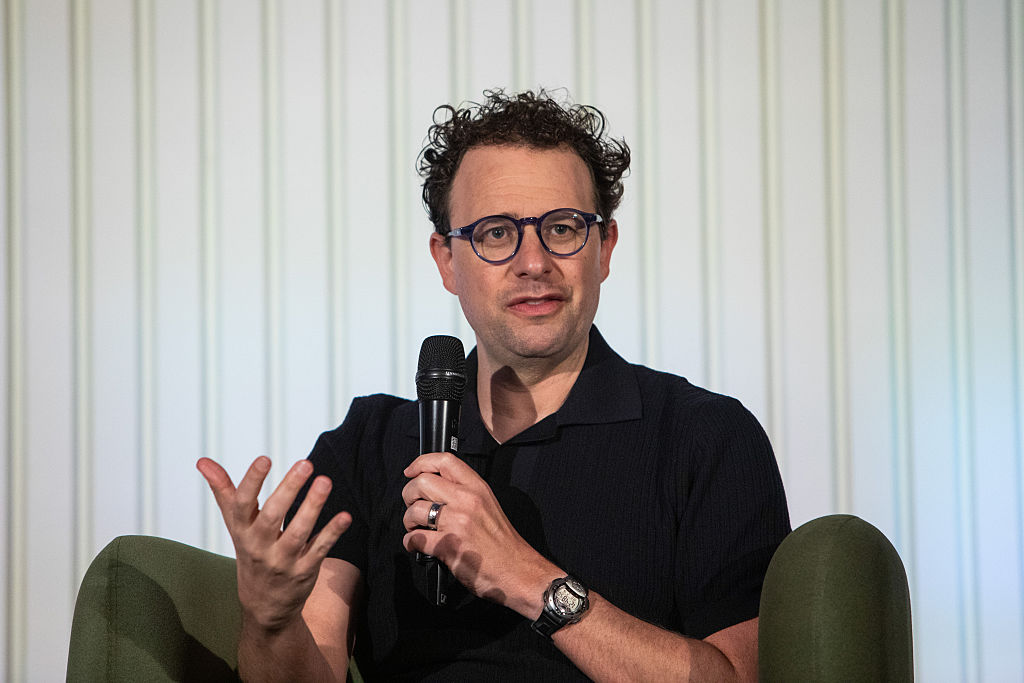
Anthropic CEO Dario Amodei Draws a Line in the Sand: No Mass Surveillance, No Autonomous Killbots
In a bold and principled move that has sent shockwaves through the tech and defense sectors, Anthropic CEO Dario Amodei has publicly rejected the Pentagon’s demand for unrestricted access to the company’s powerful AI models. In a sharply worded statement released Thursday, Amodei made it clear that while Anthropic respects the Department of Defense’s authority to make military decisions, there are hard limits to what the company is willing to enable—especially when it comes to mass surveillance of Americans and fully autonomous weapons systems without human oversight.
The statement comes just hours before a Friday 5:01 p.m. deadline set by Defense Secretary Pete Hegseth, who has threatened to either label Anthropic a “supply chain risk” (a designation typically reserved for foreign adversaries) or invoke the Defense Production Act to force compliance. The DPA, a Cold War-era law, gives the president sweeping powers to compel private companies to prioritize national defense production—essentially allowing the government to commandeer private technology for military use.
Amodei didn’t mince words about the contradiction in the Pentagon’s threats. “One labels us a security risk; the other labels Claude as essential to national security,” he wrote. “You can’t have it both ways.”
The dispute centers on two non-negotiable red lines for Anthropic:
-
Mass surveillance of American citizens – Amodei argues that AI-powered surveillance, even when wielded by the government, poses a direct threat to democratic values and civil liberties.
-
Fully autonomous weapons with no human in the loop – The company refuses to enable systems that could make life-or-death decisions without meaningful human oversight.
The Pentagon, for its part, maintains that it should have the freedom to use Anthropic’s models for “all lawful purposes” and that such decisions shouldn’t be dictated by a private company. This philosophical clash—between corporate ethics and national security imperatives—has quickly escalated into one of the most high-stakes AI policy battles in recent memory.
Anthropic is currently the only frontier AI lab with systems classified as ready for military deployment, though reports suggest Elon Musk’s xAI is rapidly preparing to fill the gap. That puts Amodei in an unusually powerful position: his company holds a near-monopoly on cutting-edge AI that meets the Pentagon’s security standards.
Despite the looming deadline and escalating threats, Amodei struck a conciliatory tone. “Our strong preference is to continue to serve the Department and our warfighters—with our two requested safeguards in place,” he said. “Should the Department choose to offboard Anthropic, we will work to enable a smooth transition to another provider, avoiding any disruption to ongoing military planning, operations, or other critical missions.”
Translation: We can just part ways. There’s no need to be nasty about it.
The standoff raises profound questions about the role of private companies in national defense, the ethical boundaries of AI, and the balance between innovation and oversight. It also highlights the growing tension between Silicon Valley’s libertarian ethos and the government’s expanding appetite for AI-powered military capabilities.
As the clock ticks toward Friday’s deadline, all eyes are on Washington and San Francisco. Will the Pentagon blink? Will Anthropic cave? Or will this become the defining moment when a tech CEO drew a line in the sand—and dared the most powerful military in the world to cross it?
One thing is certain: the future of AI in warfare—and the ethical guardrails that govern it—just got a whole lot more complicated.
Tags: Anthropic, Dario Amodei, Pentagon, AI ethics, mass surveillance, autonomous weapons, Defense Production Act, Pete Hegseth, national security, AI regulation, Silicon Valley, military AI, frontier models, xAI, Defense Department, civil liberties, AI governance, tech policy, ethical AI, AI and democracy
Viral phrases: “We can just part ways. There’s no need to be nasty about it.” — “You can’t have it both ways.” — “No mass surveillance, no autonomous killbots.” — “The future of AI in warfare just got a whole lot more complicated.” — “Silicon Valley draws a line in the sand.” — “The most high-stakes AI policy battle in recent memory.” — “A tech CEO dared the most powerful military in the world to cross it.”
,


Leave a Reply
Want to join the discussion?Feel free to contribute!