
Anthropic Declares $20 Million War On OpenAI
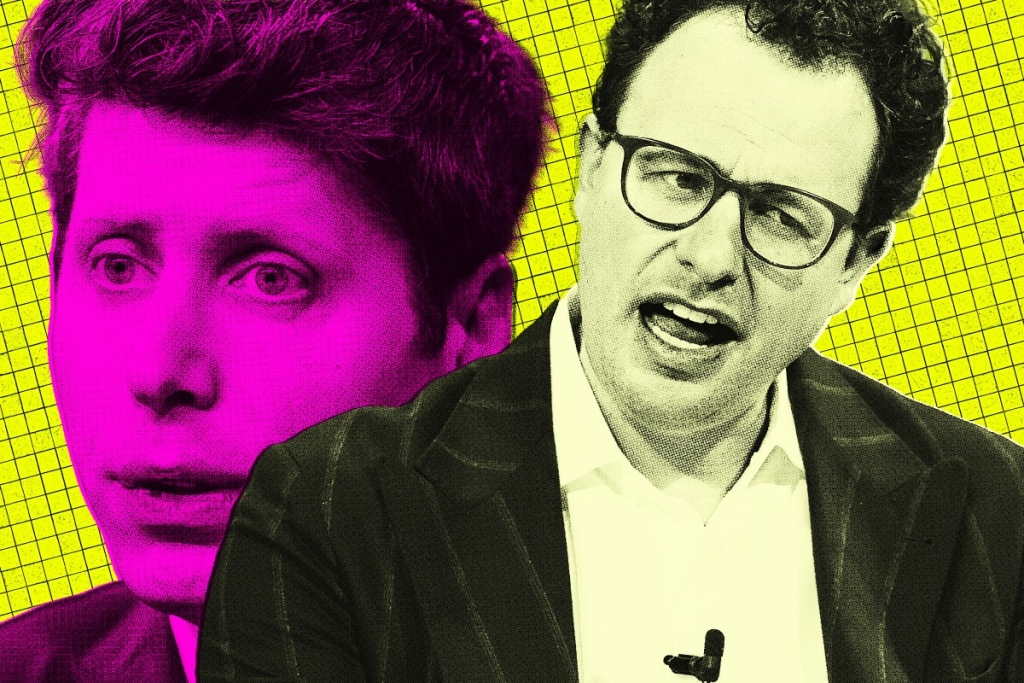
Anthropic’s $20 Million Gamble: The AI Regulation War Heats Up
In a move that has sent shockwaves through Silicon Valley and Washington D.C., Anthropic—the AI safety-focused company founded by former OpenAI defectors—has dramatically escalated its battle with OpenAI by pledging $20 million to a new super PAC aimed at countering OpenAI’s political influence. This bold maneuver marks the beginning of what industry insiders are calling “AI’s Cold War,” with billions of dollars and the future of artificial intelligence regulation hanging in the balance.
The Battle Lines Are Drawn
The conflict between these two AI titans has evolved from technical disagreements into a full-scale political war. Anthropic, led by CEO Dario Amodei, has positioned itself as the responsible alternative to OpenAI, advocating for stronger guardrails and ethical oversight of AI development. OpenAI, now backed by Microsoft and transformed into a for-profit entity, has taken a decidedly different stance, pushing for minimal regulation and maximum market freedom.
The timing couldn’t be more critical. With midterm elections approaching and AI poised to touch every aspect of public life—from healthcare and education to national security and employment—both companies are fighting to shape the regulatory landscape that will govern this transformative technology for decades to come.
Anthropic’s Strategic Play
Anthropic’s $20 million donation to Public First Action represents more than just financial support; it’s a calculated political maneuver designed to counterbalance OpenAI’s growing influence. The super PAC, operating as a “dark money” nonprofit, will support candidates who favor stricter AI regulation while opposing those aligned with OpenAI’s deregulatory agenda.
The choice of Senator Marsha Blackburn (R-TN) as a key beneficiary is particularly telling. Blackburn has been one of the most vocal critics of Big Tech’s approach to AI, consistently calling for stronger oversight and accountability measures. Her gubernatorial campaign in Tennessee has become a focal point for the AI regulation debate, with both sides pouring resources into the race.
OpenAI’s Counteroffensive
Not to be outdone, OpenAI has been building its own political machine through Leading the Future, a super PAC backed by OpenAI leadership and major investors including Andreessen Horowitz. While the group has reportedly raised over $100 million, it has only publicly disclosed half that amount, suggesting a sophisticated strategy of selective transparency.
OpenAI’s political positioning has been remarkably effective. The company has cultivated close ties with the Trump administration, with OpenAI President Greg Brockman emerging as a top donor to the president’s campaigns and initiatives. This relationship has paid dividends, with the administration consistently echoing OpenAI’s deregulatory stance on AI policy.
The Safety Debate Reignites
The rift between Anthropic and OpenAI runs deeper than mere political strategy. It reflects fundamental disagreements about the nature of AI safety and the responsibilities of AI companies to society.
Anthropic was founded on the principle that AI development requires rigorous safety protocols and ethical considerations. The company’s researchers have consistently warned about the potential dangers of unchecked AI advancement, from algorithmic bias and privacy violations to existential risks posed by artificial general intelligence.
OpenAI, by contrast, has increasingly embraced a philosophy of “move fast and break things,” arguing that excessive regulation will stifle innovation and cede the AI race to foreign competitors, particularly China. This approach has drawn criticism from safety advocates who accuse the company of prioritizing growth over responsibility.
The Altman-Amoldei Feud
At the heart of this conflict are two of the most influential figures in AI: Sam Altman of OpenAI and Dario Amodei of Anthropic. Their personal rivalry adds an extra layer of intensity to the corporate battle.
The two were once colleagues at OpenAI, but Amodei and his team left in 2021 over concerns about the company’s direction following Microsoft’s $1 billion investment. The departure was acrimonious, with both sides accusing the other of betraying AI’s founding principles.
Now, years later, their rivalry has evolved into a proxy war being fought through political donations, regulatory lobbying, and public positioning. Industry observers note that the personal animosity between Altman and Amodei has only intensified the corporate competition, creating a dynamic where each company’s moves are designed not just to advance their agenda, but to frustrate their rival’s objectives.
Regulatory Roulette
The stakes in this battle extend far beyond corporate profits. The regulatory framework that emerges from this conflict will shape how AI is developed, deployed, and governed for generations.
Anthropic’s position favors a precautionary approach, advocating for comprehensive testing requirements, transparency mandates, and strict liability standards for AI companies. They argue that without proper guardrails, AI could exacerbate inequality, erode privacy, and even pose existential risks to humanity.
OpenAI’s stance prioritizes innovation and market competition. They argue that overregulation will drive AI development underground or offshore, making it harder to ensure safety and accountability. Instead, they favor a lighter-touch approach that relies on industry self-regulation and targeted interventions only where specific harms are identified.
The Trump Factor
The involvement of the Trump administration adds another dimension to this already complex conflict. OpenAI’s close relationship with the president has given it significant advantages in shaping federal policy, including successful efforts to block state-level AI regulations that Anthropic and other safety advocates supported.
This political alignment has created an unusual dynamic where a traditionally Democratic-aligned industry is finding itself divided along partisan lines. Anthropic, despite its Silicon Valley roots, has found itself aligned with progressive Democrats and moderate Republicans who favor stronger regulation, while OpenAI has embraced a more traditionally conservative, deregulatory approach.
The Public Interest Question
Perhaps the most significant aspect of Anthropic’s announcement was its implicit criticism of OpenAI’s transformation from nonprofit to for-profit entity. “The companies building AI have a responsibility to help ensure the technology serves the public good, not just their own interests,” the statement read—a clear jab at OpenAI’s controversial restructuring.
This raises fundamental questions about the role of private companies in developing technologies that will reshape society. Should AI development be driven by market forces and corporate interests, or should it be guided by considerations of public welfare and democratic oversight?
Anthropic’s position suggests that the latter is necessary, arguing that the immense power and potential impact of AI require a more principled approach to development and deployment. OpenAI’s success in maintaining its market dominance while pursuing a deregulatory agenda suggests that many investors and policymakers are comfortable with the former approach.
The Coming Storm
As both sides prepare for the midterm elections, the intensity of this conflict is likely to increase. Industry analysts predict that the total spending on AI-related political activities could exceed $500 million by election day, making it one of the most expensive technology policy battles in history.
The outcome will have profound implications not just for the AI industry, but for the broader technology sector and society as a whole. Will we see the emergence of comprehensive AI regulation that prioritizes safety and accountability? Or will the deregulatory approach championed by OpenAI and its allies prevail, ushering in an era of rapid AI advancement with minimal oversight?
One thing is certain: the battle between Anthropic and OpenAI is no longer just about building better AI models. It’s about who gets to decide the rules for the most transformative technology of our time, and what kind of future we want to create with it.
As this high-stakes game of regulatory chess continues to unfold, the rest of us can only watch—and hope that whichever side prevails, they remember that the ultimate goal should be ensuring that AI serves humanity, not the other way around.
Tags & Viral Phrases:
- AI Cold War
- Silicon Valley Showdown
- The $20 Million Gamble
- Dario vs. Sam: The AI Feud
- Regulation Roulette
- Dark Money AI Politics
- The Safety vs. Innovation Debate
- OpenAI’s Trump Connection
- Anthropic’s Bold Move
- The Future of AI Governance
- Corporate AI Warfare
- Midterm Election AI Battle
- Who Controls AI’s Future?
- The $500 Million Tech War
- AI’s Most Important Fight
- The Altman-Amoldei Rivalry
- Silicon Valley’s Political Awakening
- The Great AI Regulation Debate
- Technology’s Most Expensive Battle
- The Battle for AI’s Soul
,


Leave a Reply
Want to join the discussion?Feel free to contribute!