
Anthropic-funded group backs candidate attacked by rival AI super PAC
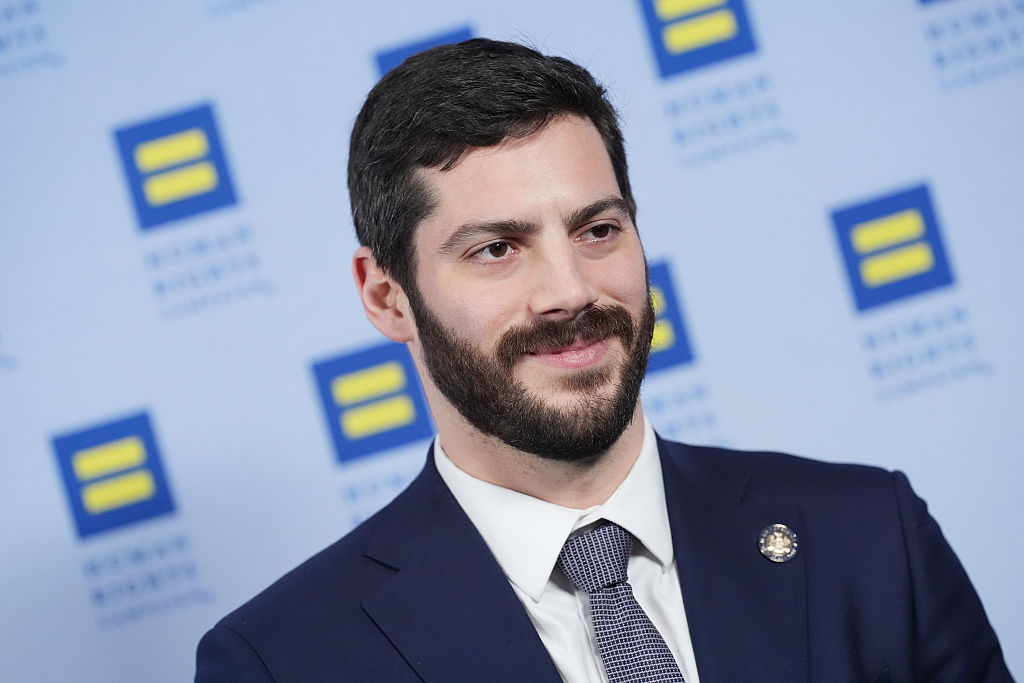
Silicon Valley’s AI Battle Comes to New York as Anthropic-Backed PAC Defends Pro-Regulation Candidate
In a dramatic escalation of the tech industry’s internal ideological war, a new political action committee backed by Anthropic has entered the fray in New York’s 12th congressional district, positioning itself as the counterweight to Silicon Valley’s libertarian-leaning AI advocates. The move represents a significant shift in how artificial intelligence companies are engaging with American politics, with billions of dollars and competing visions for AI’s future hanging in the balance.
Public First Action, the newly formed PAC that received a substantial $20 million donation from Anthropic, has announced a $450,000 advertising campaign to support Alex Bores, the New York Assembly member who has become something of a political lightning rod in the AI safety debate. The investment comes as Bores faces an onslaught of negative advertising from Leading the Future, a rival super PAC that has already spent $1.1 million attacking him.
The conflict centers on Bores’ sponsorship of New York’s RAISE Act, legislation that would require major AI developers to disclose their safety protocols and report instances of serious misuse of their systems. The bill, which was signed into law by Governor Kathy Hochul in December, represents one of the most comprehensive attempts to regulate artificial intelligence at the state level.
Leading the Future, the group attacking Bores, is funded by an impressive roster of tech industry heavyweights. Andreessen Horowitz, the venture capital firm known for its aggressive pro-technology stance, has contributed to the PAC alongside OpenAI President Greg Brockman, AI search startup Perplexity, and Palantir co-founder Joe Lonsdale. The group has amassed over $100 million in funding, making it one of the most well-resourced political entities focused specifically on AI policy.
Bores, who has positioned himself as a champion of responsible AI development, has responded to the attacks with characteristic defiance. “Bring it on,” he told reporters when asked about the multi-million dollar campaign against him. His campaign has since secured additional support from Public First Action, which is explicitly positioning itself as an advocate for what it calls “responsible AI development.”
The emergence of Public First Action represents a significant development in the AI policy landscape. While Leading the Future advocates for minimal regulation and maximum innovation, Anthropic’s PAC is pushing for a different vision—one that emphasizes transparency, safety standards, and public oversight. This philosophical divide reflects broader tensions within the tech industry about how to balance innovation with potential risks.
Anthropic, founded by former OpenAI researchers, has positioned itself as a leader in AI safety research. The company’s decision to fund political activity through Public First Action suggests a strategic shift toward more direct engagement with policymakers and electoral politics. This approach contrasts with other AI companies that have traditionally relied on traditional lobbying efforts.
The New York 12th congressional district race has become a microcosm of the larger debate about AI regulation that is playing out across the country. Bores’ support for the RAISE Act has made him a target for industry groups that view regulation as an impediment to innovation, while simultaneously making him an attractive candidate for those who believe that AI development requires careful oversight.
The financial disparity between the two PACs is notable. While Leading the Future has already spent $1.1 million on advertising against Bores, Public First Action’s $450,000 investment represents a significant commitment from Anthropic’s camp. The spending patterns suggest that both sides view this race as crucial for establishing precedent in how AI policy debates will be conducted in the future.
Political analysts note that the involvement of AI companies in congressional races marks a new phase in tech industry political engagement. Unlike previous waves of tech involvement that focused primarily on tax policy and antitrust issues, the current focus on AI safety and regulation represents a more fundamental debate about the role of technology in society.
The timing of Public First Action’s entry into the race is also significant. With midterm elections approaching and AI policy becoming an increasingly prominent issue in Washington, both sides appear to be positioning themselves for influence in the next Congress. The outcome of the New York 12th district race could serve as a bellwether for how these competing visions for AI’s future will play out in other races across the country.
Bores’ campaign has emphasized that he is not anti-AI, but rather advocates for a balanced approach that promotes innovation while addressing legitimate safety concerns. His supporters argue that the RAISE Act strikes an appropriate balance between fostering technological advancement and protecting public interests.
The battle between Public First Action and Leading the Future highlights the complex web of interests at play in AI policy debates. While both groups claim to support the development of artificial intelligence, their visions for how that development should be governed are fundamentally different. This ideological split within the tech industry itself adds another layer of complexity to an already contentious policy area.
As the campaign intensifies, both PACs are expected to increase their advertising spending, making the New York 12th district one of the most expensive and closely watched congressional races in the country. The outcome will likely have implications far beyond the district’s borders, potentially influencing how other candidates approach AI policy and how the industry engages with the political process.
The involvement of major AI companies in electoral politics also raises questions about the appropriate role of corporate interests in shaping technology policy. Critics argue that allowing companies with significant financial stakes in AI development to influence elections could skew policy outcomes in favor of industry interests rather than public welfare.
However, supporters of increased tech industry political engagement contend that companies developing cutting-edge technologies have valuable expertise that should inform policymaking. They argue that the complex technical and ethical questions surrounding AI development require input from those with deep knowledge of the field.
As the race heats up, observers are watching closely to see how the competing narratives around AI safety and innovation will resonate with voters. The outcome could provide important insights into how Americans view the trade-offs between technological progress and regulatory oversight in the age of artificial intelligence.
The battle in New York’s 12th district represents just one front in what promises to be a long-running and multifaceted debate about the future of AI. With billions of dollars in potential economic impact and profound questions about safety and ethics at stake, the political engagement of AI companies is likely to intensify in the coming years.
For now, the focus remains on Bores and his ability to weather the storm of negative advertising while maintaining his position on AI safety. His campaign’s success or failure could serve as a template for how future candidates navigate the complex intersection of technology policy and electoral politics in an era of unprecedented corporate involvement in the political process.
The coming weeks will be crucial as both PACs ramp up their efforts and voters begin to weigh the competing messages about AI’s future. Whatever the outcome, the New York 12th district race has already established itself as a pivotal moment in the ongoing debate about how to govern one of the most transformative technologies of our time.
Tags
AI #Politics #NewYork #TechIndustry #ArtificialIntelligence #CampaignFinance #Regulation #SiliconValley #Anthropic #OpenAI #VentureCapital #MidtermElections #TechPolicy #PoliticalActionCommittees #Innovation #SafetyStandards #RAISEAct #Election2024 #CorporateInfluence #TechnologyGovernance
ViralPhrases
“Bring it on” #AlexBores #AIWar #TechBattle #SiliconValleyVsSafety #AIRegulation #AnthropicEntersPolitics #20MillionDollarInvestment #LeadingTheFuturePAC #TechIndustryCivilWar #ResponsibleAI #AIAndDemocracy #CorporateMoneyInPolitics #FutureOfAI #TechVsRegulation #NewYorkAIDebate #AICompaniesInPolitics #SafetyVsInnovation #TechLobbying #AIPolicyBattle
,

Leave a Reply
Want to join the discussion?Feel free to contribute!