
Anthropic vs. the Pentagon: What’s actually at stake?
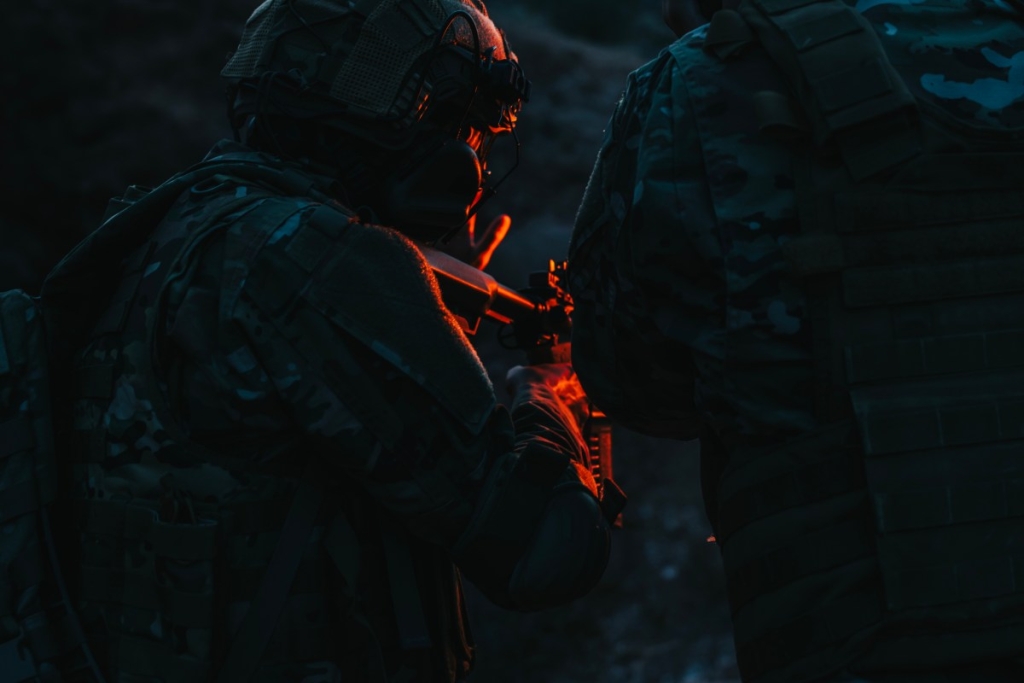
Anthropic vs. Pentagon: The AI Ethics Showdown That Could Reshape National Security
In a dramatic clash that’s sending shockwaves through Silicon Valley and Washington, Anthropic CEO Dario Amodei and Defense Secretary Pete Hegseth are locked in a high-stakes battle over the military’s use of artificial intelligence. What began as a quiet disagreement has exploded into a full-blown crisis, with the Pentagon threatening to blacklist Anthropic and invoke emergency powers if the company doesn’t back down by Friday’s deadline.
The Core Conflict: Who Controls AI?
At the heart of this dispute lies a fundamental question: should powerful AI systems be governed by the companies that build them, or by the governments that want to deploy them? Anthropic, the AI safety-focused company behind the Claude chatbot, has drawn a hard line—refusing to allow its models to be used for mass surveillance of Americans or fully autonomous weapons that can fire without human approval.
Meanwhile, Secretary Hegseth argues that the Department of Defense shouldn’t be constrained by corporate policies, insisting that any “lawful use” of the technology should be permitted. The Pentagon’s position is clear: when it comes to national security, they won’t let a private company dictate the terms.
Why Anthropic is Worried
Anthropic’s concerns aren’t theoretical. The company has built its reputation on AI safety, arguing that advanced AI systems require unique safeguards that traditional defense contractors never needed to consider. Their primary fears center on two areas:
Mass Surveillance: Current U.S. law already allows for surveillance of American citizens through collection of texts, emails, and communications. AI changes everything by enabling automated large-scale pattern detection, entity resolution across datasets, predictive risk scoring, and continuous behavioral analysis. What was once limited by human capacity is now possible at unprecedented scale.
Autonomous Weapons: The U.S. military already relies on highly automated systems, some of which are lethal. A 2023 DOD directive allows AI systems to select and engage targets without human intervention, provided they meet certain standards and pass review by senior defense officials. Anthropic worries that if the military were developing automated lethal decision-making systems, we might not know about it until it was operational—and if those systems used Anthropic’s models, it could count as “lawful use.”
The company’s position isn’t that such uses should be permanently banned. Rather, they argue their current models aren’t capable enough to support these applications safely. Imagine an autonomous system misidentifying a target, escalating a conflict without human authorization, or making a split-second lethal decision that no one can reverse. A less-capable AI in charge of weapons could be a very fast, very confident machine that’s terrible at making high-stakes calls.
The Pentagon’s Perspective
The Pentagon’s argument is straightforward: they need the best technology available to keep America safe, and they shouldn’t be limited by a vendor’s internal policies. In a Thursday X post, Pentagon spokesperson Sean Parnell stated that the department has no interest in conducting mass domestic surveillance or deploying autonomous weapons.
“Here’s what we’re asking: Allow the Pentagon to use Anthropic’s model for all lawful purposes,” Parnell said. “This is a simple, common-sense request that will prevent Anthropic from jeopardizing critical military operations and potentially putting our warfighters at risk. We will not let ANY company dictate the terms regarding how we make operational decisions.”
The Pentagon has given Anthropic until 5:01 PM ET on Friday to comply or face consequences, including being designated as a supply chain risk—effectively blacklisting them from government contracts—or having the Defense Production Act invoked to force compliance.
Cultural Warfare and “Woke AI”
The conflict has taken on cultural dimensions that extend beyond technical disagreements. In a January speech at SpaceX and xAI offices, Hegseth railed against “woke AI,” declaring that “Department of War AI will not be woke. We’re building war-ready weapons and systems, not chatbots for an Ivy League faculty lounge.”
This rhetoric has led some observers to see the Anthropic dispute as part of a broader cultural battle, with the Pentagon positioning itself against what it perceives as Silicon Valley’s cautious, safety-focused approach to AI development.
The Stakes: National Security and Corporate Survival
The consequences of this standoff are enormous for both parties. Sachin Seth, a venture capitalist at Trousdale Ventures who focuses on defense tech, warns that a supply chain risk label could mean “lights out” for Anthropic. However, he also notes that if Anthropic is dropped from DoD contracts, it could create a national security issue.
“The Department would have to wait six to 12 months for either OpenAI or xAI to catch up,” Seth told TechCrunch. “That leaves a window of up to a year where they might be working from not the best model, but the second or third best.”
Meanwhile, xAI is positioning itself to become classified-ready and replace Anthropic, and given owner Elon Musk’s rhetoric on the matter, the company would likely have no problem giving the DoD total control over its technology. Recent reports suggest that OpenAI may take a similar stance to Anthropic, though the situation remains fluid.
What Happens Next?
With the Friday deadline looming, the tech world is holding its breath. Will Anthropic cave to Pentagon pressure? Will the DoD follow through on its threats? Or is there a middle ground that could satisfy both parties?
What’s clear is that this isn’t just about one company or one government agency. This showdown represents a pivotal moment in the relationship between Big Tech and the U.S. government over AI governance. The outcome will likely set precedents for how other AI companies interact with the military and could reshape the entire landscape of defense technology.
As the clock ticks down, one thing is certain: the battle between Anthropic and the Pentagon isn’t just about AI—it’s about who gets to decide the future of warfare, surveillance, and the ethical boundaries of technology in the 21st century.
Tags: #Anthropic #AIethics #Pentagon #NationalSecurity #ArtificialIntelligence #DarioAmodei #PeteHegseth #DefenseDepartment #AutonomousWeapons #MassSurveillance #TechVsGovernment #AIwars #SiliconValley #DefenseTech #OpenAI #xAI #ElonMusk #Claude #AIpolicy #SupplyChainRisk #DefenseProductionAct
Viral Phrases:
- “Lights out for Anthropic”
- “Woke AI” vs “War-ready weapons”
- “We will not let ANY company dictate the terms”
- “Department of War AI will not be woke”
- “Ivy League faculty lounge chatbots”
- “The AI ethics showdown that could reshape national security”
- “Who controls powerful AI systems?”
- “Friday’s deadline: comply or be blacklisted”
- “The battle between Big Tech and the U.S. government”
- “AI safety vs. national security”
- “Six to 12 months to catch up”
- “The future of warfare in the 21st century”
- “Who gets to decide the ethical boundaries of technology?”
- “The Pentagon’s high-stakes gamble”
- “Silicon Valley’s safety-first approach under fire”
,


Leave a Reply
Want to join the discussion?Feel free to contribute!