
Ants capture carbon dioxide from the air and turn it into armour
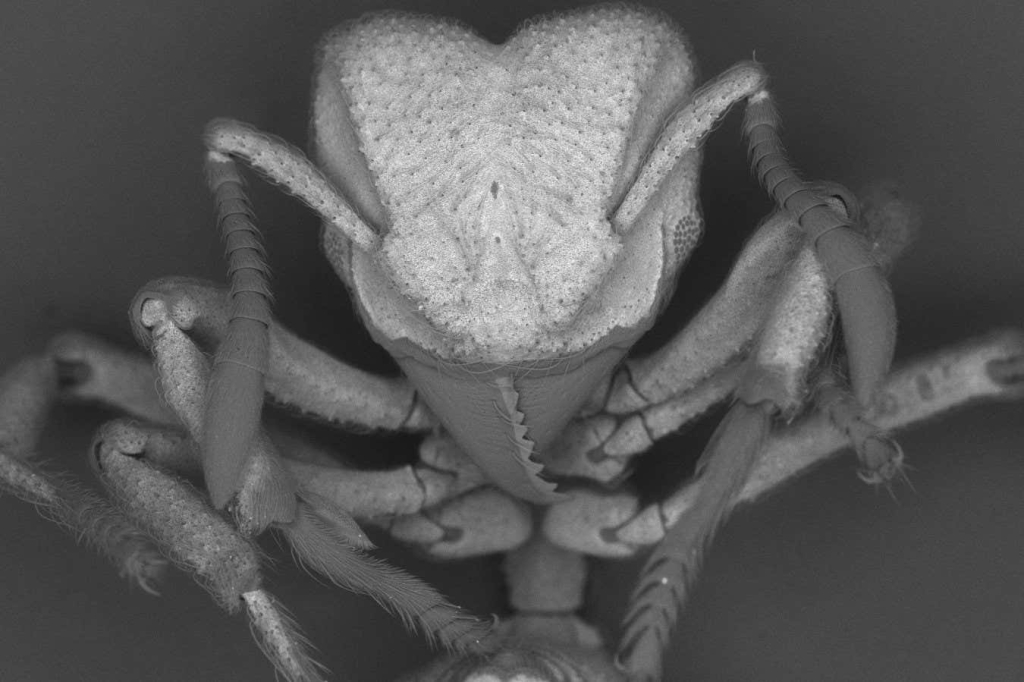
In a stunning twist of natural engineering, scientists have uncovered that certain fungus-farming ants have evolved the extraordinary ability to convert atmospheric carbon dioxide into solid dolomite—a mineral so notoriously difficult to synthesize in laboratories that it has puzzled chemists for over a century. This groundbreaking discovery, detailed in a recent study, reveals that these tiny insects are not only fortifying their exoskeletons with this rare mineral but are also inadvertently performing a form of carbon sequestration that could inspire new climate change mitigation strategies.
The ants in question, Acromyrmex echinatior and Sericomyrmex amabilis, thrive in the dense, humid environments of their underground fungal gardens. These gardens, while essential for the ants’ survival, create a unique challenge: the high density of ants and fungi leads to elevated levels of carbon dioxide within the nests. To combat this, the ants have evolved a remarkable solution—transforming CO2 into dolomite, a calcium-magnesium carbonate mineral.
What makes this discovery even more astonishing is the method by which the ants achieve this feat. In the case of Acromyrmex echinatior, the process is facilitated by a symbiotic relationship with Pseudonocardia bacteria, which catalyze the conversion of CO2 into rock. However, the real surprise came when researchers found that Sericomyrmex amabilis can perform the same transformation independently, without the aid of bacteria. This makes it the first known animal to have evolved this ability, a testament to the ingenuity of natural selection.
Dolomite, the mineral produced by these ants, is notoriously difficult to create in laboratory settings. Its formation requires millions of years and complex geological processes, as the magnesium atoms must align perfectly within the calcium carbonate structure. Yet, these ants accomplish this task quickly and effortlessly, without the need for high temperatures or pressures. “It’s a remarkable adaptation,” says Cody Freas of the University of Toulouse, France, who was not involved in the study. “These ants are essentially living carbon scrubbers, converting atmospheric CO2 into a protective mineral armor.”
The implications of this discovery extend far beyond the insect world. As scientists grapple with the urgent need to reduce atmospheric CO2 levels and combat global warming, the ants’ natural carbon sequestration process offers a tantalizing model for human efforts. “These ants are the first animal shown to be engaging in such a process, offering exciting potential as a model for human efforts,” says Cameron Currie of the University of Wisconsin-Madison, who led the research.
The ants’ ability to turn CO2 into dolomite serves a dual purpose: it strengthens their exoskeletons, providing protection against predators and environmental stressors, and it prevents the buildup of toxic CO2 within their nests. This dual solution is a prime example of how evolution can produce elegant, multifunctional adaptations.
The next phase of research will focus on unraveling the precise mechanisms by which these ants achieve this remarkable feat. Understanding the biochemical pathways involved could pave the way for innovative approaches to carbon capture and storage, potentially revolutionizing our efforts to mitigate climate change.
As we face the daunting challenge of reducing greenhouse gas emissions and stabilizing the Earth’s climate, nature often provides the most unexpected and inspiring solutions. The humble fungus-farming ant, with its ability to turn carbon dioxide into stone, is a powerful reminder of the ingenuity of life on Earth—and a beacon of hope for a sustainable future.
Tags & Viral Phrases:
- Fungus-farming ants
- Carbon sequestration
- Dolomite formation
- Natural carbon scrubbers
- Climate change solutions
- Symbiotic bacteria
- Evolutionary adaptations
- Greenhouse gas mitigation
- Bioengineered defenses
- Living carbon capture
- Ant exoskeleton fortification
- Atmospheric CO2 conversion
- Geological processes in nature
- Sustainable climate strategies
- Microbial symbiosis
- Environmental engineering
- Nature’s carbon warriors
- Innovative climate science
- Tiny insects, big impact
- Earth’s natural carbon sinks
,

Leave a Reply
Want to join the discussion?Feel free to contribute!