
AnTuTu reveals the best performing Android smartphones and tablets in January
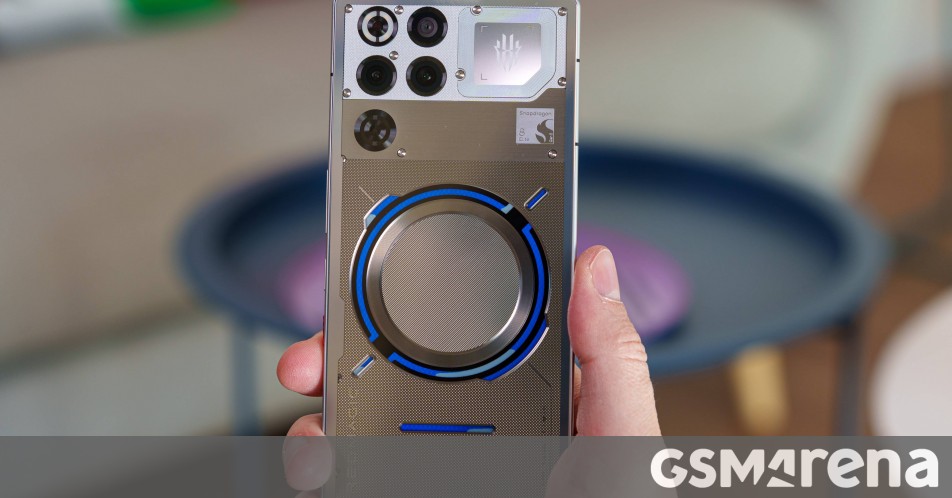
AnTuTu January Rankings: RedMagic 11 Pro+ Dominates, iQOO 15 Ultra Poised to Take the Crown
The smartphone performance wars have reached a fever pitch, and January’s AnTuTu benchmark rankings reveal the current pecking order in China’s fiercely competitive mobile market. The data, compiled from thousands of benchmark runs throughout January, offers a fascinating snapshot of where mobile processing power currently stands—and where it’s headed next.
Flagship Domination: Snapdragon 8 Elite Rules the Roost
ZTE’s gaming-focused RedMagic 11 Pro+ continues its reign at the top of the flagship smartphone hierarchy, posting an impressive average AnTuTu v11 score of 4,104,271. This gaming powerhouse has managed to maintain its position despite mounting pressure from competitors, thanks to its cutting-edge Snapdragon 8 Elite Gen 5 chipset and sophisticated cooling system that keeps performance consistent during extended gaming sessions.
However, the throne appears increasingly precarious. The imminent launch of vivo’s iQOO 15 Ultra threatens to disrupt the current order. Industry insiders suggest this beast of a device could easily surpass the RedMagic’s score when February’s rankings drop, potentially setting new performance benchmarks for the Android ecosystem.
The runner-up position belongs to vivo’s X300 Pro Satellite Communication Edition, a device that combines flagship performance with innovative satellite connectivity features. This unique selling point hasn’t hindered its raw processing capabilities, proving that specialized features and top-tier performance can coexist harmoniously.
Realme’s GT 8 Pro claims the third spot, followed closely by the iQOO 15, Honor Magic8 Pro, and Honor Win. The top ten is overwhelmingly dominated by Qualcomm’s Snapdragon 8 Elite Gen 5 silicon, with eight of the ten positions occupied by devices powered by this flagship chipset. Only the Honor Magic8 and Redmi K90 Pro Max break this monopoly, utilizing MediaTek’s formidable Dimensity 9500.
This Snapdragon dominance underscores Qualcomm’s continued leadership in the premium smartphone segment, though MediaTek’s presence in the top tier signals intensifying competition at the highest performance levels.
Mid-Range Mayhem: Dimensity 8500 Takes Center Stage
The mid-range battlefield tells a different story, with MediaTek’s Dimensity 8 series chipsets asserting complete dominance. Honor’s Power 2 leads this category with an average score of 2,218,856, powered by the latest Dimensity 8500 processor.
What’s particularly interesting is the composition of the top seven devices—all featuring various iterations of MediaTek’s Dimensity 8 series. The new Dimensity 8500 in the Honor Power 2 naturally claims the top spot, but the gap between it and the Dimensity 8400 in second place appears relatively modest. This suggests diminishing returns as MediaTek refines its mid-range offerings, though the jump from the 8300 to the 8400 represented a more significant performance leap.
Qualcomm finds itself playing catch-up in this segment, with Snapdragon-powered devices occupying only the bottom three positions in the mid-range rankings. This represents a notable shift in the competitive landscape, as MediaTek has successfully positioned its Dimensity 8 series as the go-to choice for performance-oriented mid-range devices.
The mid-range chart features familiar names like Oppo’s Reno15 series, iQOO’s Z10 Turbo, Redmi’s Turbo 4, and various other devices that balance performance with affordability—a sweet spot that continues to drive smartphone sales across China and beyond.
Tablet Territory: Honor MagicPad3 Pro Reigns Supreme
In the tablet category, Honor’s MagicPad3 Pro 13.3 maintains its solitary dominance at the top. This isn’t particularly surprising given it remains the only tablet currently powered by Qualcomm’s Snapdragon 8 Elite Gen 5 chipset—a distinction that translates directly into benchmark supremacy.
The gap between the MagicPad3 Pro and second-place finisher Oppo Pad 4 Pro is substantial, highlighting the performance advantages of Qualcomm’s latest mobile platform. However, the competition tightens considerably from second through tenth place, with scores clustering within a roughly 400,000-point range.
Intel makes an unexpected appearance in third place through the H3C MegaBook, which utilizes the Core Ultra 5 228V processor. This demonstrates that traditional x86 architecture still holds relevance in the tablet space, particularly for productivity-focused devices.
The tablet rankings also feature the OnePlus Pad 2 Pro, Lenovo’s Legion Y700 (Gen 4), ZTE’s RedMagic Astra (known as Tablet 3 Pro in China), Xiaomi Pad 8 Pro, iQOO Pad5 Pro, and Redmi K Pad. This diverse lineup showcases the varying approaches manufacturers take in the tablet market, from gaming-focused devices to general productivity tablets.
Looking Ahead: The iQOO 15 Ultra Wildcard
The most intriguing storyline emerging from these rankings is undoubtedly the impending arrival of the iQOO 15 Ultra. Multiple leaks and official teasers suggest this device could redefine flagship performance standards. With rumors pointing to enhanced cooling solutions, potentially higher clock speeds, and optimizations that push the Snapdragon 8 Elite Gen 5 to its limits, the iQOO 15 Ultra represents a genuine threat to the RedMagic 11 Pro+’s supremacy.
The timing is particularly interesting, as it comes during what’s traditionally a quieter period for flagship launches. This strategic positioning could allow iQOO to capture maximum attention and establish early performance dominance for 2025.
Market Implications and Semiconductor Dynamics
These rankings reveal broader trends in the mobile semiconductor industry. Qualcomm’s stronghold on the flagship segment remains unchallenged for now, but MediaTek’s aggressive push in the mid-range demonstrates the Taiwanese chip designer’s growing capabilities and market share ambitions.
The performance differentials between successive chipset generations appear to be narrowing, suggesting the mobile industry may be approaching technical ceilings that require architectural innovations rather than incremental improvements. This could explain why manufacturers are increasingly focusing on specialized features—like satellite communication, advanced cooling systems, and AI capabilities—to differentiate their offerings.
For consumers, these rankings provide valuable guidance when navigating the complex smartphone market. Performance enthusiasts will gravitate toward Snapdragon 8 Elite devices, while those seeking the best performance-to-price ratio might find MediaTek’s Dimensity 8 series offerings more appealing.
As February unfolds and the iQOO 15 Ultra enters the fray, the mobile performance landscape promises to become even more dynamic and competitive.
Tags: #AnTuTu #SmartphoneBenchmark #FlagshipPerformance #Snapdragon8Elite #Dimensity8500 #RedMagic11ProPlus #iQOO15Ultra #MobileGaming #TechNews #AndroidPerformance #HonorMagicPad3Pro #QualcommVsMediaTek #MobileTechnology #BenchmarkRanking #TechTrends
Viral Sentences: “RedMagic 11 Pro+ still king, but for how long?” “iQOO 15 Ultra ready to shatter records!” “MediaTek dominates mid-range like never before!” “Tablet wars heating up with Intel’s surprise entry!” “Snapdragon 8 Elite proves why it’s the flagship champ!” “The performance gap is shrinking—innovation is evolving!” “Gaming phones vs productivity tablets: the ultimate showdown!” “China’s mobile market reveals global tech trends!” “Benchmark battles decide the real mobile champions!” “Performance obsession reaches new heights in 2025!”
,
Leave a Reply
Want to join the discussion?Feel free to contribute!