
Apple apparently has two new Studio Display models lined up for launch
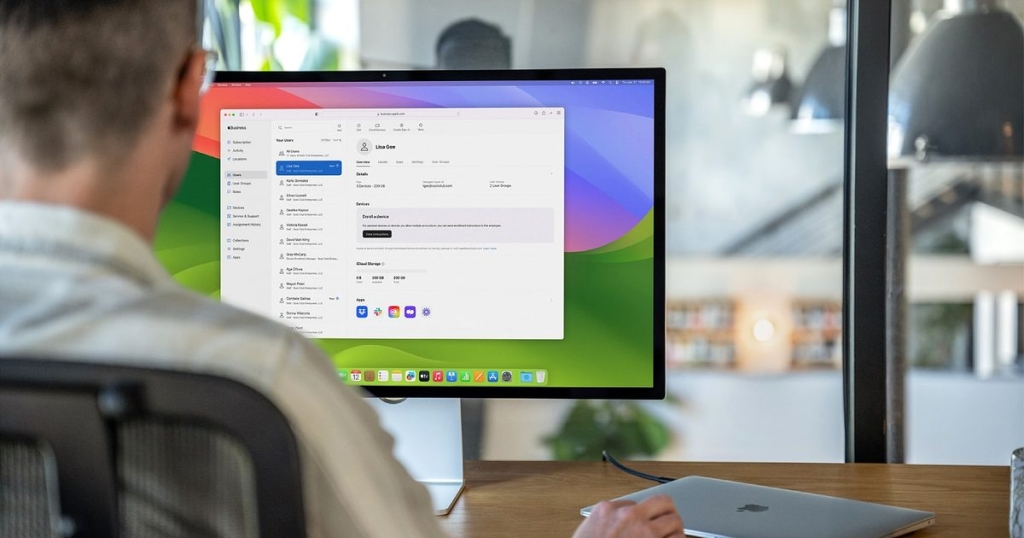
Apple’s March 4 Event: Dual Studio Display 2 Models Hinted in macOS 26.3, Setting Stage for Massive Product Launch
Apple’s highly anticipated March 4, 2026 media event is shaping up to be one of the most significant product launches in recent memory, with fresh evidence suggesting the tech giant is preparing not one, but two versions of its next-generation Studio Display 2.
macOS 26.3 Leak Reveals Apple’s Dual Display Strategy
In a discovery that has sent ripples through the Apple community, Macworld researchers have uncovered kernel extensions in the public beta of macOS 26.3 that point to two distinct Studio Display 2 models. The alphanumeric codenames “J427” and “J527” appear alongside references to Apple’s upcoming affordable 12.9-inch MacBook (codenamed “J700”), suggesting these displays are on track for a simultaneous launch.
This dual-model approach represents a significant strategic shift for Apple’s external display lineup, potentially offering consumers more choices and price points than ever before.
The Current Studio Display Landscape
Apple’s existing Studio Display, launched in March 2022, features a 27-inch 5K Retina panel with 5120 x 2880 resolution, 600 nits brightness, and a 60Hz refresh rate. The display has been praised for its color accuracy and build quality but criticized for its premium price point and relatively modest specifications compared to competitors.
Two Models: Size Differentiation or Feature Segmentation?
Industry analysts are divided on how Apple might differentiate between the two Studio Display 2 models. The most straightforward approach would involve screen size variation, with one model maintaining the familiar 27-inch form factor while the other could expand to 32 inches or contract to 24 inches to capture different market segments.
However, a more compelling possibility involves feature-based differentiation. Apple could position one model as a premium offering with cutting-edge specifications while maintaining a more affordable option with modest upgrades.
Premium Model: The 120Hz Mini-LED Powerhouse
The higher-end Studio Display 2 is rumored to receive substantial upgrades that would position it as a serious competitor to professional-grade monitors:
120Hz ProMotion Display: The jump from 60Hz to 120Hz would dramatically improve motion clarity and provide smoother scrolling experiences, particularly beneficial for creative professionals working with video and animation.
Mini-LED Backlighting: This technology would enable superior brightness levels (potentially exceeding 1000 nits), enhanced contrast ratios with deeper blacks, and improved HDR performance. Mini-LED’s local dimming capabilities would also reduce backlight bleed and improve overall image quality.
A19 Chip Integration: The inclusion of Apple’s A19 processor, currently found in the iPhone 17, would enable advanced computational photography features, improved Siri responsiveness, and enhanced Center Stage tracking for video calls.
Expanded Connectivity: Rumors suggest Thunderbolt 5 support, offering significantly faster data transfer speeds and the ability to daisy-chain multiple high-resolution displays.
Affordable Model: Evolutionary Improvements
The second Studio Display 2 model is expected to retain the current 27-inch 5K panel while receiving more modest upgrades:
A16 Chip: A slightly older but still capable processor that would maintain performance while helping to keep costs down.
60Hz Refresh Rate: Maintaining the current standard would satisfy most users while avoiding the premium associated with ProMotion technology.
Enhanced Camera System: Improvements to the 12MP Ultra Wide camera with Center Stage could include better low-light performance and improved subject tracking.
Market Positioning and Pricing Strategy
Apple’s dual-model approach appears designed to capture both ends of the external display market. The premium model would compete directly with high-end offerings from Dell, LG, and Samsung, while the more affordable version would target creative professionals and power users seeking Apple ecosystem integration without breaking the bank.
Industry analysts predict the premium Studio Display 2 could start at $1,999, while the standard model might begin at $1,299—representing modest increases over the current $1,599 Studio Display but justified by the significant specification upgrades.
Ecosystem Integration and Software Features
Both models are expected to leverage Apple’s tight hardware-software integration, with features like:
Handoff Continuity: Seamless transition between Mac, iPad, and iPhone workflows.
Spatial Audio Enhancement: Improved audio processing for better virtual meeting experiences.
Smart HDR Processing: Advanced tone mapping and color grading capabilities for content creators.
Universal Control Expansion: Enhanced cross-device cursor and keyboard sharing capabilities.
Timing and Launch Expectations
The March 4 event timing aligns perfectly with Apple’s historical product launch patterns, typically occurring during the first quarter when the company aims to generate momentum for the fiscal year. The simultaneous launch of multiple product categories—including new MacBooks, iPhone 17e, and potentially updated iPad models—suggests Apple is preparing a comprehensive ecosystem refresh.
Competitive Landscape Analysis
Apple’s dual Studio Display strategy comes at a crucial time when competitors are intensifying their monitor offerings. Dell’s UltraSharp series, LG’s UltraFine displays, and Samsung’s Odyssey monitors have all gained market share by offering competitive specifications at various price points.
By offering two distinct models, Apple can better compete across multiple segments while maintaining its premium brand positioning and ecosystem lock-in advantages.
Environmental and Sustainability Considerations
Apple has emphasized its commitment to environmental responsibility, and the new Studio Display models are expected to incorporate:
Recycled Materials: Increased use of recycled aluminum, rare earth elements, and plastics.
Energy Efficiency: Improved power management and potential solar charging capabilities for integrated accessories.
Longevity Focus: Design for extended product lifecycles with modular component upgrades.
Developer and Professional Community Response
Early reactions from the developer and creative professional communities have been largely positive, with many expressing excitement about the potential for a true Pro Display XDR alternative at a more accessible price point.
However, some concerns remain about Apple’s historical approach to repairability and the potential for proprietary features that could limit cross-platform compatibility.
Supply Chain and Manufacturing Implications
The dual-model strategy suggests Apple is confident in its supply chain capabilities, particularly regarding mini-LED panel production. This confidence comes after previous challenges with iPad Pro mini-LED availability and indicates improved manufacturing partnerships and processes.
Tags:
AppleMarch2026 #StudioDisplay2 #macOS263 #AppleEvent #ProDisplay #MiniLED #120Hz #AppleEcosystem #MacRumors #TechLeaks #ProductLaunch #DisplayTechnology
Viral Phrases:
“Double the displays, double the excitement” “Apple’s display dominance strategy revealed” “Two screens are better than one” “The Studio Display renaissance is coming” “Apple’s answer to professional monitor demand” “March 4th: The day Apple changes everything” “From 60Hz to 120Hz: The refresh revolution” “Mini-LED magic coming to your desktop” “A19 chip brings iPhone power to your monitor” “Apple’s ecosystem expansion accelerates”
,

Leave a Reply
Want to join the discussion?Feel free to contribute!