
Apple Changes How You Order a Mac
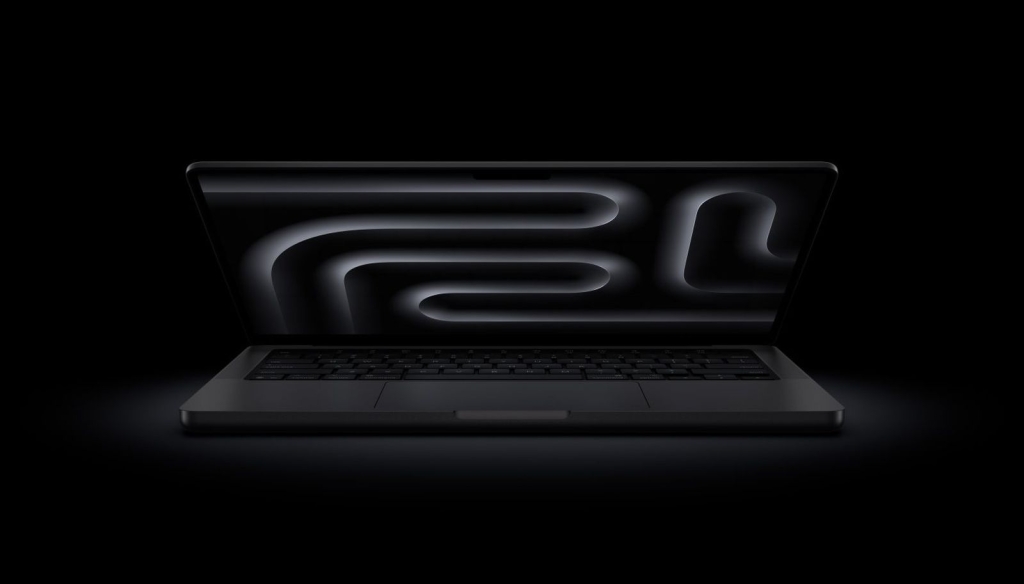
Apple Completely Overhauls Mac Buying Experience: From Pre-Configured to Fully Customizable
In a move that’s sending shockwaves through the tech community, Apple has dramatically transformed how customers purchase Macs, eliminating pre-configured options in favor of a fully customizable, à la carte ordering system. This significant shift marks a departure from Apple’s traditional approach and aligns Mac purchasing more closely with the iPad experience.
The Game-Changing Update
Previously, Apple offered several standard configurations for each Mac model, allowing customers to select a base model and then upgrade specific components like RAM or storage. Now, that familiar process has been completely reimagined. When you visit Apple’s online store to purchase any Mac—whether it’s the sleek MacBook Air, the powerful MacBook Pro, the elegant iMac, the compact Mac mini, the versatile Mac Studio, or the formidable Mac Pro—you’ll encounter a brand-new interface that requires building your machine from the ground up.
This transformation was first spotted by tech journalists at Macworld and the French blog Consomac, with the news quickly spreading across tech communities like Reddit, where users have been actively discussing the implications of this change.
How the New System Works
Let’s walk through the new purchasing experience using the MacBook Pro as our example. When you land on the MacBook Pro ordering page, the process begins with fundamental choices:
First, you select your display size—14-inch or 16-inch—followed by your preferred color. Next comes the option to upgrade to a nano-texture display, Apple’s premium anti-reflective coating favored by creative professionals working in bright environments.
The customization then dives deep into the silicon itself. You’ll choose from the available M-series chips and core configurations specific to your selected MacBook Pro size. This granular approach means you’re not just picking “Pro” or “Max”—you’re selecting the exact chip configuration that matches your performance needs.
From there, you fine-tune your machine by selecting RAM capacity and SSD storage options. You’ll also choose your power adapter type and keyboard language—details that were previously predetermined in standard configurations.
Why This Matters
This shift represents more than just a cosmetic interface change—it fundamentally alters how customers interact with Apple’s product lineup. The new system offers unprecedented flexibility, allowing users to create machines that precisely match their requirements without paying for unwanted features.
However, this freedom comes with complexity. The previous system’s simplicity—choose a configuration, maybe upgrade one or two components—has been replaced by a more involved decision-making process. Customers now need to understand the implications of each choice, from chip configurations to memory options, potentially making the purchasing process more daunting for less tech-savvy buyers.
The Missing Piece: M5 Pro and M5 Max
Despite this comprehensive overhaul, there’s one notable absence: the MacBook Pro still cannot be configured with the M5 Pro or M5 Max chips. As reported earlier this week, the tech community continues to await new MacBook Pro models featuring these next-generation processors. This gap leaves power users in a holding pattern, potentially dampening enthusiasm for the new purchasing system until the full range of Apple’s silicon lineup becomes available.
Industry Implications
This change aligns Apple more closely with PC manufacturers who have long offered highly customizable configurations. It suggests Apple is responding to a more knowledgeable customer base that demands precise control over their hardware specifications.
The timing is interesting, coming amid rising component costs in the tech industry. By allowing customers to configure exactly what they need, Apple may be better positioned to manage component costs and inventory, potentially passing savings to customers who opt for more modest configurations.
What’s Next?
As users adapt to this new purchasing paradigm, questions remain about how this will affect Apple’s retail strategy, customer support, and even product development cycles. Will we see more frequent chip updates now that the ordering system can accommodate a wider range of configurations? How will Apple’s retail staff adapt to explaining these more complex choices to walk-in customers?
One thing is certain: the Mac buying experience will never be the same. Whether this change represents progress or complication depends largely on the individual user, but it undeniably marks a new chapter in Apple’s approach to personal computing.
Tags & Viral Phrases: Apple Store Redesign, Mac Customization, Build Your Own Mac, Apple Silicon Choices, MacBook Pro Configurator, M-Series Chip Selection, Tech Industry Evolution, Apple Purchasing Experience, Mac Buying Guide, Silicon Configuration Options, Apple Hardware Strategy, Personalized Computing, Tech Shopping Revolution, Apple Ecosystem Changes, Component Selection Freedom, Professional Mac Configuration, Apple Product Development, Tech Community Reaction, Hardware Customization Trend, Apple Silicon Lineup, Future of Mac Purchasing, Tech Industry Innovation, Apple Retail Transformation, Digital Product Configuration, Mac User Experience, Technology Shopping Evolution
,


Leave a Reply
Want to join the discussion?Feel free to contribute!