
Apple Discontinues Pro Display XDR and $999 Stand
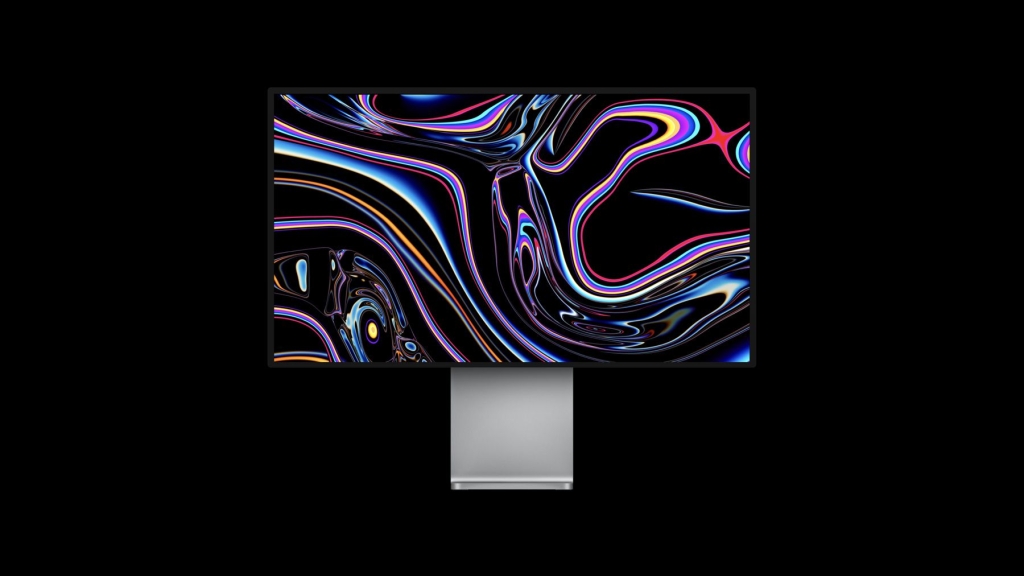
Apple Pulls the Plug on Pro Display XDR as Studio Display XDR Takes Center Stage
In a move that has sent shockwaves through the creative and tech communities, Apple has officially discontinued its Pro Display XDR, just hours after unveiling its successor: the all-new Studio Display XDR. This marks the end of an era for one of Apple’s most ambitious—and controversial—hardware projects.
First introduced in December 2019 alongside the redesigned Mac Pro, the 32-inch Pro Display XDR was Apple’s bold re-entry into the premium external monitor market. It had been a three-year hiatus since the company discontinued the Thunderbolt Display in 2016, and the Pro Display XDR was meant to signal Apple’s renewed commitment to high-end creative workflows.
But from the very beginning, the Pro Display XDR courted controversy—most notably for its $999 Pro Stand, sold separately from the $4,999 display. Apple positioned the stand as a precision-engineered accessory with full height, tilt, and rotation adjustments, capable of supporting both landscape and portrait orientations. Yet, the pricing struck many as excessive, and the stand quickly became a meme in the tech world. Even Apple executives had to defend the cost in multiple interviews, arguing that the engineering justified the premium.
Despite the initial backlash, the Pro Display XDR found its audience. Photographers, video editors, and colorists praised its 6K resolution, extreme dynamic range, and exceptional color accuracy. It wasn’t just a monitor—it was a statement piece for creative professionals who demanded nothing but the best.
Now, Apple is ready to move on. The new Studio Display XDR, at 27 inches and 5K resolution, is smaller and more affordable, starting at $3,299 (compared to the Pro Display XDR’s $4,999 base price). But don’t let the lower price tag fool you—this is no budget display. It comes equipped with mini-LED backlighting, up to 2,000 nits of peak HDR brightness, and an adaptive refresh rate that can ramp up to 120Hz. It also introduces Thunderbolt 5 connectivity with up to 140W of charging power and a suite of high-speed ports, making it a versatile hub for modern creative setups.
Compared to its predecessor, the Studio Display XDR sacrifices some screen real estate but gains modern panel technology, faster refresh rates, and significantly improved connectivity. It’s a strategic pivot: Apple is clearly aiming to make XDR-grade performance more accessible without diluting the premium experience.
Pre-orders for the Studio Display XDR begin March 4, with availability starting March 11. Customers can choose between standard glass ($3,299) and nano-texture glass ($3,599), the latter designed to reduce glare in bright environments.
The discontinuation of the Pro Display XDR raises questions about Apple’s future in the ultra-premium monitor space. Will there be a true “Pro Display XDR 2” down the line, or is the Studio Display XDR the new flagship? For now, Apple seems content to straddle the line between pro-grade performance and broader accessibility.
One thing is certain: the display market just got a lot more interesting. Whether you’re a creative professional, a tech enthusiast, or just someone who appreciates cutting-edge design, Apple’s latest move is impossible to ignore.
Tags & Viral Phrases:
Apple kills Pro Display XDR
Studio Display XDR replaces Pro Display XDR
Apple’s $999 monitor stand controversy
Pro Display XDR discontinued
Apple’s new 27-inch 5K Studio Display XDR
mini-LED, 2000 nits, Thunderbolt 5
Apple exits pro monitor market?
Is the Studio Display XDR worth it?
Apple’s bold move in displays
The end of an era for Pro Display XDR
Apple’s display strategy shift
Pro Display XDR vs Studio Display XDR
Apple’s most controversial product ever
The $999 stand that broke the internet
Apple’s display game just changed
,

Leave a Reply
Want to join the discussion?Feel free to contribute!