
Apple has its problems, but still the only real choice for privacy
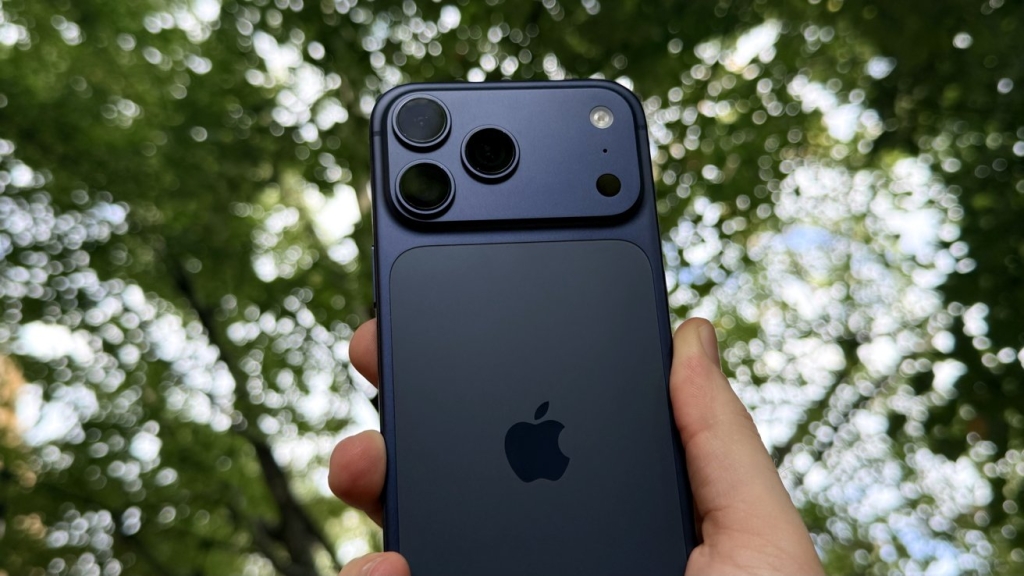
Apple’s Privacy Pivot: From Latecomer to Last Line of Defense in a Data-Driven World
In the ever-evolving landscape of consumer technology, few narratives have been as transformative as Apple’s journey toward becoming the world’s most privacy-focused tech giant. What began as a company whose business model didn’t fundamentally depend on user data has evolved into the sole major player offering genuine privacy by default—a position that has become increasingly vital in our current political and technological climate.
The Privacy Awakening: More Than a Decade in the Making
Apple’s commitment to user privacy didn’t emerge overnight. The seeds were planted with the iPhone 5s in 2013, when Apple introduced Touch ID and began laying the groundwork for what would become a comprehensive privacy architecture. However, it wasn’t until years later that privacy became Apple’s defining characteristic and most powerful differentiator.
The company’s “Privacy, that’s iPhone” campaign, launched in 2019, marked a watershed moment. What began as marketing speak has evolved into Apple’s core value proposition. In the intervening years, Apple has systematically dismantled the data collection apparatus that powers the business models of its competitors, replacing it with privacy-preserving alternatives that still deliver compelling user experiences.
The Privacy Paradox: Why Competitors Won’t Follow
Despite Apple’s market success and clear consumer preference for privacy, the company stands virtually alone in its approach. This isn’t due to technological limitations or consumer indifference—Apple’s record-breaking financial performance demonstrates that users are willing to pay for privacy. Rather, it’s a fundamental business model problem.
Google, Meta, Amazon, and Microsoft have built their empires on data collection. Their advertising businesses, product recommendations, and AI training all depend on harvesting user information at scale. Apple’s business model—selling premium hardware and services—doesn’t require this surveillance infrastructure, giving it the unique freedom to prioritize privacy.
The Current Political Climate: Privacy as a Necessity, Not a Luxury
Today’s political environment has transformed privacy from a nice-to-have feature into an essential safeguard. Government surveillance capabilities have expanded dramatically, data brokerages operate with minimal oversight, and cyber threats have become increasingly sophisticated. In this context, Apple’s privacy features aren’t just competitive advantages—they’re critical protections.
The company’s approach spans the entire ecosystem: App Tracking Transparency has disrupted the mobile advertising industry, Mail Privacy Protection has limited email surveillance, and iCloud Private Relay has created a more secure browsing experience. Each feature represents a deliberate choice to prioritize user interests over potential revenue streams.
The Financial Proof: Privacy Pays
Apple’s financial performance tells a compelling story. The company’s record $143.8 billion quarter in early 2026 demonstrates that privacy isn’t just ethically sound—it’s economically viable. Consumers are voting with their wallets, choosing devices and services that respect their digital autonomy.
This success has created a virtuous cycle: as Apple’s privacy features attract more users, the company gains more resources to invest in privacy innovation, further strengthening its position. Competitors face a different reality—abandoning data collection would require fundamental business model transformations that few are willing to undertake.
The Broader Implications: Privacy as a Human Right
Apple’s privacy stance has implications that extend far beyond technology. In an era of increasing digital surveillance, the company’s commitment represents a defense of digital autonomy and human dignity. By making privacy the default rather than an opt-in feature, Apple is effectively declaring that user data belongs to users, not to the companies that facilitate its creation.
This philosophy has influenced policy discussions worldwide, with Apple’s privacy engineers and executives regularly testifying before legislative bodies and contributing to privacy frameworks. The company’s approach has helped shape public understanding of what’s possible when technology companies prioritize user interests.
The Future: Privacy as the New Default
As we look toward the future, Apple’s privacy-first approach appears increasingly prescient. The rise of AI, the proliferation of connected devices, and the growing sophistication of surveillance technologies all point toward a world where privacy protections will be essential rather than optional.
Apple’s continued investment in privacy-preserving technologies—from differential privacy to on-device processing—suggests that the company views this not as a temporary marketing advantage but as a permanent strategic position. In doing so, Apple has transformed from a company that didn’t start out as the privacy company into the only company that truly understands privacy’s fundamental importance in the digital age.
The question isn’t whether other companies will eventually follow Apple’s lead—it’s whether they’ll have the courage to make the business model transformations necessary to do so. Until then, Apple stands alone as the guardian of digital privacy in an increasingly connected world.
privacy by design, Apple ecosystem privacy, iPhone security features, data collection alternatives, digital autonomy, surveillance capitalism, privacy marketing strategy, user data ownership, privacy-preserving technology, on-device processing, differential privacy, App Tracking Transparency, iCloud Private Relay, Mail Privacy Protection, digital surveillance concerns, privacy legislation influence, business model transformation, consumer privacy preferences, tech industry privacy standards, Apple privacy leadership, digital rights protection, privacy as human right, connected device security, AI privacy challenges, privacy-first technology, Apple financial success, privacy default settings, digital dignity, privacy innovation investment, surveillance technology proliferation, privacy engineering, user-centric design, privacy advocacy, technology ethics, data broker regulation, digital privacy future, privacy technology trends, Apple competitive advantage, privacy-focused business models, digital autonomy defense, privacy policy influence, privacy technology evolution, Apple ecosystem security, privacy marketing effectiveness, digital privacy awareness, privacy technology standards, user privacy empowerment, privacy technology adoption, digital surveillance resistance, privacy technology leadership, Apple privacy ecosystem
privacy-first, data protection, user security, digital rights, surveillance resistance, privacy innovation, Apple ecosystem, security by default, privacy marketing, digital autonomy, data ownership, privacy advocacy, technology ethics, privacy legislation, privacy technology, user-centric design, privacy engineering, digital dignity, privacy standards, privacy leadership, privacy trends, privacy awareness, privacy empowerment, privacy adoption, privacy evolution, privacy ecosystem, privacy effectiveness, privacy resistance, privacy influence, privacy future, privacy transformation, privacy investment, privacy default, privacy surveillance, privacy connected devices, privacy AI, privacy business models, privacy competitive advantage, privacy advocacy, privacy policy, privacy technology, privacy awareness, privacy empowerment, privacy adoption, privacy evolution, privacy ecosystem, privacy effectiveness, privacy resistance, privacy influence, privacy future, privacy transformation, privacy investment, privacy default, privacy surveillance, privacy connected devices, privacy AI, privacy business models, privacy competitive advantage, privacy advocacy, privacy policy
,

Leave a Reply
Want to join the discussion?Feel free to contribute!