
Apple iPhone gets cleared to go to space with NASA
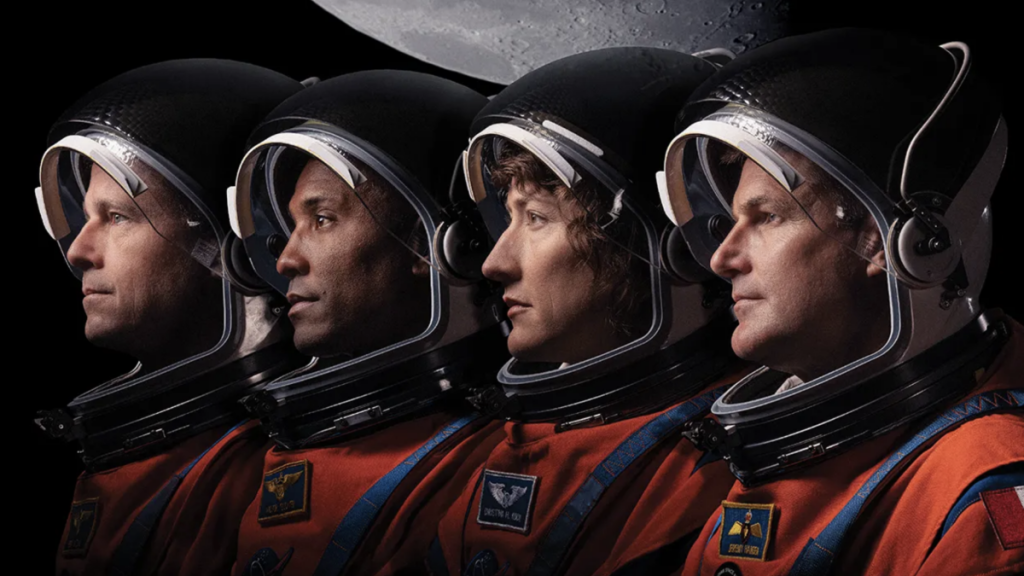
NASA Astronauts Set to Take iPhones to Space: A New Era of Cosmic Photography
In a groundbreaking development that bridges cutting-edge consumer technology with humanity’s most ambitious explorations, NASA has officially approved smartphones—including Apple’s iconic iPhone—for use on upcoming space missions. This decision marks a significant shift in how astronauts will document their extraordinary journeys, promising to deliver an unprecedented stream of stunning visuals from the final frontier.
From Earth’s Most Popular Phone to Space’s Newest Explorer
The iPhone, already one of the most ubiquitous devices on Earth with billions of users worldwide, is preparing for its most ambitious expansion yet—beyond our atmosphere and into the cosmos. NASA Administrator Jared Isaacman announced this exciting development via social media, revealing that astronauts will soon be cleared to carry smartphones on two major upcoming missions: the SpaceX Crew-12 mission to the International Space Station and the historic Artemis II mission, which will send humans to orbit the Moon for the first time in over half a century.
“We are giving our crews the tools to capture special moments for their families and share inspiring images and video with the world,” Isaacman stated in his announcement, emphasizing the dual purpose of this technological integration: personal connection and public inspiration.
The Missions That Will Carry Our Phones to the Stars
The SpaceX Crew-12 mission represents NASA’s continued commitment to maintaining a human presence aboard the International Space Station. Scheduled for launch sometime after February 11, 2026, this mission will transport up to four astronauts to the orbiting laboratory aboard a Crew Dragon spacecraft. While the ISS has been continuously occupied since November 2000, the addition of smartphones to astronauts’ toolkits promises to revolutionize how we experience life aboard this remarkable outpost.
However, it’s the Artemis II mission that truly captures the imagination. This ambitious endeavor aims to send a crew of astronauts to orbit the Moon—a feat not accomplished since the final Apollo mission in 1972. Currently targeted for no earlier than March 6, 2026, Artemis II serves as a crucial stepping stone toward NASA’s ultimate goal of establishing a sustainable human presence on the lunar surface through the Artemis program.
The significance of these missions cannot be overstated. The International Space Station has served as humanity’s primary orbital laboratory for over two decades, facilitating groundbreaking research in fields ranging from medicine to materials science. Meanwhile, Artemis II represents the vanguard of NASA’s renewed lunar exploration efforts, paving the way for future missions that may include the first woman and first person of color to walk on the Moon.
The iPhone’s Journey to the Stars
While Administrator Isaacman’s announcement didn’t specify which smartphone models received NASA’s approval, an Apple spokesperson confirmed to Mashable that the iPhone is indeed among the devices cleared for spaceflight. This revelation has sparked considerable speculation within the tech community about which specific iPhone models will make the journey.
The selection process for space-worthy devices likely involves rigorous testing to ensure they can withstand the extreme conditions of spaceflight. These conditions include the intense vibrations during launch, exposure to cosmic radiation, operation in microgravity, and the dramatic temperature fluctuations experienced in space. Additionally, any device permitted aboard NASA missions must meet strict safety standards to prevent potential hazards in the closed environments of spacecraft and the ISS.
Historically, astronauts have relied on specialized, professional-grade cameras to document their missions. These legacy systems, while capable of producing exceptional imagery, often require significant training to operate effectively and can be cumbersome in the confined spaces of spacecraft. The introduction of smartphones represents a paradigm shift, offering astronauts a familiar, intuitive tool that can capture both still images and video with remarkable quality.
The Promise of Cosmic Photography
The implications of this development extend far beyond mere convenience. By equipping astronauts with smartphones, NASA is democratizing the documentation of space exploration in unprecedented ways. Astronauts will be able to spontaneously capture moments of scientific discovery, personal reflection, and sheer wonder as they occur, without the need to retrieve and configure specialized equipment.
This immediacy could prove particularly valuable during critical mission moments. Imagine, for instance, an astronaut capturing their first view of Earth from the Cupola module of the ISS, or documenting the surreal experience of watching our planet rise over the lunar horizon during Artemis II. These authentic, in-the-moment captures have the potential to forge deeper connections between the public and the space program, inspiring future generations of scientists, engineers, and explorers.
Moreover, the integration of smartphones into space missions opens up new possibilities for public engagement. Astronauts could potentially livestream portions of their missions, host Q&A sessions from orbit, or share real-time updates of their experiences. This level of transparency and accessibility could significantly enhance public understanding and appreciation of the challenges and triumphs of space exploration.
Technical Considerations and Challenges
While the prospect of iPhones in space is undoubtedly exciting, it’s important to recognize the technical challenges involved. Space is an unforgiving environment that can wreak havoc on electronic devices. Cosmic radiation, for example, can cause bit flips in memory, potentially corrupting data or causing devices to malfunction. Engineers will need to implement robust shielding and error-correction mechanisms to protect these devices.
Additionally, the extreme temperature variations in space—ranging from scorching heat in direct sunlight to bitter cold in shadow—pose significant challenges for battery performance and overall device functionality. Specialized cases or modifications may be necessary to ensure reliable operation across these conditions.
Communication presents another hurdle. While the ISS has internet connectivity, bandwidth is limited, and data transmission from lunar distances during Artemis II will be even more challenging. NASA will need to develop efficient protocols for transferring and prioritizing the vast amounts of visual data these devices will generate.
The Future of Space Documentation
The approval of smartphones for space missions represents just the beginning of what could be a transformative trend in how we document and share space exploration. As mobile technology continues to advance at a rapid pace, future iterations of space-approved devices may incorporate augmented reality capabilities, advanced scientific sensors, or even AI-powered analysis tools to assist astronauts in their research and documentation efforts.
Furthermore, this development could pave the way for more extensive use of consumer technology in space. If smartphones prove successful, we might see tablets, wearables, or other personal devices earning their own clearance for spaceflight, further enhancing astronauts’ ability to work efficiently and stay connected with loved ones on Earth.
Conclusion
NASA’s decision to allow iPhones and other smartphones on upcoming space missions marks a significant milestone in the ongoing partnership between consumer technology and space exploration. By putting powerful, intuitive imaging tools in the hands of astronauts, this initiative promises to bring the wonders of space closer to people on Earth than ever before.
As we look forward to the launch of SpaceX Crew-12 and Artemis II, we can anticipate a new era of space photography—one characterized by immediacy, authenticity, and unprecedented access to the experiences of those venturing beyond our planet. These missions will not only push the boundaries of human exploration but also redefine how we document, share, and connect with these extraordinary journeys.
The iPhone’s journey to space symbolizes more than just a technological achievement; it represents humanity’s enduring curiosity, our drive to explore the unknown, and our desire to share those experiences with the world. As these devices orbit Earth and venture toward the Moon, they carry with them the hopes and dreams of millions, capturing images that will inspire generations to come.
Tags
iPhone in space, NASA smartphones, Artemis II mission, SpaceX Crew-12, space photography, Apple space technology, astronaut documentation, cosmic imagery, lunar exploration, ISS photography, space tech innovation, consumer devices in space, space mission equipment, astronaut tools, space communication technology
Viral Phrases
iPhones are going to space!, NASA approves smartphones for astronauts, The iPhone’s greatest adventure yet, Space selfies are about to get epic, Astronauts will capture the cosmos with iPhones, Your phone is going where no phone has gone before, The ultimate test for the iPhone: space, NASA brings consumer tech to the final frontier, Artemis II astronauts packing iPhones, Space Station just got a tech upgrade, The Moon mission with an Apple twist, iPhones ready for liftoff, Zero gravity, all pixels, Documenting history with a smartphone, The cosmos through an iPhone lens, Space exploration meets consumer tech, Astronauts’ new favorite gadget: the iPhone, Capturing the universe one tap at a time, The iPhone’s space odyssey begins, Your everyday device, extraordinary mission
,

Leave a Reply
Want to join the discussion?Feel free to contribute!