
Apple just had a record-breaking iPhone quarter
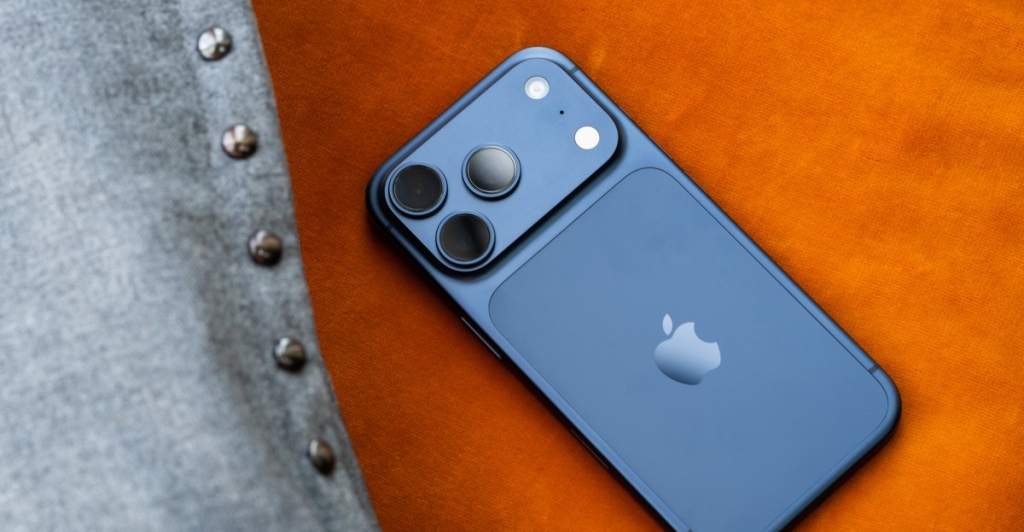
Apple Shatters Records with “Best-Ever” iPhone Quarter, Pushing Revenue Beyond $143 Billion
In a performance that has left Wall Street analysts stunned and competitors scrambling, Apple has just announced its most spectacular financial quarter in company history. The tech giant reported staggering revenue figures that not only exceeded all expectations but also demonstrated the continued dominance of the iPhone ecosystem in an increasingly competitive global smartphone market.
Apple’s Q1 2026 earnings report, released late Tuesday evening, revealed the company generated an unprecedented $143.8 billion in total revenue—a remarkable 16 percent increase compared to the same period last year. This astronomical figure represents more than just numbers on a spreadsheet; it’s a testament to Apple’s unparalleled ability to maintain consumer loyalty and drive demand even in challenging economic conditions.
The crown jewel of this record-breaking quarter was undoubtedly the iPhone segment, which delivered its “best-ever” performance with revenue surpassing $85.3 billion over the past three months. This represents a mind-blowing 23 percent year-over-year growth, showcasing that Apple’s smartphone strategy continues to resonate powerfully with consumers across every demographic and geographic region.
“The demand for iPhone was simply staggering,” declared Apple CEO Tim Cook during a conference call with investors that stretched well beyond its scheduled time as analysts clamored for more details. “This is the strongest iPhone lineup we’ve ever had, and by far the most popular.”
Cook’s enthusiasm was palpable as he described the overwhelming consumer response to the iPhone 17 series, which launched to massive fanfare in September. The devices have apparently struck such a chord with users that supply constraints have become a genuine concern for the company. “We’re seeing high levels of demand that have led to a constrained supply situation,” Cook explained. “The advanced process nodes we use for our chips are experiencing less flexibility in the supply chain, creating some availability challenges that we’re working diligently to address.”
This supply chain bottleneck highlights the complex global ecosystem required to produce Apple’s cutting-edge devices. The company’s reliance on specialized semiconductor manufacturing processes—particularly those involving the most advanced chip fabrication technologies—has created a perfect storm of high demand and limited supply capacity. Industry experts suggest this could persist through the first half of 2026, potentially creating opportunities for competitors but also demonstrating the premium nature of Apple’s technology.
While the iPhone’s performance dominated headlines, Apple’s services segment continued its steady ascent, growing 14 percent year over year to reach new heights. This includes revenue from Apple Music subscriptions, iCloud storage plans, Apple TV+ streaming service, AppleCare protection plans, and the increasingly lucrative App Store ecosystem. The services division now represents a substantial portion of Apple’s overall business, providing a recurring revenue stream that helps insulate the company from hardware cycle fluctuations.
However, not all segments shared in the celebration. Mac sales experienced a notable decline, down approximately 8 percent from the previous year, as consumers potentially delayed computer purchases in anticipation of upcoming M4 chip refreshes. Similarly, the wearables, home, and accessories category saw a 5 percent decrease, suggesting that even Apple’s most loyal customers may be feeling the pinch of economic uncertainty in certain product categories.
The earnings report comes at a pivotal moment for Apple as the company prepares to roll out its much-anticipated AI-powered Siri upgrade. In a surprising strategic move, Apple announced it would partner with Google to power this next-generation virtual assistant, utilizing a custom version of Google’s Gemini AI model. This partnership represents a significant departure from Apple’s traditional preference for developing proprietary technologies and signals the company’s recognition that the AI race requires unprecedented collaboration.
“This is about delivering the best possible experience to our users,” Cook stated when questioned about the Google partnership. “We’re combining Apple’s commitment to privacy and seamless integration with Google’s leading AI capabilities to create something truly revolutionary.”
The Siri upgrade promises to bring unprecedented levels of personalization and contextual awareness to Apple’s virtual assistant. Users can expect more natural conversations, better understanding of complex requests, and AI-powered suggestions that anticipate needs before they’re explicitly stated. The feature is slated for rollout in the coming months, with beta testing already underway among select users.
Adding another layer to Apple’s AI ambitions, the company has quietly acquired Q.ai, an artificial intelligence startup, for a reported $2 billion according to the Financial Times. While Apple has been characteristically tight-lipped about specific plans for the acquisition, the Financial Times reports that Q.ai’s patent portfolio reveals fascinating potential applications.
“The patents show technology being used in headphones or glasses, utilizing ‘facial skin micro movements’ to communicate without talking,” the report noted. This suggests Apple may be exploring revolutionary new input methods for future devices, potentially including advanced AirPods or the long-rumored Apple Glasses augmented reality headset.
Industry analysts are already speculating about the implications of this acquisition. Some believe Q.ai’s technology could enable users to control devices through subtle facial muscle movements, opening up new possibilities for accessibility features and hands-free operation. Others suggest it might be related to improved biometric authentication or even emotion detection capabilities.
Apple’s massive cash reserves—now exceeding $200 billion—give the company tremendous flexibility to pursue such ambitious technological initiatives. The Q.ai acquisition price, while substantial, represents less than 1 percent of Apple’s cash holdings, demonstrating the company’s willingness to invest heavily in technologies that could define the next decade of consumer electronics.
The financial community has responded enthusiastically to Apple’s earnings report, with several major investment firms raising their price targets for the company’s stock. Analysts point to several factors driving this optimism: the continued strength of the iPhone ecosystem, the growing services revenue, the potential of AI integration, and Apple’s demonstrated ability to navigate supply chain challenges.
However, challenges remain on the horizon. Regulatory scrutiny continues to intensify, with antitrust investigations ongoing in multiple jurisdictions. The smartphone market, while still growing, is becoming increasingly saturated in developed markets. And Apple faces mounting pressure to demonstrate that its premium pricing strategy remains justified as competitors close the gap on certain technical specifications.
Despite these challenges, Apple’s Q1 2026 performance suggests the company remains in a position of extraordinary strength. The combination of record revenue, growing services, successful new product launches, and strategic investments in future technologies creates a compelling narrative of continued innovation and market leadership.
As the tech industry watches closely, all eyes will be on Apple’s next moves. Will the Siri AI upgrade live up to the hype? How will the company address ongoing supply constraints? And what other surprises might be lurking in Apple’s famous product development pipeline?
One thing seems certain: in the high-stakes world of technology, Apple has once again proven that it knows how to play the game better than anyone else. The question now is whether competitors can mount an effective response, or if Apple’s latest triumph will simply extend its lead in the race for technological supremacy.
tags #Apple #iPhone #earnings #Q1 #2026 #revenue #TimCook #AI #Siri #Google #Gemini #Qai #startup #acquisition #smartphone #technology #innovation #recordbreaking #WallStreet #services #supplychain #semiconductors #Mac #wearables #AppStore #AppleMusic #iCloud #AppleTV #M4 #chip #augmentedreality #AR #headphones #glasses #biometrics #facialrecognition #emotiondetection #accessibility #handsfree #cashreserves #antitrust #regulation #premiumpricing #ecosystem #loyalty #demand #constrainedsupply #processnodes #semiconductor #fabrication #globalmarket #economicuncertainty #investment #stockprice #price target #productdevelopment #pipeline #technologicalsupremacy #competitors #marketleadership #consumerresponse #fanfare #beta #testing #contextualawareness #personalization #virtualassistant #collaboration #proprietary #technology #strategicmove #future #decade #ambitious #initiatives #financialcommunity #investmentfirms #optimism #challenges #scrutiny #investigations #jurisdictions #saturation #developedmarkets #pricingstrategy #specifications #strength #narrative #continued #innovation #highstakes #game #response #lead #race #supremacy #question #certain #triumph #extend #lead #race #technological #supremacy #question #certain #triumph #extend #lead #race #technological #supremacy
,
![Google TV tests ‘Free’ and ‘Shop’ tabs on homescreen [Gallery]](https://techno-news.org/wp-content/uploads/2026/01/tcl-qm9k-google-tv-homescreen-1-150x150.jpg "Google TV tests ‘Free’ and ‘Shop’ tabs on homescreen [Gallery]")
Leave a Reply
Want to join the discussion?Feel free to contribute!