
Apple M3 With Asahi Linux Continues Making Progress, No ETA Yet For Shipping
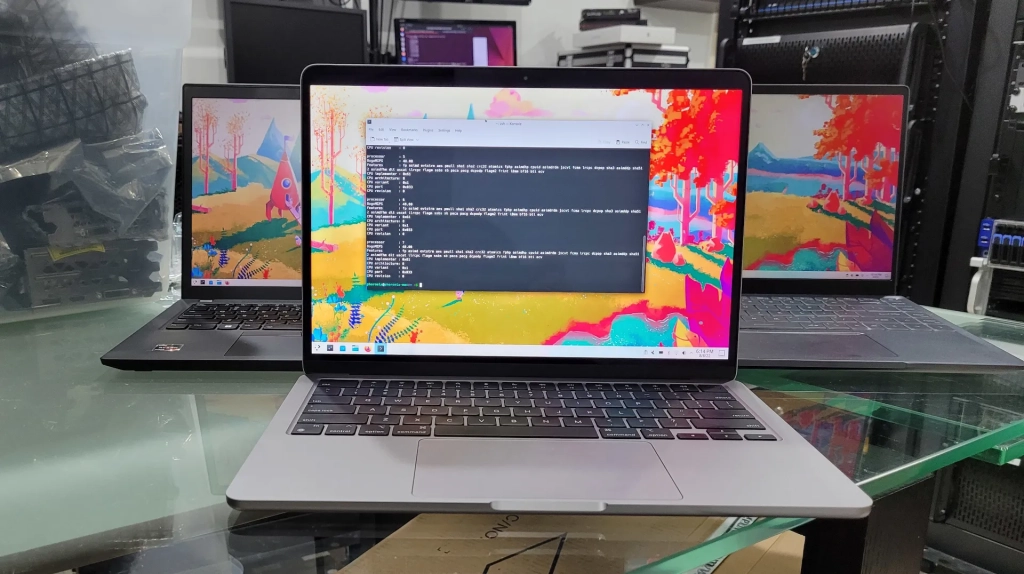
Apple Silicon Meets Linux: Asahi Developers Chart the Road Ahead
Five years after its inception, the Asahi Linux project remains at the forefront of the ambitious effort to bring a fully functional Linux desktop experience to Apple’s M-series processors. With Apple now shipping hardware as recent as the M5, the developers behind Asahi Linux have published a detailed progress report following the release of Linux kernel 6.19, offering a candid look at both recent accomplishments and the challenges that lie ahead.
DisplayPort Alt Mode: Still in the Works
One of the most frequent requests from users has been support for DisplayPort Alt Mode over USB-C, enabling external displays to be connected through standard USB-C ports. The Asahi team acknowledges this demand but remains firm in their stance: the feature will be delivered “when it’s done.” While a development branch named “fairy dust” contains experimental downstream code, it is not yet ready for official support. The developers stress that stability and polish take precedence over rushing out incomplete features.
M3 Support: Catching Up, but Not Rushing
With Apple’s silicon lineup advancing rapidly, many users are eager to know when support for newer chips like the M3 will arrive. The Asahi team reports that M3 support has reached a stage comparable to where M1 support stood during the first Arch Linux ARM-based beta release. Essential components—keyboard, touchpad, WiFi, NVMe storage, and USB3—are operational, though some patches to the m1n1 bootloader and the Asahi kernel are still pending upstream integration.
However, the developers are acutely aware that expectations have evolved. Over the past five years, Asahi Linux has cultivated a reputation for delivering one of the most polished AArch64 desktop Linux experiences available. This reputation, they note, has come at a significant personal cost to contributors, and they are determined not to compromise it.
“We don’t expect it to take too long to get M3 support into a shippable state,” the team writes, “but much as with everything else we do, we cannot provide an ETA and request that you do not ask for one.”
The baseline for any M3 release, they suggest, should match the current completeness of M1 and M2 support—a high bar that reflects the project’s commitment to quality over speed.
Pushing the Limits: 120Hz Refresh Rate on MacBook Pros
Another notable development is the ongoing work to overcome the 60Hz screen limitation on MacBook Pro models, with the goal of enabling a smoother 120Hz refresh rate. This enhancement would significantly improve the user experience, especially for those accustomed to high-refresh-rate displays on other platforms.
Camera and GPU: Persistent Challenges
As with any ambitious hardware adaptation, some issues persist. The team is still addressing certain webcam-related bugs that affect video conferencing and other camera-dependent applications. Meanwhile, GPU support—a cornerstone of any desktop experience—continues to be refined, with developers working to unlock the full potential of Apple’s integrated graphics under Linux.
Looking Ahead
Asahi Linux’s latest progress report underscores a philosophy of patience and precision. While the pace of Apple’s hardware releases accelerates, the project remains steadfast in its commitment to delivering a stable, polished, and user-friendly Linux experience on Apple Silicon. For those eager to follow the latest developments, the full report is available on the Asahi Linux website.
Tags & Viral Phrases:
- Apple Silicon Linux support
- Asahi Linux M3 progress
- 120Hz refresh rate MacBook Pro
- DisplayPort Alt Mode USB-C
- Linux on Apple M-series
- M1 M2 M3 M5 Apple Silicon
- Open source Apple hardware
- Asahi Linux five-year anniversary
- GPU support Apple Silicon
- Webcam issues Linux Apple
- m1n1 bootloader patches
- AArch64 desktop Linux
- Apple Silicon open source
- Linux kernel 6.19 Apple
- Asahi Linux status update
- Apple M-series Linux desktop
- High refresh rate Linux Mac
- Apple Silicon community development
- Linux on MacBook Pro
- Apple hardware Linux compatibility
,

Leave a Reply
Want to join the discussion?Feel free to contribute!