
Apple quietly kills 512GB M3 Ultra Mac Studio option
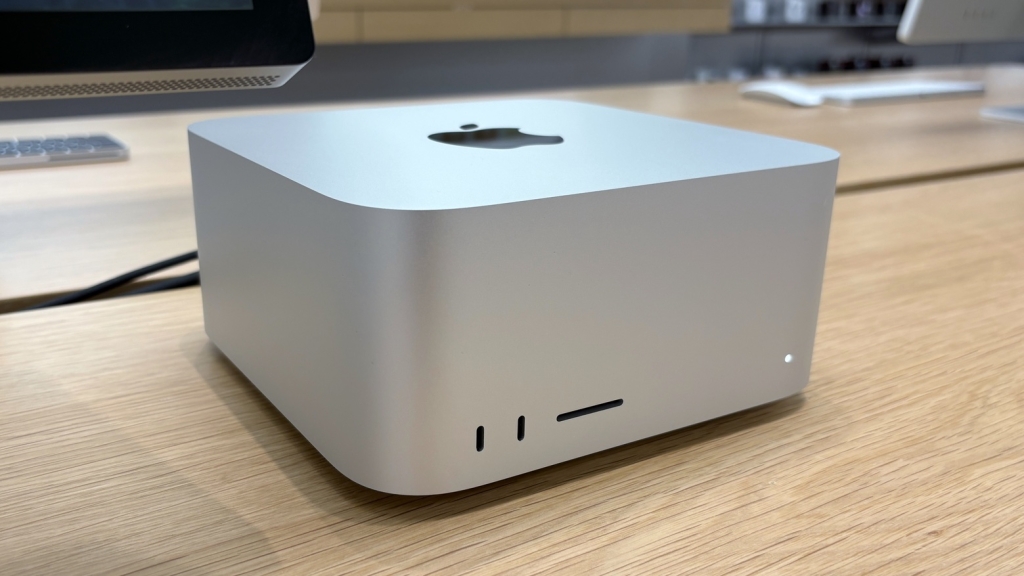
Apple Quietly Kills 512GB M3 Ultra Mac Studio Option Amid DRAM Shortage
In a surprising move that has sent shockwaves through the creative professional and AI development communities, Apple has quietly eliminated the ability to configure the M3 Ultra Mac Studio with 512GB of unified memory. This decision, coming amid a global DRAM shortage, represents a significant shift in Apple’s high-end desktop strategy and could have far-reaching implications for power users who rely on massive memory configurations.
The DRAM Shortage Hits Apple’s Most Powerful Desktop
The Mac Studio, Apple’s compact powerhouse designed for professionals who need desktop-class performance without the footprint of a traditional tower, has long been the only machine in Apple’s lineup offering up to 512GB of unified memory. This configuration became particularly popular among developers, data scientists, and AI enthusiasts who need to run large language models locally or handle massive datasets without relying on cloud computing.
The removal of this option wasn’t announced through traditional channels. Instead, eagle-eyed observers noticed the change on Apple’s online store, where the 512GB configuration has simply disappeared from the available options. This stealth approach to product changes has become somewhat characteristic of Apple’s strategy, but the impact here is particularly significant.
What This Means for Professional Users
For many professionals, the 512GB Mac Studio represented the sweet spot between performance and local control. Running large language models locally offers several advantages: complete data privacy, no reliance on internet connectivity, and the ability to fine-tune models without data leaving your machine. The massive memory pool allows for larger context windows and more complex model architectures than would be possible with lesser configurations.
The decision to cap memory at 256GB—still substantial by most standards—represents a 50% reduction in maximum capacity. While this may not affect the average user, it’s a significant limitation for those pushing the boundaries of what’s possible with local AI development and data processing.
Price Increases Compound the Problem
Making matters worse, Apple has also increased the price for upgrading memory from 96GB to 256GB by $400, bringing the total cost of this upgrade to $2,000. This price hike comes at a time when DRAM prices are already elevated due to supply chain constraints, though some industry watchers note that $2,000 for 256GB of high-performance memory isn’t entirely out of line with current market rates.
The timing is particularly interesting given that Apple recently raised prices on its M5 MacBook Pro lineup by $200, though those machines do come with double the base storage. The M5 MacBook Air also saw a $100 price increase, suggesting a broader trend of Apple adjusting its pricing strategy across product lines.
Implications for the M5 Ultra Mac Studio
Industry analysts are already speculating about what this means for the upcoming M5 Ultra Mac Studio, expected to launch later this year. The higher upgrade pricing for the current generation could be a harbinger of broader price increases across the lineup. While the base configuration might retain its current pricing, custom builds—especially those targeting the high-end market—could see significant price hikes.
This strategy would align with Apple’s apparent shift toward premium positioning across its product ecosystem. As the company continues to integrate more advanced features and capabilities into its devices, the cost of high-end configurations has steadily increased, potentially pushing professional-grade hardware further out of reach for some users.
The Broader Context: Supply Chain Challenges
The DRAM shortage affecting Apple’s memory configurations is part of a larger supply chain crisis impacting the entire tech industry. Factors including geopolitical tensions, manufacturing constraints, and surging demand for AI-capable hardware have created a perfect storm of supply limitations and price increases.
For Apple, this presents a difficult balancing act. The company must manage customer expectations while dealing with real-world constraints on component availability. By limiting the maximum memory configuration, Apple may be ensuring it can continue to ship Mac Studios to customers rather than facing longer delays or potential cancellations of the highest-end orders.
What Are the Alternatives?
For professionals who absolutely need 512GB or more of unified memory, the current situation presents some challenging decisions. Options include:
- Purchasing a current-generation Mac Studio with 256GB before supplies potentially dwindle further
- Exploring third-party memory upgrade solutions, though Apple’s unified memory architecture makes this difficult
- Considering alternative platforms that might offer more flexible memory configurations
- Waiting for the M5 generation, which might bring efficiency improvements that offset some of the memory limitations
Community Reaction
The response from the Mac Studio community has been mixed, with many expressing frustration at the reduced options while others acknowledge the realities of current market conditions. Developer forums and social media platforms have seen extensive discussions about the implications, with some users already exploring alternative solutions for their high-memory needs.
The change has also reignited debates about Apple’s approach to professional hardware. Some users argue that the company is increasingly focusing on the mainstream market at the expense of power users, while others point out that even 256GB of unified memory remains exceptional by industry standards.
Looking Ahead
As Apple continues to evolve its product lineup, the tension between pushing technological boundaries and managing practical constraints will likely remain a central challenge. The Mac Studio’s memory limitations may be a temporary response to current market conditions, or they could signal a longer-term shift in how Apple approaches high-end configurations.
For now, professionals who need maximum memory capacity will need to carefully evaluate their options and potentially adjust their workflows to accommodate the new limitations. The tech industry’s ongoing evolution means that today’s constraints could become tomorrow’s opportunities, but for the moment, the Mac Studio’s memory ceiling represents a significant change for Apple’s most powerful desktop computer.
Tags: Apple, Mac Studio, M3 Ultra, DRAM shortage, unified memory, AI development, professional hardware, memory configuration, supply chain, tech industry
Viral phrases: “Apple quietly kills,” “512GB memory option disappears,” “DRAM shortage hits hard,” “professional users left scrambling,” “price increases shock,” “M5 Ultra speculation,” “supply chain crisis,” “power users frustrated,” “memory ceiling lowered,” “stealth product change”
Viral sentences: “Apple has silently removed the 512GB option from its online store,” “The move stems from the ongoing DRAM and NAND shortage currently affecting the consumer tech space,” “You can now only configure the M3 Ultra Mac Studio with 256GB of memory — 50% less than before,” “The higher upgrade pricing could also signal that Apple plans to raise prices for the upcoming M5 Max and M5 Ultra Mac Studio models,” “Industry analysts are already speculating about what this means for the upcoming M5 Ultra Mac Studio”
,


Leave a Reply
Want to join the discussion?Feel free to contribute!