
Apple retires a legendary iPhone
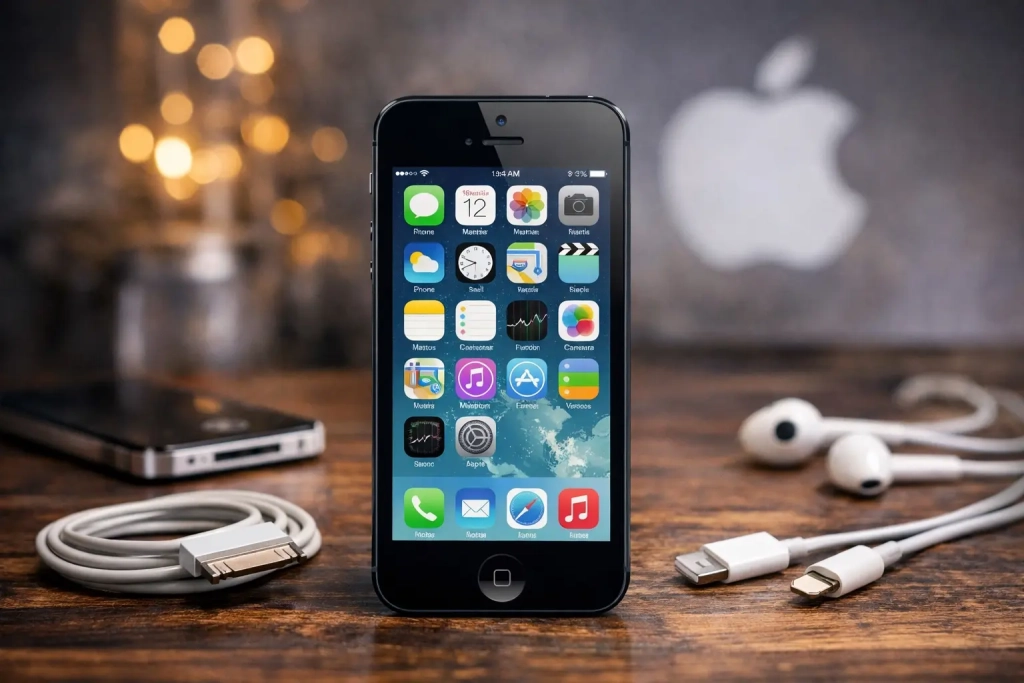
Apple’s iPhone 5 Officially Joins the Obsolete Club: A Look Back at the Lightning Era
In a bittersweet moment for tech enthusiasts, Apple has officially declared the iPhone 5 obsolete, marking the end of an era for one of the company’s most iconic devices. Launched over a decade ago in September 2012, the iPhone 5 was a groundbreaking smartphone that introduced several firsts for Apple, including the now-ubiquitous Lightning port and a larger 4-inch display that broke from the company’s previous design philosophy.
The End of an Era: What “Obsolete” Really Means
When Apple designates a product as obsolete, it’s not just a ceremonial gesture—it’s a definitive statement about the end of official support. The iPhone 5’s journey to obsolescence followed Apple’s standard timeline: the device was considered vintage five years after its retail sales ended (2018) and has now reached the seven-year mark since Apple stopped distributing it for sale, officially making it obsolete in 2026.
This designation has significant implications for the millions of iPhone 5 owners who might still be holding onto their devices. Apple will no longer provide any hardware service or support for the iPhone 5, and even Apple Authorized Service Providers cannot order replacement parts directly from Apple. For a device that once represented the cutting edge of mobile technology, this marks a definitive full stop on its lifecycle.
A Revolutionary Design That Changed Everything
When the iPhone 5 debuted, it represented Apple’s most dramatic design overhaul since the original iPhone. The device was 20% lighter and 18% thinner than its predecessor, the iPhone 4S, making it feel almost impossibly sleek in the hand. The aluminum backing replaced the glass sandwich design, giving the phone a more premium feel while also improving durability.
Perhaps most notably, the iPhone 5 was the first Apple device to abandon the 30-pin connector that had been a staple since the iPod era. In its place came the Lightning port—a reversible, compact connector that would go on to power every Apple mobile device for the next decade. At the time, this change was controversial; it meant that millions of existing accessories would become obsolete overnight, requiring adapters or complete replacement. However, the Lightning port’s compact design allowed Apple to create thinner devices and set a new standard for mobile connectivity.
The 4-Inch Display: A Bold Move at the Time
The iPhone 5’s 4-inch display was a significant departure from Apple’s previous 3.5-inch standard. While today a 4-inch screen seems diminutive compared to modern smartphones that routinely feature 6-inch or larger displays, at the time it represented Apple’s acknowledgment that consumers wanted more screen real estate. The taller display maintained the same width as previous models, preserving one-handed usability while adding an extra row of icons and more content in apps.
This change was particularly important as Apple faced increasing competition from Android manufacturers who were racing to produce ever-larger devices. The iPhone 5’s display allowed Apple to remain competitive without completely abandoning its design principles or creating a device that was unwieldy to use.
Performance That Held Its Own
Under the hood, the iPhone 5 featured Apple’s A6 chip, which delivered noticeable performance improvements over the A5 processor in the iPhone 4S. The A6 was Apple’s first custom-designed ARM-based processor, and it provided a significant boost in both CPU and graphics performance. This allowed the iPhone 5 to handle more demanding apps and games while maintaining excellent battery life—a combination that helped it compete effectively with Android devices that often featured more powerful specifications on paper.
The device also introduced several other notable features, including the ability to capture still photos while recording video, a new panorama mode in the camera app, and improved cellular connectivity with support for LTE networks, making it one of the first Apple devices to offer true 4G speeds.
The Final Update: A Bittersweet Farewell
The iPhone 5’s software support extended remarkably far for a device of its age. In July 2019, Apple released iOS 10.3.4 specifically for older devices including the iPhone 5, addressing a critical GPS location bug that could have affected timing and location accuracy. This update, coming seven years after the device’s launch, demonstrated Apple’s commitment to supporting its products far longer than most Android manufacturers support their devices.
However, iOS 10.3.4 would be the iPhone 5’s last update, leaving it stuck on iOS 10 and unable to access many modern apps and services that require newer operating systems. This software obsolescence often becomes the practical end-of-life for devices before hardware failure occurs.
What This Means for Current Owners
If you’re still using an iPhone 5 in 2026, you’re part of a very small minority. While the device can still technically function for basic tasks like calls, texts, and limited internet browsing, its obsolescence means you’ll need to be extra cautious. Without access to official repairs or replacement parts, any hardware failure could render the device permanently unusable.
The iPhone 5’s obsolescence also serves as a reminder of how quickly technology evolves. A device that was once at the forefront of mobile innovation is now considered a relic, unable to run modern apps, access current websites, or connect to the latest networks. For many, this milestone represents an opportunity to upgrade to a modern smartphone that offers vastly superior performance, camera quality, battery life, and security features.
Looking Back at the Lightning Legacy
The iPhone 5’s introduction of the Lightning port created a decade-long standard that would power everything from iPhones to iPads to AirPods charging cases. While Apple has since moved to USB-C for some products and is rumored to be developing portless charging solutions, the Lightning connector remains a significant part of Apple’s history. Its introduction with the iPhone 5 represented Apple’s willingness to make bold, sometimes controversial changes in pursuit of better design and functionality.
As we bid farewell to the iPhone 5, we’re not just saying goodbye to a single device, but acknowledging the end of an era for a design philosophy and connectivity standard that shaped a decade of mobile technology. The iPhone 5 may be obsolete, but its influence continues to be felt in every modern smartphone.
Tags & Viral Phrases
- iPhone 5 obsolete status announced
- Apple ends support for 2012 iPhone
- Lightning port debut device retired
- Vintage iPhone reaches end of life
- First 4-inch iPhone now unsupported
- A6 chip powered Apple’s thin revolution
- Last iOS 10.3.4 update for iPhone 5
- No more Apple repairs for iPhone 5
- Tech nostalgia hits as iPhone 5 becomes obsolete
- End of Lightning era begins
- iPhone 5 joins Apple’s obsolete list
- 2012 smartphone can’t survive 2026
- Apple’s bold design changes back in 2012
- iPhone 5 transformation from cutting-edge to obsolete
- Remember when 4-inch was big?
,


Leave a Reply
Want to join the discussion?Feel free to contribute!