
Apple says UK age verification message in iOS 26.4 beta 2 was a bug
Apple Confirms UK Age Verification Prompt in iOS 26.4 Beta Was an Error — Here’s What Really Happened
In a surprising twist that sent ripples through the tech community, Apple has officially confirmed that an age verification prompt appearing in iOS 26.4 beta 2 for UK users was displayed in error. The unexpected pop-up, which asked users to confirm they were 18 or older before downloading certain apps, sparked confusion and speculation about Apple’s compliance with the UK’s strict Online Safety Act. But as it turns out, the prompt was never meant to be seen by beta testers—at least not yet.
The Incident: What Went Down
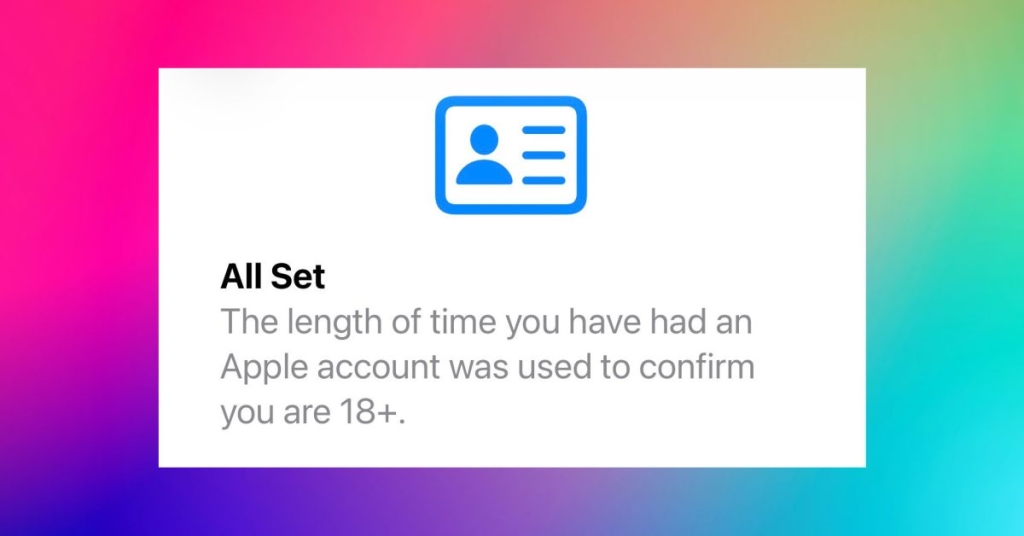
It all started when a handful of users in the UK began noticing an unusual message after updating to iOS 26.4 beta 2. The prompt requested age verification, asking users to confirm they were adults before proceeding with app downloads. This sudden appearance of the verification step raised eyebrows, especially since it seemed to align with the UK’s recently enacted Online Safety Act, which mandates platforms to verify users’ ages before granting access to certain content.
Tech journalist Ben Lovejoy, writing for 9to5Mac, was among the first to document the experience. He detailed how the prompt appeared almost instantly after installing the beta update, and how the entire verification process took less than 30 seconds to complete. For many, it looked like Apple was rolling out a new compliance feature ahead of schedule—possibly in preparation for the official release of iOS 26.4.
Apple’s Response: A Swift Correction
However, the narrative took a sharp turn when Apple stepped in to clarify the situation. In a statement provided to The Verge, the tech giant confirmed that the age verification message was indeed displayed in error. According to Apple, the prompt was never intended for beta users and has since been removed from the system.
“Some users on the beta software in the UK temporarily saw a message suggesting age verification is required to download apps,” Apple stated. “That message was displayed in error, and has been fixed. Developers may continue to use the Declared Age Range API to provide age-appropriate experiences for users.”
This clarification put to rest any speculation that Apple was prematurely enforcing the UK’s Online Safety Act requirements. Instead, it appears the prompt was a glitch—a misstep in the beta testing process that Apple quickly addressed.
The Bigger Picture: Apple’s Age Verification Strategy
While the prompt was an error, it does shine a light on Apple’s broader efforts to comply with evolving digital safety regulations worldwide. The UK’s Online Safety Act is just one of several new laws that tech companies are grappling with as governments seek to protect younger users from harmful online content.
In response, Apple has been updating its age verification APIs, which use various signals to determine whether a user is an adult. These signals include the payment methods associated with the account and the length of time the Apple Account has been active. The company has also expanded its age assurance tools, rolling out new App Store requirements in several regions to ensure compliance with local laws.
Despite the hiccup with the iOS 26.4 beta, Apple remains committed to providing age-appropriate experiences for its users. The Declared Age Range API, for instance, allows developers to tailor content based on a user’s declared age, ensuring that apps and services are suitable for their intended audience.
What This Means for Users and Developers
For now, UK users can breathe a sigh of relief knowing that the age verification prompt was a mistake and not a new requirement. However, the incident serves as a reminder that age verification measures are likely on the horizon as Apple and other tech giants work to meet regulatory demands.
Developers, on the other hand, should continue to leverage Apple’s age verification tools to create safe and appropriate experiences for their users. The Declared Age Range API remains a valuable resource for ensuring compliance with regional laws and protecting younger audiences from inappropriate content.
Looking Ahead: The Future of Digital Safety
As governments around the world tighten regulations on online safety, tech companies like Apple will need to strike a delicate balance between compliance and user experience. While the accidental age verification prompt in iOS 26.4 beta 2 may have caused a brief stir, it also highlights the challenges of navigating an increasingly complex regulatory landscape.
For Apple, the incident is a minor blip in an otherwise smooth rollout of its age verification tools. But for users and developers, it’s a reminder that the digital world is evolving—and with it, the rules that govern it.
So, while the age verification prompt may have been a false alarm this time, it’s clear that the conversation around online safety is far from over. As Apple and other tech giants continue to adapt to new regulations, users can expect to see more changes aimed at creating a safer, more age-appropriate digital environment.
Tags & Viral Phrases:
- Apple age verification error
- iOS 26.4 beta 2 glitch
- UK Online Safety Act compliance
- Apple confirms prompt was a mistake
- Age verification tools for developers
- Declared Age Range API explained
- Tech companies and digital safety regulations
- Apple’s response to UK age verification prompt
- Beta software mishaps
- Navigating online safety laws
- Apple’s age assurance strategy
- Protecting younger users online
- The future of digital safety compliance
,


Leave a Reply
Want to join the discussion?Feel free to contribute!