
Apple thinks it can lure in the 'Apple curious' for $599
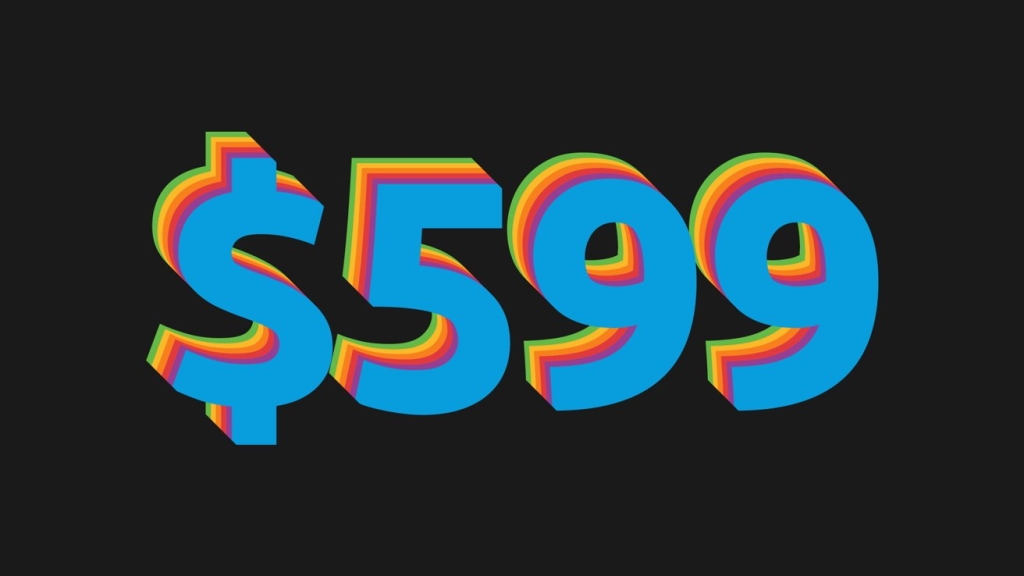
Apple’s Bold Strategy: How $599 Devices Are Redefining the Tech Giant’s Ecosystem
In a surprising and calculated move, Apple has unveiled a new strategy that could reshape the competitive landscape of consumer technology. The Cupertino-based giant, long known for its premium pricing and luxury appeal, is now aggressively targeting Android and Windows users with a “budget-friendlier” approach across nearly its entire product lineup. At the heart of this strategy lies a seemingly modest price point: $599.
This shift marks a significant departure from Apple’s traditional playbook, where exclusivity and high margins were the cornerstones of its brand identity. By introducing devices at this more accessible price point, Apple is not just expanding its customer base—it’s building a moat around its ecosystem designed to lock in users for the long haul.
The $599 Sweet Spot: A Gateway to Apple’s World
The $599 price point is no accident. It represents a carefully calculated threshold that balances affordability with the premium experience Apple is known for. This strategy is evident across multiple product categories, from iPhones to iPads and even certain Mac models.
For many consumers, $599 is a psychological barrier—a point where a product transitions from being a luxury item to a serious consideration. By positioning its devices at this price, Apple is sending a clear message: “You can now join our world without breaking the bank.”
This approach is particularly effective in emerging markets, where the high cost of Apple products has historically been a significant barrier to entry. By lowering the price of admission, Apple is tapping into a vast pool of potential customers who have long admired the brand from afar but couldn’t justify the expense.
The Ecosystem Play: More Than Just Hardware
Apple’s strategy goes beyond selling individual devices at a lower price point. The real genius lies in how these $599 products serve as gateways to Apple’s broader ecosystem—a network of devices, services, and software that work seamlessly together.
Once users enter this ecosystem, they’re more likely to invest in additional Apple products and services. The convenience of having all your devices work together, the seamless integration of services like iCloud, Apple Music, and Apple TV+, and the familiarity of the user interface create a powerful incentive to stay within the Apple fold.
This “halo effect” is not new to Apple, but the $599 strategy accelerates it. A customer who buys an affordable iPhone is more likely to purchase an iPad, a Mac, or an Apple Watch down the line. Each new purchase strengthens their ties to the ecosystem, making it increasingly difficult to switch to a competing platform.
The Android and Windows Exodus
Apple’s aggressive pricing strategy is clearly aimed at poaching users from its main competitors: Android and Windows. These platforms have dominated the market for years, particularly in the budget and mid-range segments. By offering compelling devices at similar price points, Apple is challenging the notion that you need to sacrifice quality for affordability.
This approach is particularly effective against Android, which has long been the go-to choice for budget-conscious consumers. While Android offers a wide range of devices at various price points, Apple’s strategy of offering a single, high-quality option at $599 simplifies the decision-making process for many buyers.
Similarly, in the PC market, Apple’s more affordable Mac options are challenging Windows’ dominance. The integration between macOS, iOS, and iPadOS creates a unified experience that’s hard to replicate on a Windows-Android combination, even if individual devices might be cheaper.
The Services Angle: The Real Profit Driver
While the $599 devices might have slimmer margins than Apple’s premium offerings, the company is betting big on services to drive long-term profitability. Each new user that enters the ecosystem through an affordable device represents a potential goldmine for Apple’s growing services business.
From Apple Music subscriptions to iCloud storage plans, Apple Arcade, and Apple TV+, these services generate recurring revenue that far outpaces the one-time profit from a device sale. Moreover, as users become more invested in the ecosystem, they’re more likely to pay for premium services and make in-app purchases.
This strategy mirrors the approach taken by many video game console manufacturers, who sell hardware at or below cost and make up for it through software and subscription sales. Apple is essentially applying this model to its entire product lineup.
The Risks: Can Apple Maintain Its Premium Image?
While the $599 strategy is clever, it’s not without risks. Apple has built its brand on the promise of premium quality and cutting-edge innovation. By introducing more affordable options, there’s a danger of diluting this brand image.
There’s also the risk of cannibalizing sales of higher-end models. If the $599 iPhone is good enough for most users, why would anyone pay $1,000 or more for the latest flagship? Apple will need to carefully balance its product lineup to ensure that it continues to offer compelling reasons to upgrade to premium models.
Furthermore, as Apple expands into lower price segments, it may face increased scrutiny from regulators and critics who argue that the company is using its market power to stifle competition. The Department of Justice’s recent antitrust lawsuit against Apple highlights the growing concern over the company’s market dominance.
The Future: A More Inclusive Apple?
Despite these risks, Apple’s $599 strategy represents a bold vision for the future—one where the company’s products are accessible to a broader range of consumers without sacrificing the quality and integration that define the Apple experience.
This approach could lead to a more diverse and inclusive Apple ecosystem, where users from all walks of life can enjoy the benefits of seamless technology integration. It’s a strategy that not only grows Apple’s market share but also strengthens its competitive moat, making it increasingly difficult for users to leave once they’ve entered.
As Apple continues to refine this strategy, we can expect to see even more innovative approaches to pricing and product development. The $599 sweet spot might just be the beginning of a new era for Apple—one where accessibility and ecosystem lock-in go hand in hand.
In the end, whether you’re an Android devotee, a Windows warrior, or simply curious about the Apple experience, the message is clear: the door to Apple’s world is now open wider than ever. And once you step through, you might find it’s a place you never want to leave.
viral tags and phrases:
- Apple’s $599 revolution
- Ecosystem lock-in strategy
- Budget-friendly Apple devices
- Android to Apple migration
- Windows users switching to Mac
- Apple’s bold pricing move
- The $599 sweet spot
- Halo effect in tech
- Services revenue boom
- Premium brand at accessible prices
- Emerging markets Apple strategy
- Device as gateway to ecosystem
- Apple’s competitive moat
- Antitrust concerns Apple
- Inclusive Apple future
- Seamless technology integration
- Apple’s market share growth
- Regulatory scrutiny Apple
- Cannibalization of premium sales
- Apple’s services business boom
- Recurring revenue strategy
- Psychological pricing barriers
- Apple’s bold vision
- Technology accessibility
- Brand dilution risks
- Innovation at lower price points
- Apple’s market dominance
- Consumer technology landscape
- Strategic ecosystem building
- Apple’s competitive advantage
- User experience unification
- Cross-platform integration
- Tech ecosystem stickiness
- Apple’s long-term strategy
- Consumer behavior in tech
- Market penetration tactics
- Brand loyalty in technology
- Premium experience affordability
- Apple’s growth strategy
- Digital services expansion
- Hardware as service enabler
- Consumer choice dynamics
- Technology adoption barriers
- Ecosystem economics
- Strategic market positioning
- Apple’s business model evolution
- Competitive tech landscape
- Consumer tech affordability
- Brand perception management
- Market share acquisition
- Tech industry disruption
- Apple’s future vision
- Ecosystem economics
- Strategic pricing psychology
- Technology market trends
- Consumer behavior analysis
- Brand strategy in tech
- Market competition dynamics
- Innovation accessibility
- Tech industry analysis
- Strategic business moves
- Consumer technology insights
- Market disruption patterns
- Brand evolution strategies
- Tech ecosystem development
- Consumer adoption factors
- Market strategy effectiveness
- Brand positioning tactics
- Technology market analysis
- Consumer choice drivers
- Ecosystem value proposition
- Market penetration effectiveness
- Brand loyalty factors
- Technology adoption trends
- Market competition analysis
- Strategic business evolution
- Consumer behavior insights
- Tech industry future
- Market dynamics understanding
- Brand strategy effectiveness
- Consumer technology future
- Market trend analysis
- Strategic positioning success
- Brand evolution impact
- Technology market insights
- Consumer adoption patterns
- Market strategy outcomes
- Brand perception shifts
- Technology accessibility impact
- Market competition results
- Strategic business outcomes
- Consumer behavior changes
- Tech industry transformation
- Market trend implications
- Brand strategy results
- Consumer choice evolution
- Technology market future
- Market dynamics changes
- Brand positioning results
- Consumer adoption insights
- Tech industry analysis outcomes
,

Leave a Reply
Want to join the discussion?Feel free to contribute!