
Apple to prioritize iPhone Fold over base iPhone 18, report says
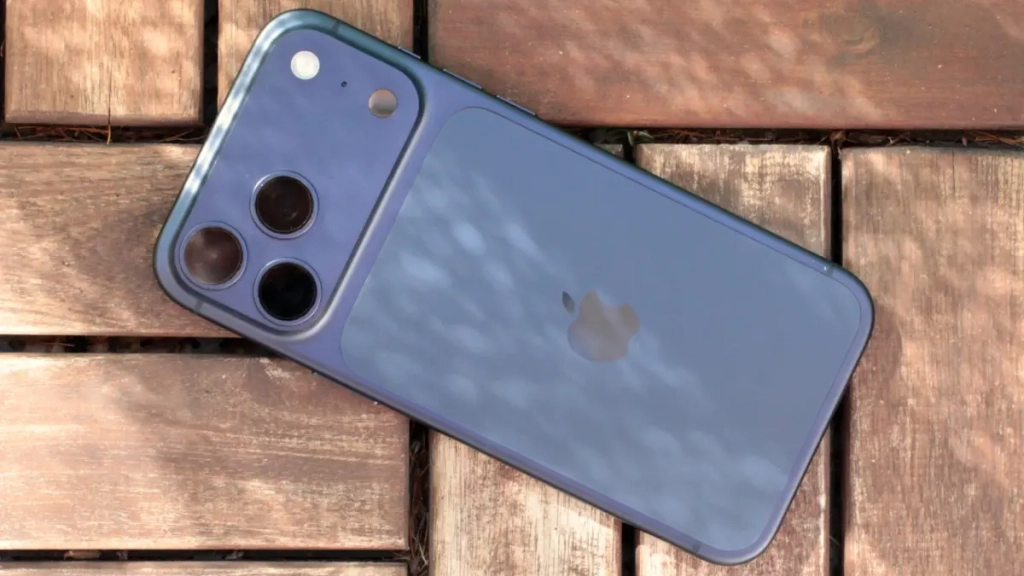
Apple Shifts iPhone Release Strategy Amid Global Memory Shortage
In a surprising move that could reshape the annual iPhone launch cycle, Apple is reportedly delaying the release of its base model iPhone 18 until early 2027. Instead, the tech giant plans to focus on launching its premium iPhone models—including the highly anticipated iPhone Fold—in the fall of 2026.
According to a report from Nikkei Asia, a respected Asian business publication, Apple is adapting its product strategy in response to the ongoing global memory shortage that’s affecting the entire tech industry. This strategic pivot marks a significant departure from Apple’s traditional September release schedule, which typically includes three new iPhone models: a standard version, a Pro model, and a Pro Max variant.
The memory shortage, driven largely by surging demand for AI applications and data center infrastructure, has created supply chain constraints that even industry giants like Apple cannot fully circumvent. Industry analysts suggest that Apple’s decision to prioritize its premium offerings reflects both the current manufacturing realities and the company’s confidence in the demand for its high-end devices.
Ming-Chi Kuo, a well-known Apple analyst with a track record of accurate predictions about the company’s product roadmap, had previously suggested a similar timeline adjustment. His analysis aligns with Nikkei’s reporting, lending credibility to the speculation about Apple’s altered launch strategy.
The iPhone Fold represents Apple’s most ambitious hardware innovation in years. As the company’s first foldable device, it promises to introduce an entirely new form factor to the iPhone lineup. Industry insiders suggest that the complexity of manufacturing foldable displays, combined with the memory shortage, has made it impractical for Apple to produce all four planned models simultaneously.
This strategic delay for the base iPhone 18 model underscores Apple’s prioritization of its premium product segments. By focusing manufacturing resources on the Pro models and the innovative foldable device, Apple aims to maximize its available components while delivering products that command higher price points and profit margins.
The decision also reflects Apple’s confidence in its existing iPhone lineup. With the iPhone 17 series expected to launch as scheduled in fall 2025, consumers will have access to current-generation devices while awaiting the premium 2026 models. This approach allows Apple to maintain its annual September tradition while adapting to supply chain constraints.
For consumers eagerly anticipating the iPhone 18, the delay means waiting until early 2027 for the base model. However, those interested in cutting-edge technology will have the opportunity to experience Apple’s foldable innovation much sooner, potentially in fall 2026.
The memory shortage affecting Apple is part of a broader industry challenge. Companies across the tech sector are grappling with limited supplies of DRAM and NAND flash memory, essential components for everything from smartphones to laptops to data centers. The AI boom has intensified competition for these components, as machine learning applications require substantial memory resources.
Apple’s strategic response demonstrates the company’s agility in navigating supply chain disruptions while maintaining its product innovation trajectory. By prioritizing its most advanced and potentially most profitable devices, Apple ensures it can deliver breakthrough products even in challenging manufacturing environments.
This shift in release strategy may also influence Apple’s marketing and sales approach. With a gap between the fall 2026 premium launches and the early 2027 base model release, Apple might need to adjust its promotional strategies to maintain consumer interest across a more extended product cycle.
The iPhone Fold’s prominence in Apple’s 2026 plans signals the company’s commitment to exploring new form factors and user experiences. As competitors have already introduced foldable devices to the market, Apple’s entry represents a significant moment for the technology, potentially validating and expanding the foldable device category.
For Apple’s supply chain partners, this adjusted timeline provides clarity on production priorities and component allocation. The focus on premium models may benefit suppliers specializing in high-end components while potentially creating opportunities for other manufacturers to fill gaps in the base model segment.
As the tech industry continues to navigate supply chain challenges, Apple’s strategic adaptation offers insights into how major manufacturers balance innovation, availability, and market demands. The company’s willingness to adjust its traditional launch cadence demonstrates a pragmatic approach to delivering products while managing resource constraints.
Tags: #Apple #iPhone18 #iPhoneFold #TechNews #MemoryShortage #SupplyChain #SmartphoneInnovation #AppleStrategy #TechIndustry #ProductLaunch #AI #DRAM #NAND #Manufacturing #PremiumDevices
Viral Phrases: “Apple delays iPhone 18,” “iPhone Fold steals the spotlight,” “Memory shortage reshapes tech releases,” “Apple’s bold strategic pivot,” “Foldable iPhone coming sooner than expected,” “Premium models take priority,” “Tech giant adapts to supply chain realities,” “2026 iPhone lineup reimagined,” “Apple’s manufacturing optimization strategy,” “Base model iPhone waits its turn”
,


Leave a Reply
Want to join the discussion?Feel free to contribute!