
Apple won’t make AirTag better at tracking thieves — here’s why
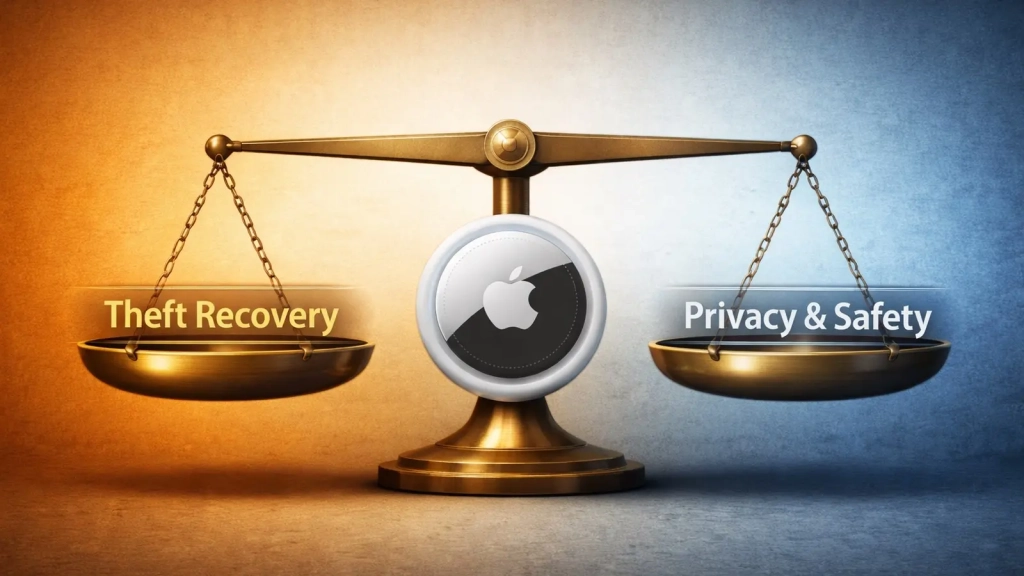
Apple’s AirTag: The Privacy Paradox That’s Driving Thieves and Stalkers Crazy
Apple’s AirTag has become one of the most controversial tracking devices of the decade, and for good reason. While it’s revolutionizing how we keep tabs on our belongings, it’s also creating a fascinating tug-of-war between privacy advocates, law enforcement, and everyday users who just want to find their stuff.
The AirTag 2: More Powerful Than Ever
The recently launched AirTag 2 takes precision tracking to new heights. My iPhone 17 can now connect to these tiny trackers at distances that seem almost magical, with the ability to point directly to their exact location. It’s like having a personal bloodhound in your pocket.
But here’s where things get complicated: when an AirTag-equipped item goes missing, the Find My network springs into action. Any iPhone that passes near a lost AirTag anonymously reports its location back to the owner. We’re talking about a network that spans continents, turning millions of Apple devices into a massive search party.
The Stalking Prevention Features That Frustrate Everyone
This is where Apple’s design philosophy creates friction. The same features that make AirTags excellent for finding lost items also make them terrible tools for criminals—and that’s exactly what Apple intended.
If you’re thinking about using an AirTag to track stolen property, you need to understand what you’re up against. iPhone users receive immediate notifications when an unknown AirTag is detected traveling with them. The Find My app then guides them directly to the tracker’s location. Even without a smartphone, AirTags separated from their owner for too long start emitting loud sounds to reveal their presence.
Think about it from both perspectives: the features that make it nearly impossible to secretly track a stolen bike are the exact same features that protect someone from being stalked. Apple can’t make AirTags better antitheft tools without simultaneously making them better stalking devices—and that’s a line the company refuses to cross.
The Dangerous Reality of DIY Justice
The story of Stephen Herbert serves as a sobering cautionary tale. After his scooter was stolen, Herbert used an AirTag to track it down directly. What happened next was brutal: the thieves beat him severely and took the scooter anyway. “I think about how dumb I was to confront somebody and maybe had my life ruined in a lot more serious way,” Herbert later reflected.
This isn’t an isolated incident. Law enforcement agencies across the country have repeatedly warned against using AirTags for personal confrontations. The risks simply aren’t worth it.
When AirTags Actually Work With Police
Contrast Herbert’s experience with a Virginia carpenter who used AirTags to track his stolen tools. Instead of confronting thieves himself, he provided the location data to police. This led to the discovery of approximately 15,000 stolen construction tools. One smart tip, one coordinated police response, and the carpenter became an unexpected hero.
The difference is crystal clear: one man tried to handle everything alone and ended up injured; another worked with law enforcement and helped solve a major crime spree.
The Mike Tyson Rule of AirTag Recovery
Before you consider tracking down stolen property yourself, remember Mike Tyson’s famous words: “Everyone has a plan until they get punched in the face.”
Just call the cops. You’ll get punched in the face less.
The Privacy Arms Race
Apple’s approach to AirTag security represents a fascinating evolution in tech company responsibility. While other tracking devices prioritize user convenience above all else, Apple has deliberately built friction into its system to prevent misuse.
This creates an interesting dynamic where the very people AirTags are designed to frustrate—thieves and stalkers—find themselves equally hamstrung by the same protective measures. It’s a rare example of technology being designed with potential victims in mind rather than just the primary users.
The Bottom Line
AirTags represent a delicate balance between utility and safety. They’re incredibly effective at helping you find lost items, but they’re deliberately limited in their ability to help you recover stolen ones. That limitation isn’t a bug—it’s a feature designed to protect the vulnerable.
If you choose to use AirTags for antitheft purposes, understand the limitations and risks. Work with law enforcement, not against potential criminals. And remember that in the privacy arms race, Apple has chosen to protect the many over empowering the few.
Tags: AirTag, Apple tracking, privacy technology, stolen property, stalking prevention, Find My network, iPhone security, personal safety, tech controversy, digital privacy, location tracking, criminal justice, smart devices, Apple ecosystem, security features
Viral Sentences:
- Apple built AirTag to protect victims, not help thieves
- The features that stop stalkers also stop you from tracking stolen goods
- One man got beaten for tracking his own scooter
- AirTag’s loudest feature? The privacy alarm that gives away hidden trackers
- Apple chose to frustrate criminals over empowering victims
- Your iPhone is now part of the world’s largest anti-stalking network
- The privacy paradox that’s driving everyone crazy
- Apple’s AirTag: Great for finding keys, terrible for catching thieves
- The tracking device that tracks the tracker
- When your lost item finds you first
,

Leave a Reply
Want to join the discussion?Feel free to contribute!