
Apple’s AirTag-Sized AI Pin: Everything We Know
Apple’s Revolutionary AI Pin: The Wearable That Could Redefine How We Interact with Technology
In a bold move that could reshape the wearable tech landscape, Apple is secretly developing an AI-powered wearable device that’s being internally referred to as the “AI Pin” or “AI Pendant.” This groundbreaking accessory, which could launch as early as 2027, represents Apple’s ambitious vision for the future of personal computing—one where artificial intelligence becomes an intimate, always-available companion.
The Design: Minimalist Elegance Meets Cutting-Edge Technology
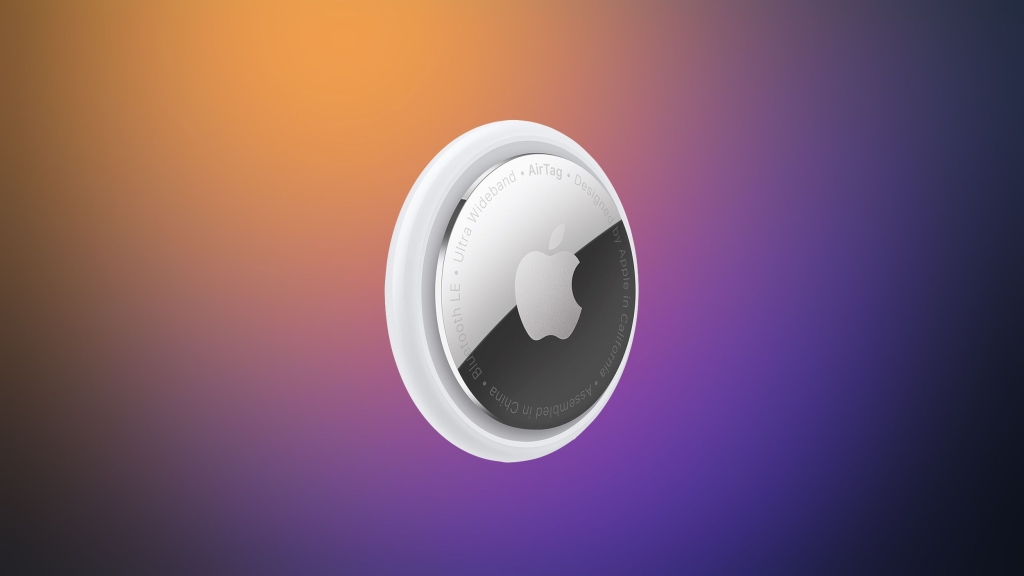
According to sources familiar with Apple’s development efforts, the AI Pin boasts a design philosophy that’s quintessentially Apple: deceptively simple yet meticulously engineered. The device resembles a sleek, flat disc approximately the size of an AirTag, featuring an aluminum and glass construction that feels both premium and durable.
The circular form factor houses a physical control button on one edge, providing tactile feedback in an increasingly touchless world. Apple engineers are working to maintain the AirTag’s compact footprint while accommodating the sophisticated hardware within, though the final product may be slightly thicker than its tracking counterpart.
Versatility is built into the design. Users can attach the AI Pin to clothing using a magnetic clip, secure it to a bag, or wear it as a necklace through a thoughtfully integrated hole at the top of the device. This adaptability ensures the AI Pin seamlessly integrates into various lifestyles and fashion preferences.
The Camera: A Window to Intelligent Assistance
Perhaps the most controversial aspect of the AI Pin is its camera system, where rumors have diverged significantly. Bloomberg reports that Apple is developing a low-resolution, always-on camera designed not for capturing memories but for providing the device with continuous environmental awareness. This camera would constantly analyze the wearer’s surroundings, feeding data to the AI assistant without the ability to take traditional photos or videos.
However, The Information presents a different perspective, suggesting Apple is planning a dual-camera system with both standard and wide-angle lenses capable of capturing high-quality photos and videos. This discrepancy highlights the experimental nature of the project and Apple’s internal debates about the device’s core functionality.
Regardless of the final implementation, the AI Pin will heavily leverage Visual Intelligence—Apple’s camera-based feature currently available on iPhones that identifies objects, translates text, and provides contextual information about the physical world. This technology transforms the AI Pin from a simple accessory into an intelligent observer that can recognize landmarks, read signs, identify products, and even assist with navigation.
Audio Intelligence: The Ears and Voice of Your Digital Assistant
The AI Pin incorporates at least one high-quality microphone, enabling natural conversations with Siri and capturing ambient sounds for environmental analysis. This audio capability transforms the device into a sophisticated listening post, capable of understanding context, detecting important sounds, and facilitating seamless voice interactions.
Apple faces a critical decision regarding audio output. While the company hasn’t finalized whether to include a built-in speaker, such a feature would enable true back-and-forth conversations with Siri, allowing users to receive responses without needing to check their iPhone. This would elevate the AI Pin from a passive accessory to an active communication device.
Siri Reimagined: The Brain Behind the Beauty
At the heart of the AI Pin lies a dramatically enhanced version of Siri, set to debut alongside iOS 18 and continue evolving through iOS 27. Apple is undertaking a massive overhaul of its virtual assistant, transforming it from a voice-activated tool into a full-fledged AI companion powered by advanced language models.
Thanks to Apple’s strategic partnership with Google, Siri will be powered by a version of Gemini, bringing it on par with industry leaders like Claude, Gemini, and OpenAI’s offerings. This collaboration provides Apple with access to cutting-edge AI capabilities while maintaining its commitment to user privacy and on-device processing.
The updated Siri promises capabilities far beyond today’s version. Users can expect natural, flowing conversations, complex task completion, proactive suggestions, and deep contextual understanding. The AI Pin essentially becomes an extension of this enhanced Siri, providing constant access to intelligent assistance wherever you go.
iPhone Integration: The Perfect Accessory Ecosystem
Unlike standalone AI devices that have struggled in the market, Apple is designing the AI Pin as an iPhone accessory rather than a replacement. The device contains a dedicated chip—similar to the H2 chip found in AirPods—but lacks the processing power for standalone AI operations. Instead, it relies on the iPhone for heavy computational tasks, functioning as the “eyes and ears” of Apple’s smartphone ecosystem.
This approach offers several advantages. It reduces manufacturing costs, extends battery life, and ensures seamless integration with existing Apple services. More importantly, it creates a compelling reason for iPhone users to remain within the Apple ecosystem, as the AI Pin’s full potential is unlocked only when paired with Apple’s smartphone.
The Competitive Landscape: Apple vs. OpenAI
Apple isn’t alone in pursuing AI wearables. OpenAI, in collaboration with former Apple design chief Jony Ive, is reportedly developing its own AI device powered by ChatGPT. Initially expected to launch sooner, this mysterious product has been delayed to 2027, potentially putting it on a collision course with Apple’s AI Pin.
OpenAI’s device is rumored to be a small, pocket-sized non-wearable, though it would still compete directly with Apple’s offering in the AI assistant space. The competition between these tech giants represents a fascinating clash: Apple’s integrated ecosystem approach versus OpenAI’s pure AI focus.
The market has already seen failures in this space, most notably the Humane AI Pin—a $700 standalone device that struggled to find its purpose. Apple appears to have learned from these missteps, focusing on integration rather than replacement and leveraging its existing user base rather than trying to create a new market from scratch.
Apple’s Broader AI Wearable Strategy
The AI Pin is just one piece of Apple’s comprehensive AI wearable strategy. The company is simultaneously developing AirPods with built-in infrared cameras capable of gathering environmental information, similar to the pin’s functionality. These camera-equipped AirPods Pro could arrive as early as this year, providing an early glimpse into Apple’s vision for AI-enhanced audio devices.
Even more ambitious is Apple’s work on smart glasses designed to compete with Meta’s Ray-Ban collaboration. These glasses will feature a high-resolution camera system for capturing photos and videos, plus a secondary camera dedicated to feeding visual data to Siri for environmental context. Unlike some competitors, Apple’s glasses won’t include embedded displays in the lenses, instead relying on audio feedback and iPhone integration for information delivery.
Launch Timeline: The Long Road to 2027
Development of the AI Pin remains in its early stages, and Apple executives haven’t committed to a final release. The project could still be canceled if technical challenges prove insurmountable or if market conditions change dramatically.
However, if development proceeds as planned, 2027 represents a realistic launch window. This timeline allows Apple to perfect the technology, build a robust software ecosystem, and create compelling use cases that justify the device’s existence. It also aligns with the company’s typical product development cycles and gives Apple time to address any privacy concerns that may arise from an always-on, always-listening device.
The delayed launch also positions Apple strategically against competitors. By 2027, AI technology will have matured significantly, potentially offering capabilities that make the AI Pin not just novel but genuinely useful. Apple’s patience could prove to be one of its greatest advantages in this emerging market.
Tags: #Apple #AI #WearableTech #Siri #iOS18 #iOS27 #SmartAccessories #FutureTech #TechInnovation #AIAssistant #iPhoneEcosystem #SmartWearables #AppleGlass #AirPodsPro #TechRumors #2027Launch #ArtificialIntelligence #VoiceAssistant #VisualIntelligence #TechNews
Viral Phrases:
“This changes everything we know about personal computing”
“Apple’s secret weapon in the AI wars”
“The device that makes your iPhone feel incomplete”
“Always listening, always helping, never intrusive”
“Apple’s boldest hardware bet since the iPhone”
“When your clothes become your computer”
“The end of pulling out your phone”
“AI that sees what you see, hears what you hear”
“Apple’s answer to the Humane AI Pin disaster”
“The wearable that finally makes sense”
“2027: The year Apple redefines wearable tech”
“Your personal AI companion, now in pin form”
“The camera that doesn’t take pictures”
“Siri’s biggest upgrade ever is coming”
“Apple’s ecosystem gets even stickier”
“The device that proves Apple still innovates”
“AI that lives on your lapel”
“When fashion meets artificial intelligence”
“The accessory that makes your iPhone smarter”
“Apple’s long game in ambient computing”
,


Leave a Reply
Want to join the discussion?Feel free to contribute!