
Are high gas prices good news for EVs? It’s complicated.
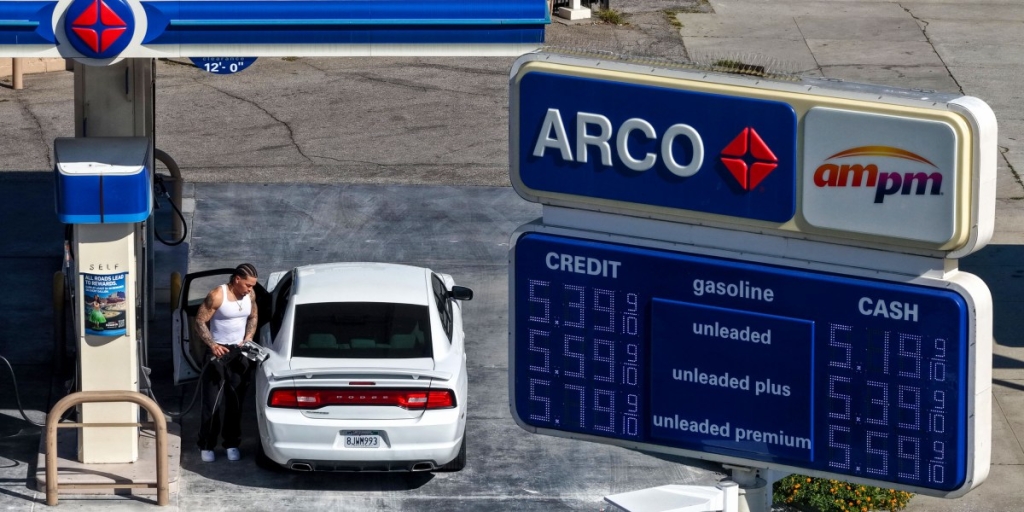
The global energy market is once again in turmoil, and this time, the shockwaves are rippling through every corner of the economy—from the gas pump to the grocery store. A recent conflict in the Middle East has sent oil prices soaring, reigniting debates about energy independence, electric vehicles (EVs), and the future of transportation. But as consumers weigh their options, the true cost of fossil fuel volatility is becoming painfully clear.
A new survey from Cox Automotive reveals that most U.S. consumers would consider switching to an EV or hybrid if gas prices hit $6 per gallon. This isn’t the first time high fuel costs have pushed people toward greener alternatives. In the summer of 2022, Russia’s invasion of Ukraine triggered a similar surge in prices, sparking renewed interest in electric vehicles. Now, with tensions escalating in Iran, experts like Elaine Buckberg, a senior fellow at Harvard, believe we could be on the cusp of another EV boom.
As a climate and energy reporter, I’m always encouraged to see people making the switch to electric. After all, reducing greenhouse gas emissions is critical to combating climate change. But there’s a bigger picture here—one that’s often overlooked. Even if you’ve already made the leap to an EV, you’re not immune to the ripple effects of high fossil fuel prices.
Fuel costs account for 50% to 60% of the price of shipping goods overseas. That means everything from your favorite imported snacks to the latest gadgets could soon get more expensive. And it’s not just transportation—fertilizer production relies heavily on natural gas, which has skyrocketed in price since the conflict began, especially in Europe. This could drive up food prices, hitting consumers where it hurts most.
The aviation industry is also feeling the pinch. According to the International Air Transport Association, jet fuel prices have doubled in the last month. Since fuel accounts for about a quarter of an airline’s operating costs, expect to see higher ticket prices and more expensive air-shipped goods in the near future.
And let’s not forget the broader economic impact. If these trends lead to a downturn, it could spell trouble for big projects—even renewable energy initiatives like wind and solar farms—that rely on financing. Borrowing money to buy a home or a car, including an EV, could also become more challenging.
So, while high gas prices might nudge you toward an electric vehicle, the reality is that we’re all in this together. Until we can truly decarbonize not just transportation but our entire economy, even those of us without cars will feel the pinch. The road to a sustainable future is long, and it’s going to take more than just switching to an EV to get there.
This article is from The Spark, MIT Technology Review’s weekly climate newsletter. To receive it in your inbox every Wednesday, sign up here.
Tags & Viral Phrases:
- Gas prices hit $6 per gallon
- EV boom 2026
- Fossil fuel volatility
- Climate change and energy independence
- Electric vehicles vs. hybrids
- Middle East conflict and oil prices
- Greenhouse gas emissions
- Shipping costs skyrocket
- Natural gas prices soar
- Fertilizer production crisis
- Jet fuel prices double
- Airline ticket prices increase
- Economic downturn and renewable energy
- Decarbonizing the economy
- Sustainable future challenges
- High gas prices affect everyone
- EV adoption trends
- Energy market turmoil
- Climate newsletter insights
- MIT Technology Review analysis
,


Leave a Reply
Want to join the discussion?Feel free to contribute!