
Are Ireland’s professionals prioritising AI education?
Ireland’s AI Training Landscape: The Push for Standardised Certification
In a rapidly evolving digital world, artificial intelligence (AI) is no longer a niche skill—it’s becoming as fundamental as web navigation was in the early days of the internet. Yet, as companies across Ireland and globally race to adopt AI-driven processes, a glaring issue has emerged: the lack of structured, recognised AI education pathways. This skills gap threatens to leave professionals behind, while employers struggle to identify truly competent talent in an increasingly chaotic training market.
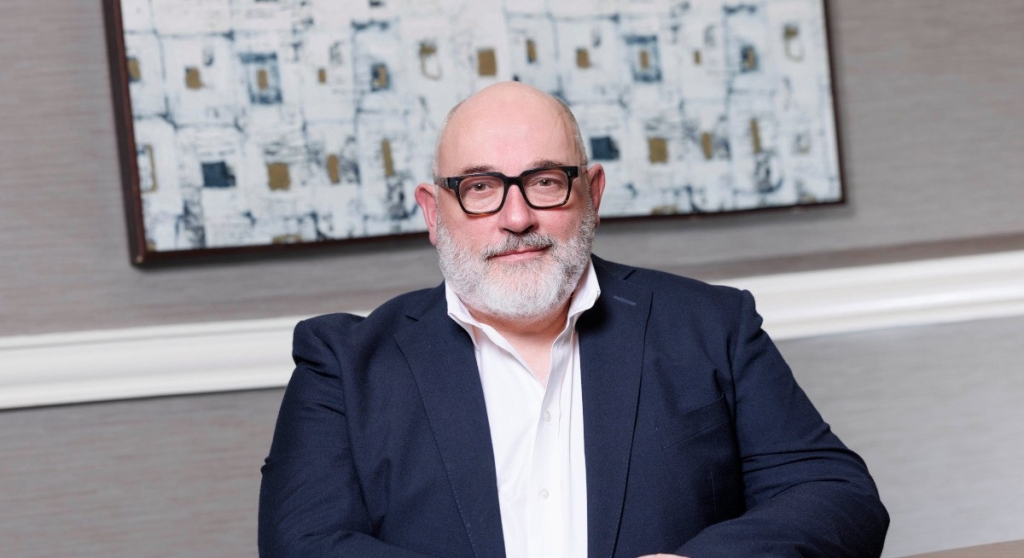
Ian Dodson, founder and CEO of AICertified and co-founder of the Digital Marketing Institute, has been vocal about the urgent need for standardised AI certification. Speaking to SiliconRepublic.com, Dodson painted a picture of a fragmented AI training scene in Ireland, where most professionals are cobbling together skills from quick online courses, company workshops, YouTube tutorials, and self-directed learning. While these methods may provide a basic understanding, they rarely offer the structured training or widely recognised qualifications that both learners and employers need.
“Ireland’s AI training scene is growing fast, but it’s still all over the place,” Dodson explained. “Most people are picking up skills through quick courses, company-run workshops, online videos, or just teaching themselves with YouTube and similar platforms. These can help you get started, but they don’t usually offer proper, structured training or widely recognised qualifications.”
This lack of standardisation creates a major problem: it’s nearly impossible for employers to distinguish between those who have genuinely mastered AI and those who have only dabbled. As a result, skill levels across the workforce are inconsistent, and credentials often lack credibility. Dodson argues that this is where industry-validated, institutionally aligned programmes have a crucial role to play in building a future-ready workforce.
The Case for Formal AI Certification
For Dodson, the solution lies in creating a clear, measurable framework for AI competence. He believes that professionals need a trusted way to demonstrate the depth of their knowledge, and that a formal qualifications system can provide both an entry point and a progression route for those looking to build long-term AI skills.
“This lets people prove they can actually use AI well and appropriately at work, not just mess around with the tools. For employers, it takes the guesswork out of hiring or training and helps make sure people’s skills actually match what companies need.”
By developing a standard that carries academic accreditation and is recognised by key industry figures, Dodson sees the potential to build trust and consistency in a field that is currently “pretty uncertain.” He emphasises that formal accreditation ensures that learning meets rigorous standards, while industry input guarantees that the skills taught are relevant and applicable in real-world jobs.
“Put together, it gives employers something solid to go by when hiring or training people and it gives learners a qualification that shows they really know their stuff, not just that they’ve played around with some AI tools.”
The Challenges of the Current Market
One of the biggest challenges in today’s AI training market is the overemphasis on tool usage without a deep understanding of foundational concepts. Many courses focus on how to use specific AI applications, but fail to teach the underlying principles that make someone truly proficient. Additionally, the lack of consistency in teaching methods and grading systems makes it difficult to assess real competence.
“Pretty much anyone can set up a course and say they teach AI, but there’s often no good way to tell if people have actually learned anything useful,” Dodson noted. “So, certificates might just mean someone showed up, and companies can’t be sure that training actually leads to real skills.”
On a broader scale, connecting AI education to the European Qualifications Framework would ensure that Irish certifications meet wider European expectations and benchmarks. This alignment would make qualifications more respected and portable across borders, giving Irish professionals a competitive edge in the global job market.
“The framework sets out what skills and knowledge people should have at different levels, so AI courses can match up to these standards. That way, Irish professionals can prove what they know wherever they go in Europe, and it makes the qualifications more respected and useful.”
No One Left Behind
In today’s job market, knowing how to use AI responsibly and effectively is becoming as vital as digital literacy was a decade ago. As AI is increasingly integrated into everyday tasks—from data collection and administration to content creation—those who lack these skills risk being left behind.
“If you don’t pick up these skills, you might miss out on a lot of new opportunities. AI isn’t just for specialists any more, it’s becoming a must-have skill in most jobs.”
Dodson stresses that the responsibility for bridging this gap doesn’t fall on individuals alone. Government bodies, colleges, and businesses must work together to build a cohesive system that turns ambitious plans into real, measurable skills.
“Government, colleges and businesses all need to be pulling in the same direction, not just offering more courses, but actually building a joined-up system that turns big plans into real skills.”
The Road Ahead
Ultimately, the real challenge in AI education isn’t just about access to tools and technologies—it’s about establishing clear, trusted learning pathways for those who want to future-proof their careers. As AI becomes a normal part of business and daily life, the need for proper qualifications and training that truly mean something will only grow.
“If Ireland gets these standards in place soon, it’ll help make sure AI is used well and for the right reasons, not just as a gimmick.”
Tags: AI certification, AI training, upskilling, Ireland AI, digital skills, future of work, AICertified, European Qualifications Framework, AI education, workforce development
Viral Sentences:
- “AI isn’t just for specialists any more, it’s becoming a must-have skill in most jobs.”
- “If you don’t pick up these skills, you might miss out on a lot of new opportunities.”
- “Certificates might just mean someone showed up, and companies can’t be sure that training actually leads to real skills.”
- “If Ireland gets these standards in place soon, it’ll help make sure AI is used well and for the right reasons, not just as a gimmick.”
- “The real challenge in AI education isn’t just about access to tools and technologies—it’s about establishing clear, trusted learning pathways.”
,

Leave a Reply
Want to join the discussion?Feel free to contribute!