
Are the Sonos Ace still worth it in 2026? I’ve tested dozens of headphones, and it’s a resounding yes
Sonos Ace Headphones Review: A Year Later – Still Worth It?
By [Your Name] – Technology Correspondent
June 5, 2025 – When Sonos launched its first-ever consumer headphones in June 2024, the tech world buzzed with anticipation. The Sonos Ace promised to bring the company’s renowned audio quality and ecosystem integration to a personal listening experience. Now, after a year and a half of real-world testing, we revisit these premium headphones to see if they’ve held up or if the initial excitement has faded.
The Bottom Line
- For Sonos owners: The Ace are a no-brainer if you want private TV watching without disturbing others
- For everyone else: Sony and Bose offer better value at this price point
- The verdict: Excellent within the Sonos ecosystem, but limited appeal outside it
Design and Comfort: Where Sonos Shines
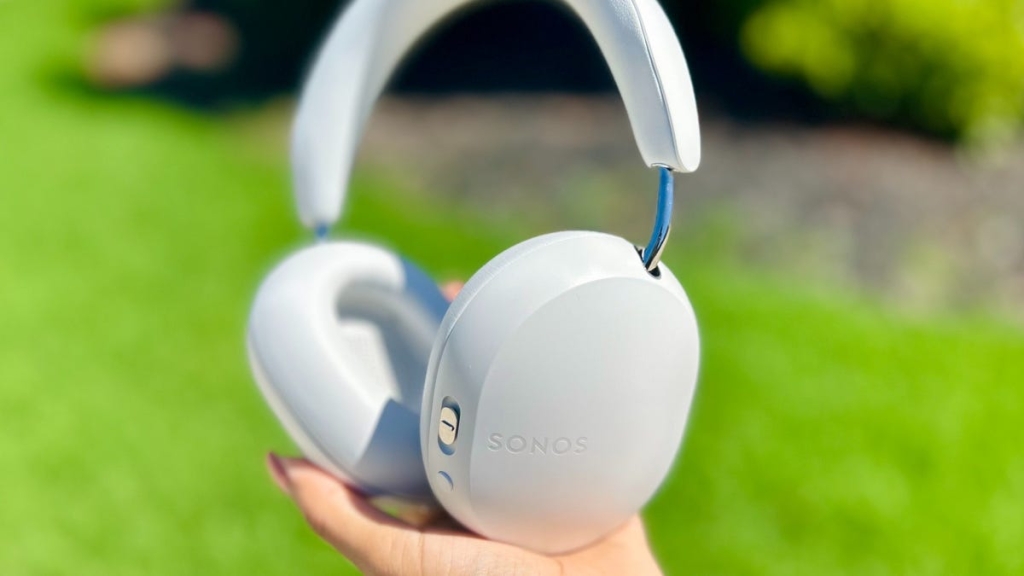
The Sonos Ace immediately stand out with their sophisticated design language. Unlike the somewhat utilitarian Sony WH-1000XM6 or the sporty Bose QuietComfort Ultra 2, the Ace feature clean lines and slimmer earcups that embody Sonos’ modern aesthetic.
The standout design element is the “Content Key” – a multifunction button on the right earcup that you can press or slide to control various functions. Unlike Apple’s digital crown or Sony’s touch controls, this textured button is easily identifiable by touch and placed in an ergonomic position that makes it intuitive to use.
After months of daily use, I can confidently say these are the most comfortable headphones I’ve worn. They’re lighter than Apple’s AirPods Max, offer a more relaxed clamping force than Sony’s latest flagship, and have wider earcups than Bose’s offering. Whether I’m working at my desk for hours, traveling across time zones, or binge-watching shows late at night, the Ace remain comfortable throughout.
Sound Quality: Vibrant but Specialized
The Ace deliver a sound signature that’s immediately recognizable – vibrant, lively, and dynamic with prominent bass and treble response. The wider soundstage compared to the Bose QuietComfort Ultra and Dolby Atmos compatibility create an immersive experience perfect for movies and TV shows.
However, the sound profile reveals its limitations upon closer inspection. The bass can become muddy at higher volumes, and while there’s an enjoyable treble shine, the overall presentation lacks the detail you’d find in Sony’s offerings. The Sonos app includes a limited equalizer, but if you want granular control over your audio, Sony’s headphones provide significantly more customization options.
The Ace excel with genres that match their energetic character – pop, electronic, and hip-hop sound fantastic. But for critical listening across diverse genres, you might find yourself wanting more nuance and clarity.
The Game-Changer: TV Audio Swap
Here’s where the Sonos Ace truly differentiate themselves from the competition. The TV Audio Swap feature allows seamless connection between the headphones and compatible Sonos soundbars – and it’s genuinely revolutionary for certain use cases.
Unlike Bose’s earlier implementation that relied on Bluetooth, Sonos uses Wi-Fi connectivity. This means lower latency, more stable connections, and the ability to move freely around your home without audio dropouts. I initially dismissed this feature as a gimmick, but it’s become indispensable in my daily life.
My partner works overnight shifts, and TV Audio Swap has transformed our living situation. I can watch movies or play video games at full volume while he sleeps peacefully in the next room. The feature also works brilliantly for casual listening throughout the house – I can start watching something in the living room and continue listening in the kitchen without missing a beat.
The summer 2025 software update added multi-user support, allowing two pairs of Ace headphones to connect to a single soundbar. This mirrors Apple’s functionality but with the added benefit of Wi-Fi connectivity. The introduction of TrueCinema, which calibrates the headphones based on your room’s acoustics, further enhances the spatial audio experience.
The Achilles’ Heel: Microphone Performance
Despite their strengths, the Ace have a critical weakness that prevents them from being the definitive choice at their $400 price point: microphone quality and noise cancellation.
The Ace struggle in real-world environments. While the adaptive noise cancellation algorithm improved significantly with the 2025 update, it’s most effective in controlled indoor environments. The headphones handle steady-state noises like fans and air conditioners reasonably well, but they falter with traffic noise, conversational chatter, and sudden loud sounds.
Voice pickup during calls is adequate but not exceptional. When compared to Bose and Sony’s offerings, the Ace fall noticeably short in both active noise cancellation and voice isolation. This is particularly disappointing given the premium price point.
The SideTone feature, which lets you hear yourself while speaking, works well in quiet environments but doesn’t compensate for the underlying microphone limitations in noisier settings.
Should You Buy the Sonos Ace?
Buy them if:
- You already own Sonos soundbars and want seamless integration
- You need a private listening solution for TV watching
- You primarily use headphones in quiet to moderately noisy environments
- You value comfort and design over absolute audio fidelity
Look elsewhere if:
- You don’t own Sonos products (the ecosystem lock-in is real)
- You need superior noise cancellation for commuting or travel
- You want the best possible audio quality across all genres
- You need excellent voice call quality in noisy environments
The Competition
At $400, the Sonos Ace face stiff competition. The Apple AirPods Max ($549) offer better ecosystem integration with iOS devices and superior active noise cancellation. The Sony WH-1000XM6 ($428) deliver more detailed sound with extensive equalizer options and class-leading noise cancellation. The Bose QuietComfort Ultra 2 ($429) provide reliable performance across all environments with excellent microphone quality.
Final Verdict
The Sonos Ace are excellent headphones – but only within their intended context. If you’re already invested in the Sonos ecosystem and value the TV Audio Swap feature, they’re a fantastic choice that enhances your existing setup. The comfort, design, and ecosystem integration are genuinely impressive.
However, if you’re shopping for premium headphones without Sonos products, you’ll find better all-around performers from Sony and Bose for similar or slightly higher prices. The Ace’s limitations in noise cancellation and microphone performance, combined with their ecosystem dependency, make them a niche product rather than a universal recommendation.
For Sonos fans, the Ace are a must-consider. For everyone else, they’re worth auditioning but probably not worth the premium price tag.
Tags: #SonosAce #HeadphonesReview #TechReview #Sonos #AudioEquipment #TVAudioSwap #NoiseCancellation #PremiumHeadphones #SmartHome #WirelessAudio
Viral Phrases: “Game-changing TV Audio Swap feature,” “Most comfortable headphones I’ve ever worn,” “Sonos ecosystem lock-in,” “Revolutionary private TV listening,” “The Achilles’ heel of premium headphones,” “Worth it for Sonos fans, but limited appeal otherwise,” “Comfort meets cutting-edge technology,” “The feature I didn’t know I needed until I had it,” “Premium price, premium problems”
,


Leave a Reply
Want to join the discussion?Feel free to contribute!