
ASUS Linux HID Driver Preparing To See Support For Newer Devices
ASUS HID Driver Development Revives with Fresh Patches for Linux Gaming Hardware
Linux users with ASUS gaming devices have reason to celebrate as active development returns to the open-source HID (Human Interface Device) driver ecosystem. After a period of reduced activity, Italian developer Denis Benato has stepped up to advance support for ASUS hardware on Linux systems, bringing renewed momentum to what many consider crucial infrastructure for gaming enthusiasts.
A Changing of the Guard in ASUS Linux Development
The transition of maintainership marks a significant moment for the ASUS Linux community. According to Benato’s announcement on the Linux kernel mailing list, the previous asus-wmi maintainer and asus-linux developer has become less active, leaving Benato in charge of advancing support for ASUS equipment on Linux platforms.
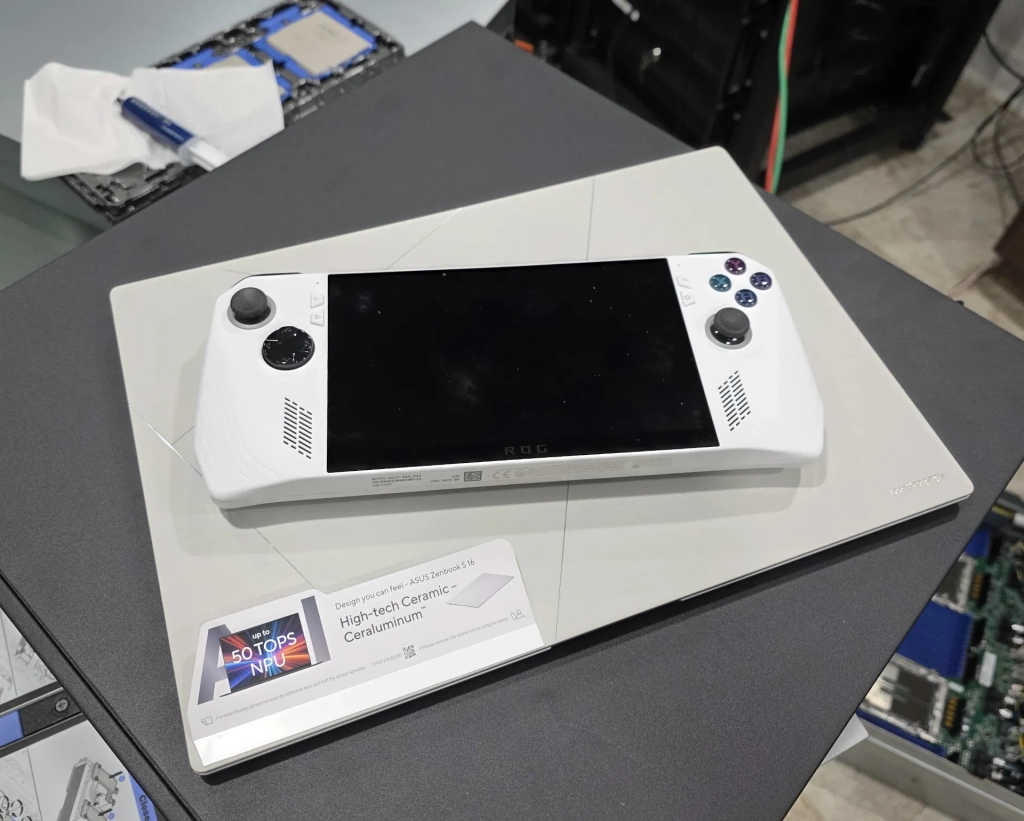
This change in leadership comes at a particularly opportune time, as Benato is preparing to send a comprehensive patchset that will support ASUS ROG Ally handheld devices. The timing is strategic—these changes won’t just benefit current hardware but will also lay crucial groundwork for supporting 2025 model releases.
“The work I’m doing is also useful in expanding support for 2025 models,” Benato explained, emphasizing that “it is important to improve the hid-asus driver as future patches will build on top of these changes.” This forward-looking approach demonstrates the kind of strategic development thinking that keeps Linux hardware support relevant and robust.
The Technical Nitty-Gritty: What’s Actually Changing?
Benato’s recent contribution includes seven patches to the hid-asus driver, primarily focused on various fixes but also introducing support for the XG Mobile Station 2022. The implementation for the XG Mobile Station 2022 turned out to be relatively straightforward—it required only a different device ID from the newer 2023 model that’s already supported by the Linux kernel.
This incremental approach to hardware support is characteristic of good kernel development practices. Rather than attempting massive overhauls, Benato is building methodically on existing foundations, ensuring stability while expanding compatibility.
Why This Matters for the Linux Gaming Ecosystem
While the patch series itself might not seem revolutionary at first glance, the renewed activity around the ASUS HID driver carries significant weight for several reasons:
ROG Gaming Dominance: ASUS ROG (Republic of Gamers) products have become increasingly popular among Linux gamers. From high-performance laptops to the innovative ROG Ally handheld gaming device, ASUS has carved out a substantial presence in the gaming hardware market that Linux users want to tap into.
Hardware Diversity: ASUS produces a wide range of devices that appeal to different segments of the Linux community—from hardcore gamers to content creators and general enthusiasts. Better driver support means more people can confidently choose ASUS hardware knowing it will work seamlessly with their Linux systems.
Future-Proofing: By focusing on both current and upcoming hardware, Benato’s work ensures that Linux users won’t be left behind as ASUS releases new products. This proactive approach is essential for maintaining Linux’s competitiveness as a gaming platform.
The Broader Context: Linux Gaming’s Ascent
This development arrives during what many consider a golden age for Linux gaming. With Valve’s Steam Deck popularizing Linux-based handheld gaming and Proton enabling Windows game compatibility, the ecosystem has never been more vibrant. ASUS’s ROG Ally, which runs Windows by default but is easily modified to run Linux, represents another front in this expanding universe.
Having robust, native driver support means Linux users can extract maximum performance from their hardware without relying on compatibility layers or workarounds. For competitive gamers and enthusiasts, this native support can make the difference between a good experience and an exceptional one.
What’s Next for ASUS Linux Support?
Looking ahead, Benato’s roadmap suggests continued expansion of ASUS hardware compatibility. The focus on 2025 models indicates that the development isn’t just reactive but anticipatory—building infrastructure that will support hardware that doesn’t even exist yet.
For Linux users invested in the ASUS ecosystem, this represents stability and confidence. No longer will new ASUS purchases come with the uncertainty of whether they’ll work properly on Linux systems. Instead, users can expect out-of-the-box compatibility or, at worst, quick turnaround times for driver support.
Community Impact and Open Source Collaboration
The transition also highlights the collaborative nature of open-source development. When one maintainer steps back, the community adapts, with capable developers like Benato stepping up to fill the gap. This resilience is one of open source’s greatest strengths.
For developers looking to contribute to hardware support, Benato’s work serves as an excellent example of methodical, well-documented kernel development. The patch series demonstrates how to approach hardware compatibility improvements systematically, with attention to both immediate needs and long-term maintainability.
Tags & Viral Elements:
ASUS ROG Ally Linux support, Linux gaming hardware 2025, open-source HID driver development, Denis Benato kernel patches, ASUS Linux compatibility breakthrough, gaming handheld Linux support, XG Mobile Station Linux driver, ROG gaming laptop Linux support, Linux kernel mailing list updates, ASUS hardware Linux future-proofing, gaming on Linux ecosystem growth, Steam Deck competitor Linux support, Linux gaming community excitement, open-source hardware driver revival, ASUS Linux enthusiast community, kernel development patch series, gaming hardware Linux compatibility, Linux gaming golden age, ASUS ROG Linux ecosystem, hardware driver maintainership transition, Linux gaming performance optimization, open-source gaming hardware support, ASUS Linux gaming revolution, kernel driver development activity, Linux gaming hardware compatibility, ASUS ROG Ally Linux gaming, gaming laptop Linux support, Linux gaming community growth, open-source hardware development, ASUS Linux driver updates, gaming ecosystem Linux expansion, hardware support Linux development, Linux gaming hardware future, ASUS Linux community collaboration, kernel driver patch development, Linux gaming hardware optimization, open-source gaming support, ASUS Linux gaming ecosystem, gaming hardware Linux compatibility, Linux gaming hardware innovation, open-source driver development activity, ASUS Linux gaming community, kernel driver maintainership, Linux gaming hardware support, ASUS Linux gaming future, gaming ecosystem Linux support, open-source hardware collaboration, Linux gaming hardware development, ASUS Linux gaming revolution
,


Leave a Reply
Want to join the discussion?Feel free to contribute!