
Audiophiles Can’t Hear The Difference Between Copper Wires And A Banana
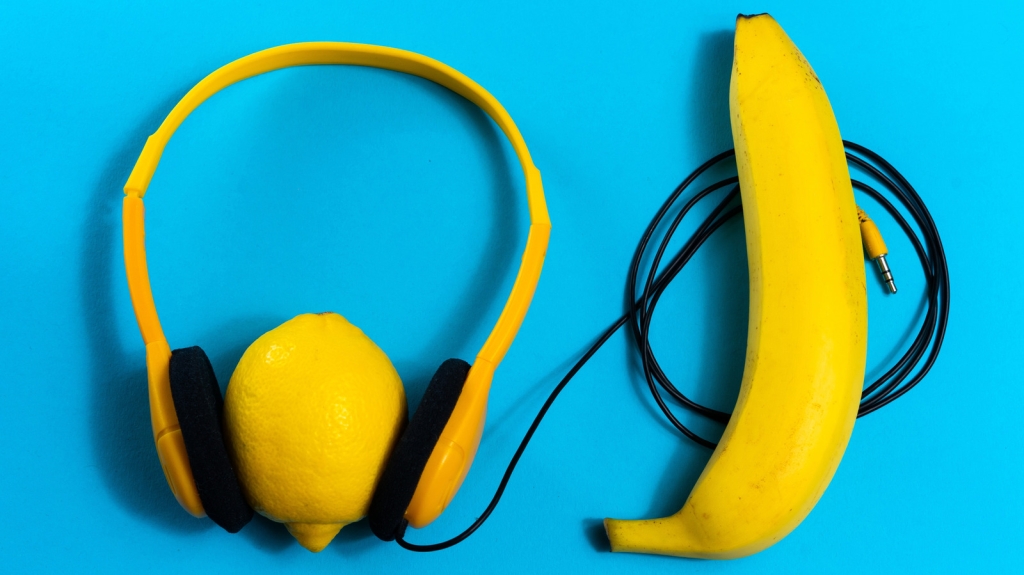
The Great Audio Experiment: Can You Hear the Difference Between Copper Wire and a Banana?
In a world where audiophiles swear by the purity of their equipment and the nuances of sound quality, a recent experiment has turned the audio community on its head. What if we told you that a banana, a tray of wet mud, and some copper wire could produce audio that’s virtually indistinguishable from each other? That’s exactly what happened in a blind test conducted by the diyAudio community, and the results are both surprising and hilarious.
The Setup: Bananas, Mud, and Copper Wire?
It all started when a diyAudio forum moderator, Pano, decided to put audiophiles to the test. Participants were given a set of audio files to listen to, but there was a twist: the recordings weren’t made with high-end audio equipment. Instead, they were captured using a banana, a tray of wet mud, and lengths of copper wire. Yes, you read that right—a banana.
The audio files included a mix of songs by well-known artists like Etta Jones and Nirvana, as well as piano instrumentals. Each track was presented four times: in its original CD format and three times as re-recordings using the unconventional methods mentioned above. The goal? To see if participants could tell the difference between the recordings.
The Results: A Stunning Failure (or Success?)
The results were nothing short of astonishing. Almost everyone who took part in the test couldn’t tell the recordings apart. Correct answers were few and far between, suggesting that the differences between the audio files were either non-existent or too subtle to be detected by the human ear. This doesn’t necessarily mean that the recordings were identical, but it does highlight how difficult it is to discern minor audio quality differences, especially when they’re masked by other factors.
Why Can’t We Hear the Difference?
There are a few reasons why the audio files sounded so similar, despite the unconventional recording methods. One explanation is that the banana, mud, and copper wire likely functioned as resistors in series, meaning they allowed roughly the same amount of current to flow through them. This would result in minimal differences in audio quality, such as electronic interference or other artifacts that might be noticeable to the average listener.
Another factor is human perception. Our brains are incredibly good at filling in the blanks when it comes to sensory information, including sound. This means that we might not notice small differences between tracks, especially if we’re already familiar with the music. For example, if you’re listening to a Nirvana song, your brain might automatically fill in the gaps based on your memory of the track, making it harder to detect subtle changes in quality.
Are There Any Differences Between the Audio Files?
While the human ear might not be able to detect the differences, that doesn’t mean they don’t exist. To get a closer look, we used audio analysis software called Sonic Visualiser to compare the tracks. We examined the spectrograms and waveforms of each recording to see if there were any visual differences.
Surprisingly, the tracks looked almost identical. Spectrograms, which show the frequencies present in a sound, and waveforms, which display the loudness of a sound over time, revealed only minor variations between the recordings. For instance, one track appeared to be in mono, while another was slightly offset from the others. However, there were no major giveaways that one track was recorded with a banana.
The Takeaway: Does It Really Matter?
This experiment raises an interesting question: does it really matter if we can’t hear the difference between high-end audio equipment and a banana? For most people, the answer is probably no. Unless you’re a professional audio engineer or a hardcore audiophile, the nuances of sound quality might not be as important as you think.
That said, this experiment also highlights the importance of perception in audio quality. Our brains play a significant role in how we experience sound, and sometimes, the placebo effect can be just as powerful as the actual quality of the equipment. So, the next time you’re debating whether to splurge on that expensive audio cable, remember: it might not make as much of a difference as you think.
Tags and Viral Phrases
- “Audiophiles can’t tell the difference between copper wire and a banana”
- “The great audio experiment”
- “Blind test reveals shocking results”
- “Banana vs. copper wire: Which sounds better?”
- “Wet mud audio recordings”
- “DIY audio equipment”
- “Audio quality myths debunked”
- “The placebo effect in audio”
- “Nirvana sounds the same on a banana”
- “Audiophile fails: When bananas outperform copper”
- “The truth about audio perception”
- “Why your expensive cables might not matter”
- “The science of sound: Bananas, mud, and copper”
- “Audio experiment goes viral”
- “Can you hear the difference? Probably not.”
- “The banana audio test: A hilarious revelation”
- “DIY audio: Fun with fruits and wires”
- “Audio quality: It’s all in your head”
- “The ultimate audiophile challenge”
- “When a banana beats copper in audio tests”
This experiment is a reminder that sometimes, the simplest solutions can be just as effective as the most expensive ones. So, the next time you’re setting up your audio system, don’t be afraid to get a little creative—you might just discover that a banana is all you need.
,


Leave a Reply
Want to join the discussion?Feel free to contribute!