
Back To The Future’s Original Time Machine Was Far More Ridiculous
Back to the Future’s Original Time Machine Was Far More Ridiculous Than You Ever Imagined
In the pantheon of timeless sci-fi classics, few films have left as indelible a mark as Robert Zemeckis’ 1985 masterpiece, Back to the Future. Starring Michael J. Fox as the lovable Marty McFly, the film seamlessly blends science fiction with ’80s nostalgia, humor, and heart. While it may not be the most scientifically accurate sci-fi film out there, its charm and rewatchability are undeniable. But did you know that the original script for Back to the Future was even more outlandish than the final version we all know and love? Strap in, because this is a wild ride through cinematic history.
The Audition That Revealed a Hidden Gem
Before Michael J. Fox was cast as Marty McFly, several actors auditioned for the role, including Jon Cryer, best known for his role in Two and a Half Men. A few years ago, Cryer took to social media to share a fascinating tidbit about his audition experience. The script he read during his audition had some significant differences from the film’s final version—differences that would have made the movie even more bizarre.
The Original Time Machine: A Refrigerator?
One of the most jaw-dropping revelations was the original ending of the film. In the version Cryer read, Marty didn’t travel back to the future via a lightning bolt hitting the clock tower. Instead, he harnessed the power of an atomic bomb to activate a time-travel laser attached to a refrigerator, which was itself attached to a truck. To protect himself from the radiation, Marty hid inside a lead-lined refrigerator. Cryer described the scene as follows: “He climbs in, closes the door behind him, the bomb goes off, the time machine activates, and he goes back to the future.”
Yes, you read that right. The original time machine was a refrigerator. While this concept might sound like something out of a fever dream, it was very much part of the initial script. The sheer audacity of the idea is enough to make any Back to the Future fan do a double-take.
Why the Refrigerator Scene Was Scrapped
If the original ending sounds convoluted, that’s because it is. But the real reason the film’s producers opted to change it had nothing to do with the plot’s complexity. The decision to pivot from a refrigerator to a DeLorean as the main time-travel mechanism was largely influenced by Steven Spielberg, who served as an executive producer on all three Back to the Future films.
Spielberg was concerned that children might mimic the scene and start climbing into refrigerators, potentially getting stuck or injured. This fear, while understandable, is ironic given that Spielberg later recycled the same idea in the 2008 film Indiana Jones and the Kingdom of the Crystal Skull, which he directed. In that film, Indiana Jones survives a nuclear blast by hiding inside a lead-lined refrigerator.
The fact that Spielberg used the same concept more than two decades later suggests that his fears about children climbing into kitchen appliances may have eased over time, possibly due to improvements in refrigerator safety. This anecdote also highlights Spielberg’s knack for predicting modern technology, a trait that has become a hallmark of his career.
The DeLorean: A Stroke of Genius
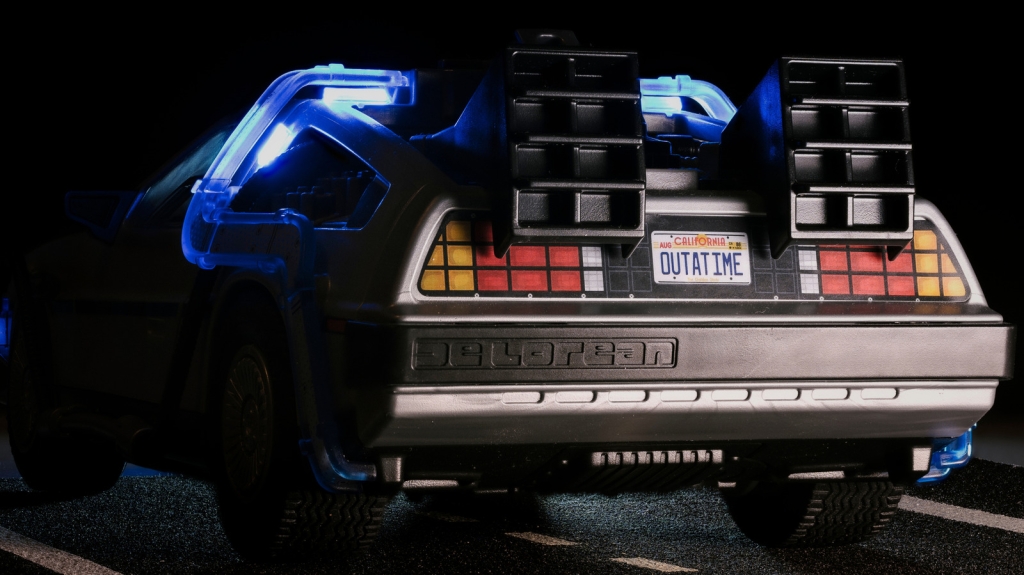
The decision to replace the refrigerator with a DeLorean was nothing short of genius. The sleek, futuristic design of the DeLorean perfectly complemented the film’s sci-fi premise, while its gull-wing doors and stainless steel body made it an iconic symbol of the 1980s. The DeLorean’s transformation into a time machine, complete with the now-famous flux capacitor, has become one of the most recognizable images in cinematic history.
A Legacy That Endures
Back to the Future has left an indelible mark on popular culture, inspiring countless homages, parodies, and even scientific discussions about the feasibility of time travel. The film’s enduring appeal lies in its ability to blend humor, heart, and high-concept science fiction into a cohesive and entertaining narrative. While the original script may have been more ridiculous, the final version strikes the perfect balance between creativity and coherence.
As we look forward to new sci-fi films in 2026, it’s worth taking a moment to appreciate the genius of Back to the Future and the creative decisions that made it the classic it is today. Whether you’re a die-hard fan or a casual viewer, there’s no denying the film’s impact on the genre and its place in the annals of cinematic history.
Tags & Viral Phrases:
BackToTheFuture #TimeTravel #DeLorean #RefrigeratorTimeMachine #StevenSpielberg #MichaelJFox #JonCryer #SciFiClassics #80sNostalgia #IndianaJones #NuclearBlast #FluxCapacitor #CinematicHistory #MovieTrivia #CultClassic #RewatchableMovies #SciFiMovies #FilmTrivia #BehindTheScenes #MovieFacts #ViralContent #TechPredictions #ModernTech #MovieMagic #IconicFilms #TimelessClassics #MovieLegends #HollywoodHistory #SciFiFans #MovieBuffs #FilmEnthusiasts
,
Leave a Reply
Want to join the discussion?Feel free to contribute!