
Baidu-backed Apollo Go starts public driverless taxi service in Abu Dhabi · TechNode
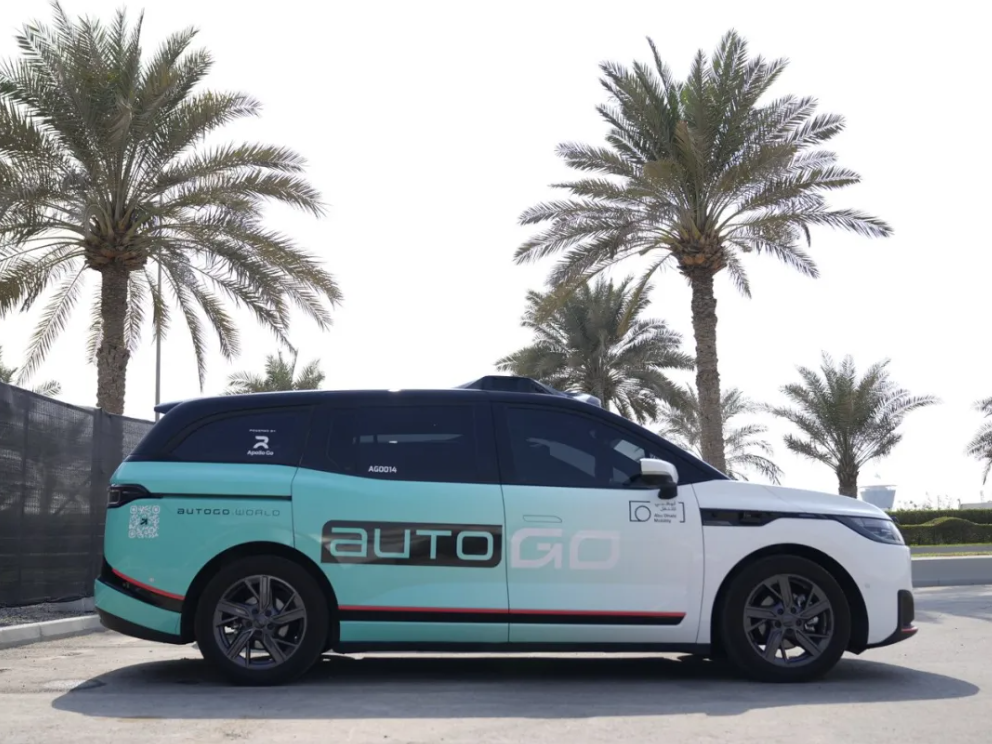
Baidu’s Apollo Go Launches First Overseas Fully Driverless Ride-Hailing Service in Abu Dhabi
In a groundbreaking move that signals the rapid global expansion of autonomous vehicle technology, Baidu’s self-driving ride-hailing subsidiary, Apollo Go, has officially launched its first fully driverless commercial ride-hailing service outside of China. The historic deployment, which took place in Abu Dhabi, marks a significant milestone not only for Baidu but also for the broader autonomous mobility industry.
The service, which began operations on Saturday, is the result of a strategic partnership between Apollo Go and AutoGo, a UAE-based autonomous mobility company. Together, they are set to revolutionize urban transportation in the capital of the United Arab Emirates by offering residents and tourists the ability to hail fully autonomous vehicles directly through the AutoGo mobile application.
Initially, the driverless fleet will operate on Yas Island, a popular entertainment and leisure destination known for its attractions such as Ferrari World, Yas Waterworld, and the Yas Marina Circuit. Over time, the service will expand to cover additional areas across Abu Dhabi, bringing the benefits of autonomous mobility to a wider audience.
This initiative comes on the heels of a major regulatory milestone. In November 2024, Apollo Go was granted one of Abu Dhabi’s first permits for fully driverless commercial operations, underscoring the emirate’s commitment to fostering innovation and embracing cutting-edge technologies. The permit allows Apollo Go to operate without a safety driver behind the wheel, a crucial step toward realizing the full potential of autonomous vehicles.
The launch in Abu Dhabi is more than just a technological demonstration; it represents a tangible shift in how people will move around cities in the future. By removing the need for human drivers, Apollo Go aims to enhance safety, reduce traffic congestion, and provide a more efficient and accessible transportation option for all.
Looking ahead, Baidu and AutoGo have announced ambitious plans to scale up their operations. The two companies aim to deploy hundreds of autonomous vehicles by 2026, with the goal of establishing Abu Dhabi’s largest fully driverless fleet. This expansion will not only solidify the emirate’s position as a leader in autonomous mobility but also serve as a model for other cities around the world considering similar initiatives.
The partnership between Baidu and AutoGo is emblematic of the growing international collaboration in the autonomous vehicle sector. As companies seek to bring their technologies to new markets, strategic alliances with local partners are becoming increasingly important. AutoGo’s deep understanding of the UAE market, combined with Baidu’s advanced autonomous driving technology, creates a powerful synergy that is poised to drive the future of urban mobility.
For Baidu, the Abu Dhabi launch is a critical step in its global expansion strategy. The company has been at the forefront of autonomous driving research and development in China, and this move into the Middle East represents a significant leap onto the international stage. By demonstrating the viability and safety of its technology in a new regulatory and cultural environment, Baidu is laying the groundwork for further expansion into other regions.
The implications of this development extend far beyond the immediate benefits to passengers. As autonomous vehicles become more prevalent, they have the potential to reshape entire industries, from insurance and logistics to urban planning and real estate. Cities may be redesigned to accommodate fleets of self-driving cars, and new business models could emerge around mobility-as-a-service.
However, the road to widespread adoption of autonomous vehicles is not without challenges. Regulatory hurdles, public acceptance, and technical limitations remain significant barriers. Incidents involving autonomous vehicles, even rare ones, can quickly erode public trust and slow progress. Companies like Baidu must therefore prioritize transparency, safety, and community engagement as they roll out their services.
In Abu Dhabi, the government’s proactive approach to regulation and its willingness to embrace innovation have created a favorable environment for Apollo Go’s deployment. The emirate’s leadership recognizes the potential of autonomous vehicles to contribute to its vision of a smart, sustainable, and diversified economy. By positioning itself as a testbed for cutting-edge technologies, Abu Dhabi is attracting investment and talent from around the world.
As the service begins to operate, all eyes will be on Apollo Go and AutoGo to see how they navigate the complexities of real-world deployment. Success in Abu Dhabi could pave the way for similar initiatives in other parts of the Middle East, Asia, Europe, and beyond.
In conclusion, the launch of Baidu’s Apollo Go in Abu Dhabi represents a watershed moment for autonomous mobility. It is a testament to the rapid progress being made in the field and a glimpse into a future where driverless vehicles are an integral part of everyday life. As the technology continues to mature and regulatory frameworks evolve, the dream of safe, efficient, and accessible autonomous transportation is moving ever closer to reality.
Tags: Apollo Go, Baidu, autonomous vehicles, driverless cars, Abu Dhabi, AutoGo, self-driving technology, mobility-as-a-service, smart cities, urban transportation, regulatory approval, global expansion, autonomous ride-hailing, Yas Island, future of mobility, AI in transportation, tech innovation, Middle East tech, autonomous fleet, 2026 deployment plans, fully driverless operations, TechNode Reporting.
,


Leave a Reply
Want to join the discussion?Feel free to contribute!