
Baltimore sues sweepstake operators alleging illegal online gambling targeting residents
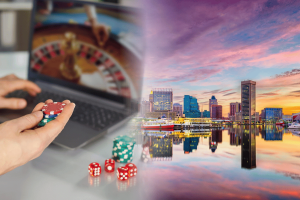
Baltimore Launches Legal Assault on “Social Casino” Sweepstakes Operators, Alleging Illegal Gambling and Youth Targeting
In a bold and unprecedented move, the City of Baltimore has filed a sweeping lawsuit against several of the most prominent operators of online “social casino” platforms, accusing them of running illegal gambling operations that have siphoned millions of dollars from local residents while masquerading as harmless entertainment. The legal action, filed in the Circuit Court for Baltimore City on March 4, 2026, names a roster of well-known sweepstakes casino operators, including Chumba Casino, LuckyLand Slots, McLuck Casino, Pulsz Casino, Stake.us, High 5 Games, and Fortune Coins. The city’s complaint alleges these platforms have operated in direct violation of Maryland law, offering online casino-style games that the state has never authorized.
Maryland’s Strict Online Gaming Laws vs. Sweepstakes Loopholes
Maryland’s gambling laws are among the most restrictive in the nation when it comes to online gaming. The state currently permits casino gambling only at six licensed brick-and-mortar casinos, and the Maryland Lottery and Gaming Control Agency has repeatedly emphasized that real-money online casino games are not legal. As regulators have clearly stated, “Sports wagering via licensed operators and online fantasy competitions offered by registered operators are the only legal online gaming options in Maryland. No other forms of real-money online/mobile gaming or wagering are operating legally in Maryland.”
Despite these restrictions, sweepstakes casinos have proliferated across the United States by exploiting a legal loophole. These platforms offer digital versions of classic casino games—slot machines, blackjack, roulette, and poker—but operate under a “dual currency” system. Players purchase virtual “gold coins” for gameplay, which cannot be redeemed for cash. However, they also receive “sweeps coins” as a bonus, which can be used to play the same games and, crucially, can later be redeemed for real money or prizes. Baltimore’s lawsuit argues this model still constitutes illegal gambling because it involves consideration (payment), chance, and a prize—the three elements that define gambling under Maryland law.
The City’s Case: Addiction, Youth Targeting, and Deceptive Marketing
The city’s legal filing is scathing in its assessment of the sweepstakes operators’ business practices. According to the complaint, these companies have taken millions of dollars from Baltimore residents through online casino games that Maryland law does not permit. The lawsuit contends that the platforms offer the same slot machines, blackjack tables, and roulette wheels found in licensed casinos—games for which the addictive potential is well-documented.
A particularly troubling aspect of the city’s case is the allegation that these platforms are specifically designed to appeal to minors. The complaint states that defendants target youth through multiple, reinforcing vectors: gamified design elements drawn from mobile gaming popular with children and adolescents; advertising on platforms and through influencers with disproportionately young audiences; colorful, cartoonish visual branding that mimics children’s games; and age-verification systems so perfunctory that they function as no barrier at all.
The marketing practices of these companies are also under fire. The lawsuit alleges that operators promote their sites through influencer partnerships, social media advertising, and celebrity endorsements—tactics that have drawn criticism in other states. For instance, a recent Missouri case involved Stake.us promotions linked to major streaming personalities, highlighting the national scope of these concerns.
The Dual Currency System Under Legal Scrutiny
At the heart of Baltimore’s case is a detailed explanation of how the “dual currency” sweepstakes system works and why the city believes it constitutes illegal gambling. While the platforms sell virtual currency (gold coins) that can be used for gameplay but not redeemed for cash, they simultaneously grant promotional currency (sweeps coins) as a bonus when users make purchases or log in. The sweeps coins can be used to play the same casino games and, according to the complaint, can later be redeemed for cash or prizes.
City attorneys argue this structure still meets the legal definition of gambling because players pay money for the chance to win something of value. The complaint cites a letter from a Maryland gaming regulator stating, “These offerings contain the elements of gaming: consideration, chance, and prize… In other words, it is gaming.”
Industry Under Fire as Regulatory Pressure Mounts
Baltimore’s lawsuit arrives as scrutiny of sweepstakes casinos grows across the United States. Civil lawsuits have recently been filed against operators in several states, including Alabama and Louisiana, while regulators in Maryland have already issued cease-and-desist orders to certain gaming platforms accused of offering unauthorized casino-style play.
The American Gaming Association, a powerful industry trade group, has been particularly vocal in its criticism of sweepstakes operators. In a recent memo, the association stated that the lack of regulatory oversight presents many risks for consumers as well as the integrity and economic benefits of the legal gaming market through investment and tax contributions. The memo notes that these sweepstakes-based operators have weak (if any) responsible gaming protocols and few, if any, self-exclusion processes.
What Baltimore Is Seeking
Through this lawsuit, Baltimore is seeking civil penalties, restitution for consumers, and a court order preventing the companies from continuing to operate in the city or accept transactions from local players. The complaint also asks the court to force the companies to surrender profits earned from what officials describe as unlawful gambling activity.
The city’s legal action represents a significant escalation in the battle over online gambling regulation. While sweepstakes casinos have operated in a legal gray area for years, Baltimore’s lawsuit could set a precedent for how other municipalities and states approach these platforms. The outcome could have far-reaching implications for the entire online gaming industry, potentially forcing operators to either shut down in certain jurisdictions or fundamentally alter their business models.
The Broader Context: A National Debate
This case is part of a larger national conversation about the regulation of online gambling and the protection of vulnerable populations, particularly young people. As more states grapple with how to address the proliferation of these platforms, Baltimore’s aggressive stance could inspire similar actions elsewhere.
The lawsuit also highlights the tension between technological innovation and regulatory frameworks that were often designed for a pre-internet era. As online platforms continue to evolve and find new ways to offer gambling-adjacent experiences, regulators are being forced to adapt quickly or risk being left behind.
Baltimore’s decision to take on these powerful companies sends a clear message: the city will not tolerate what it sees as exploitation of its residents through illegal gambling operations, particularly those that may be targeting young and vulnerable populations. As this case moves through the courts, it will be watched closely by industry observers, regulators, and consumer advocates across the country.
The post Baltimore sues sweepstake operators alleging illegal online gambling targeting residents appeared first on ReadWrite.
Tags: Baltimore lawsuit, sweepstakes casinos, illegal gambling, Chumba Casino, LuckyLand Slots, McLuck Casino, Pulsz Casino, Stake.us, High 5 Games, Fortune Coins, Maryland gaming laws, online gambling, youth targeting, dual currency system, VGW, American Gaming Association, cease-and-desist orders, social casino platforms
Viral Phrases: “operating the same slot machines, blackjack tables, and roulette wheels found in licensed casinos,” “Defendants target youth through multiple, reinforcing vectors,” “age-verification systems so perfunctory that they function as no barrier at all,” “taken millions of dollars from players in Baltimore,” “siphoned millions of dollars from local residents,” “masquerading as harmless entertainment,” “exploiting legal loopholes,” “sweepstakes casinos under fire,” “Baltimore’s legal assault,” “gaming’s addictive potential is well-documented,” “the three elements that define gambling”
,

Leave a Reply
Want to join the discussion?Feel free to contribute!