
Bambu Lab said to have resolved Labubu IP dispute with Pop Mart · TechNode
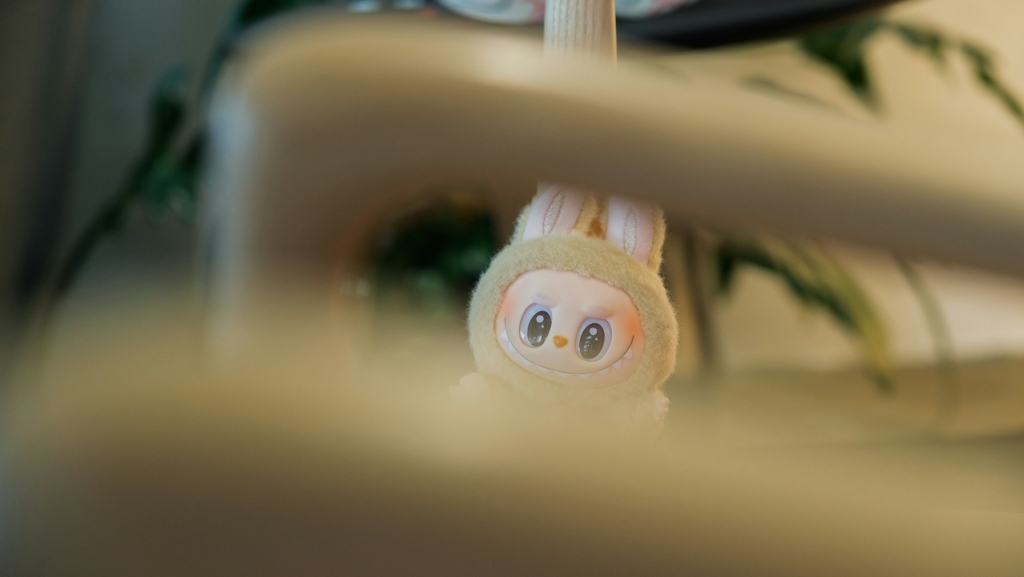
Bambu Lab and Pop Mart Resolve IP Dispute Over Labubu Content on MakerWorld
In a significant development within the 3D printing and intellectual property (IP) landscape, Bambu Lab has reportedly resolved a contentious dispute with Pop Mart over unauthorized Labubu-related content on its MakerWorld platform. The resolution, confirmed by sources close to the company, marks a pivotal moment for both firms as they navigate the complexities of IP rights in the digital and creative economy.
The Dispute: A Closer Look
The controversy began when users of MakerWorld, Bambu Lab’s popular model-sharing community, uploaded 3D-printing model files inspired by Pop Mart’s Labubu intellectual property. Labubu, a beloved character created by Hong Kong-based artist Kasing Lung and commercialized by Pop Mart, has become a cultural phenomenon, particularly among collectors and enthusiasts of designer toys. The unauthorized use of Labubu’s likeness on MakerWorld raised concerns about IP infringement, prompting Pop Mart to take action.
According to reports from Blue Whale News, which cited an individual familiar with the matter, the two companies engaged in “friendly discussions” to address the issue. As a result, all Labubu-related content on MakerWorld has been removed, and searches for the term now yield no results. This swift resolution underscores the importance of respecting IP rights in the rapidly evolving world of 3D printing and digital design.
The Broader Implications
This incident highlights the growing challenges faced by companies operating in the 3D printing space. Platforms like MakerWorld serve as hubs for creativity and innovation, allowing users to share and download 3D models for personal and commercial use. However, the ease of sharing digital content also raises questions about the boundaries of IP rights, particularly when it comes to fan-created or derivative works.
For Bambu Lab, the resolution of this dispute is a testament to its commitment to fostering a responsible and legally compliant community. By proactively addressing the issue, the company has demonstrated its willingness to collaborate with IP holders to ensure that its platform remains a space for legitimate and creative expression.
For Pop Mart, the outcome reinforces its dedication to protecting its intellectual property. As a leader in the designer toy industry, Pop Mart has built its brand around unique and highly sought-after characters like Labubu. Safeguarding these assets is crucial to maintaining the value and exclusivity of its products.
The Role of MakerWorld in the 3D Printing Ecosystem
MakerWorld, operated by Bambu Lab, has emerged as a key player in the 3D printing ecosystem. The platform allows users to upload, share, and download 3D models, fostering a vibrant community of designers, hobbyists, and professionals. Its integration with Bambu Lab’s hardware products has further enhanced its appeal, making it a go-to resource for 3D printing enthusiasts.
However, the Labubu incident serves as a reminder of the responsibilities that come with operating such a platform. As 3D printing technology becomes more accessible, the line between inspiration and infringement can sometimes blur. Companies like Bambu Lab must strike a balance between encouraging creativity and ensuring compliance with IP laws.
The Future of IP in the 3D Printing Industry
The resolution of the Bambu Lab-Pop Mart dispute is likely to have ripple effects across the 3D printing industry. As more companies enter the space, the need for clear guidelines and best practices around IP will become increasingly important. This could include the development of standardized licensing agreements, improved content moderation tools, and greater collaboration between IP holders and platform operators.
For creators, the incident underscores the importance of understanding the legal implications of their work. While 3D printing offers unprecedented opportunities for innovation, it also requires a nuanced approach to intellectual property. By respecting the rights of original creators, designers can contribute to a more sustainable and ethical creative ecosystem.
Conclusion
The resolution of the IP dispute between Bambu Lab and Pop Mart over Labubu content on MakerWorld is a significant milestone for both companies and the broader 3D printing industry. It highlights the importance of collaboration, respect for intellectual property, and the need for clear guidelines in the digital age. As the industry continues to evolve, such incidents will likely serve as valuable lessons, shaping the future of creativity and innovation in the 3D printing space.
Tags: Bambu Lab, Pop Mart, Labubu, MakerWorld, 3D printing, intellectual property, IP dispute, designer toys, Kasing Lung, Blue Whale News, digital design, creativity, innovation, content moderation, licensing, ethical creativity, 3D printing ecosystem, IP rights, fan-created content, designer toy industry.
Viral Phrases: “Bambu Lab resolves IP dispute,” “Labubu content removed from MakerWorld,” “3D printing and IP rights,” “Pop Mart protects Labubu IP,” “friendly discussions lead to resolution,” “MakerWorld content moderation,” “Kasing Lung’s Labubu character,” “designer toy industry challenges,” “3D printing innovation and ethics,” “Bambu Lab and Pop Mart collaboration.”
,


Leave a Reply
Want to join the discussion?Feel free to contribute!