
Bidets Are Confusing Visitors at the 2026 Winter Olympics
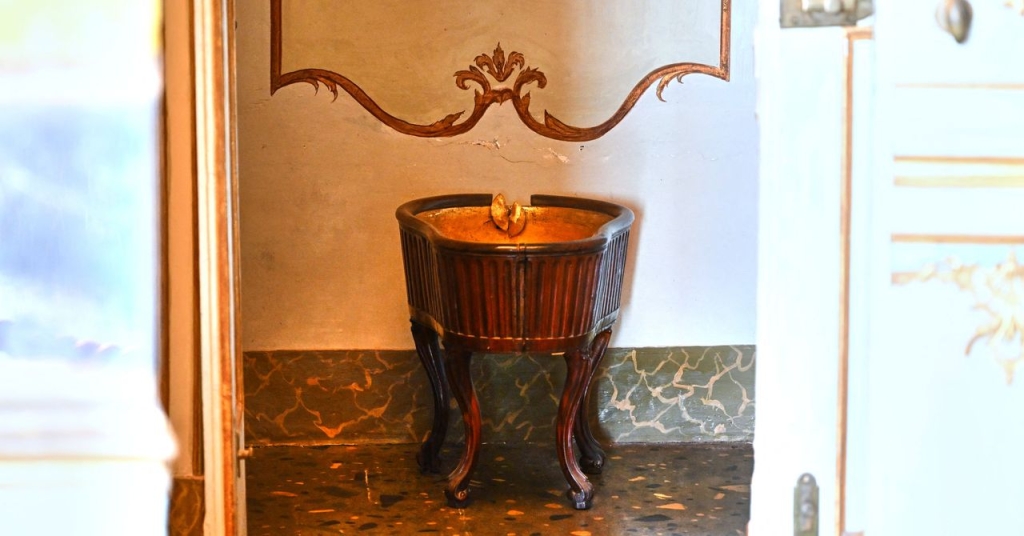
Bidets Take Center Stage at the 2026 Winter Olympics: A Cultural Splash That’s Cleaning Up Conversations
As the world’s eyes turn to northern Italy for the 2026 Winter Olympics, an unexpected star has emerged from the sidelines—not an athlete, but a humble bathroom fixture. The bidet, long a staple in European homes, has suddenly become the talk of the Games, sparking curiosity, confusion, and even a bit of cultural comedy among athletes and journalists from around the globe.
The buzz began when US broadcaster Alicia Lewis, checking into her Olympic accommodations, encountered the mysterious oval basin and took to TikTok to ask, “Is this a bidet?” Her video quickly went viral, resonating with many international visitors who found themselves equally perplexed by the fixture. The Associated Press noted that while the bidet is “de rigueur in Italian residences,” it often leaves visitors—including some athletes—doing double-takes.
But the Olympic spotlight isn’t the only reason bidets are making headlines. In New York City, newly elected Mayor Zohran Mamdani has openly expressed his “aspirational hope” of installing bidets in Gracie Mansion, the official mayoral residence. This endorsement from a high-profile political figure has only added to the growing interest in bidets across the United States.
For years, WIRED has been championing the benefits of bidets, and it seems the world is finally catching on. But what exactly is a bidet, and why is it suddenly the subject of so much attention?
The bidet’s origins trace back to 18th-century France, though its inventor remains a mystery. The name itself comes from the French word for “pony,” a nod to the straddling position users adopt. The first evidence of bidets in Italy dates to around 1720, but their widespread adoption didn’t occur until after World War II, especially following a 1975 law requiring their installation in every private home.
Today, bidets are common in countries like Greece, Turkey, Finland, Argentina, Uruguay, Paraguay, and parts of northern Africa. In Japan, the bidet and toilet have merged into the high-tech “washlet,” featuring automatic and adjustable jets for a truly futuristic bathroom experience.
The renewed interest in bidets isn’t just about novelty or cultural exchange—it’s also about sustainability. With many people opting for wet wipes instead of toilet paper, bidets offer an eco-friendly alternative that could significantly reduce waste. The NYC Department of Environmental Protection even chimed in, posting on social media that “more bidets = fewer wet wipes,” highlighting the environmental benefits of this age-old fixture.
While bidets may never fully replace traditional toilet paper in the United States, their growing popularity suggests they’re here to stay. As the world becomes more environmentally conscious and open to new cultural practices, the bidet is poised to make a lasting splash.
So, whether you’re an Olympic athlete navigating the quirks of international accommodations or a New Yorker considering a bathroom upgrade, the bidet is more than just a fixture—it’s a symbol of cultural exchange, sustainability, and the ever-evolving nature of everyday life.
Tags: bidet, 2026 Winter Olympics, Zohran Mamdani, Gracie Mansion, sustainability, cultural exchange, bathroom innovation, eco-friendly, TikTok viral, international athletes, environmental awareness, washlet, toilet paper alternative, wet wipes, European culture, Japanese technology, viral video, cultural confusion, bathroom fixture, Olympic accommodations.
Viral Sentences: “Is this a bidet?” — Alicia Lewis, TikTok. “More bidets = fewer wet wipes.” — NYC Department of Environmental Protection. “Aspirational hope” — Zohran Mamdani on installing bidets in Gracie Mansion. “The bidet is de rigueur in Italian residences but often perplexes visitors.” — Associated Press. “The world is finally catching on to the benefits of bidets.” — WIRED.
,


Leave a Reply
Want to join the discussion?Feel free to contribute!