
Bill Gates addresses Epstein fallout at foundation as new Microsoft revelations emerge
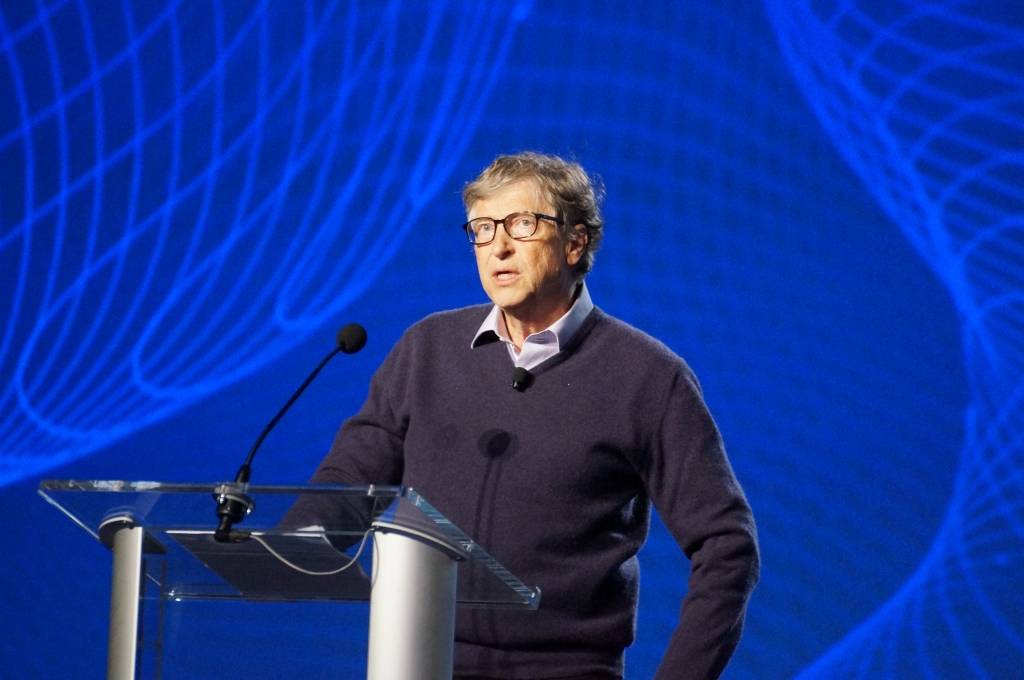
Bill Gates Confronts Foundation Staff Over Epstein Ties in Tense Town Hall
In a dramatic internal town hall that sent shockwaves through the philanthropic world, Microsoft co-founder Bill Gates issued a rare public apology to Gates Foundation staff regarding his controversial associations with convicted sex offender Jeffrey Epstein.
The high-stakes meeting, held Tuesday and detailed in a Wall Street Journal report, revealed Gates acknowledging his “huge mistake” in maintaining contact with Epstein from 2011 to 2014—years after Epstein’s 2008 conviction for soliciting prostitution from a minor. Sources familiar with the recording indicate the atmosphere was unusually tense as Gates addressed what he called “the opposite of the foundation’s values.”
“I did nothing illicit. I saw nothing illicit,” Gates told staff, according to the recording reviewed by the Journal. The billionaire tech pioneer admitted bringing foundation executives into meetings with Epstein was a critical error that jeopardized the organization’s carefully cultivated reputation.
The town hall took an even more personal turn when Gates acknowledged two extramarital affairs—with a Russian bridge player and a nuclear physicist—that Epstein later discovered through Gates’s former science adviser Boris Nikolic. This revelation adds another layer to the complex web of connections that has increasingly entangled Gates in the Epstein scandal.
The Microsoft Connection Runs Deeper
While Gates faced his staff, a bombshell New York Times investigation published Tuesday revealed Epstein’s astonishing reach within Microsoft, showing he cultivated relationships with top executives over more than two decades—deeper than any other major tech company.
The documents obtained by the Times show Epstein receiving confidential updates on Microsoft’s CEO search, offering strategic advice to executives, and gaining access to sensitive company business. Among those named:
Former Microsoft CTO Nathan Myhrvold vouched for Epstein to Gates personally and maintained regular meetings in Seattle and New York from 2010 through 2018, according to emails reviewed by multiple news organizations. Myhrvold was listed as a “friend” in Epstein’s 2003 birthday book and contributed a personal letter to the project.
Steven Sinofsky, former Windows chief, shared confidential Microsoft information with Epstein and even sought his advice regarding his exit package from the company. The level of access Epstein enjoyed within Microsoft’s highest echelons has stunned industry observers.
Reid Hoffman, LinkedIn co-founder and current Microsoft board member, visited Epstein’s private island and continued communicating with him through 2018, according to the Times report. Hoffman’s ongoing role at Microsoft has intensified scrutiny of the company’s governance.
Microsoft communications chief Frank Shaw told the Times the company was “disappointed” by emails between Epstein and former employees “acting in their personal capacities”—a characterization that critics argue dramatically understates the systematic nature of Epstein’s infiltration.
Gates Foundation Response and Broader Implications
A Gates Foundation spokesperson characterized the town hall as a regularly scheduled internal event that Gates holds twice annually. “Bill answered questions submitted by foundation staff on a range of issues, including the release of the Epstein files, the foundation’s work in AI, and the future of global health,” the spokesperson stated. “Bill spoke candidly, addressing several questions in detail, and took responsibility for his actions.”
The timing of the meeting proved particularly sensitive. Just days earlier, Gates abruptly canceled a planned keynote address at India’s AI Impact Summit hours before he was scheduled to speak. The foundation cited the need “to ensure the focus remains on the AI Summit’s key priorities”—a explanation that did little to quell speculation about whether the cancellation related to mounting Epstein revelations.
In a previous statement, the foundation acknowledged awareness of emails recently released by the U.S. Department of Justice involving communication between Epstein and foundation staff. The organization stated that a small number of employees had interacted with Epstein based on his claims that he could “mobilize significant philanthropic resources for global health and development.” Crucially, the foundation emphasized that no collaboration was pursued and no payments were ever made to Epstein.
The Fallout Spreads Across Industries
The Epstein scandal’s reach extends far beyond Gates and Microsoft. The release of previously sealed documents has triggered a cascade of resignations, arrests, and investigations across multiple sectors:
Hyatt Hotels executive chairman Tom Pritzker stepped down following revelations about his ties to Epstein. Goldman Sachs chief legal officer Kathy Ruemmler resigned amid the controversy. Norway’s former Prime Minister Thorbjørn Jagland has been charged with aggravated corruption in connection with the case, while former British ambassador Peter Mandelson was arrested as part of ongoing investigations.
The breadth of Epstein’s network—spanning technology, finance, politics, and academia—has raised profound questions about how such extensive connections went unchallenged for so long and what institutional failures allowed his influence to persist.
Gates’s Continuing Influence
Despite the controversy, Gates maintains significant positions across the business and philanthropic worlds. He continues to advise Microsoft while serving as chairman of Bellevue-based TerraPower, the nuclear energy company he founded. Hoffman remains on the Microsoft board, and Myhrvold serves as CEO of Intellectual Ventures while holding a vice chairman position at TerraPower’s board.
The convergence of these relationships—with multiple key figures tied to both Epstein and major technology initiatives—has intensified scrutiny of the networks that shape technological development and global health policy.
As the Epstein revelations continue to unfold, the Gates Foundation faces a critical juncture in maintaining its credibility and mission focus amid what its founder acknowledged as a “huge mistake” that threatens to overshadow decades of philanthropic work.
Tags: Bill Gates, Jeffrey Epstein, Gates Foundation, Microsoft scandal, tech industry controversy, philanthropic reputation, extramarital affairs, Russian bridge player, nuclear physicist, Boris Nikolic, Nathan Myhrvold, Steven Sinofsky, Reid Hoffman, TerraPower, AI Impact Summit, DOJ documents, corporate ethics, Silicon Valley connections, global health, technology leadership crisis
Viral Phrases: “huge mistake to spend time with Epstein,” “I did nothing illicit,” “opposite of the foundation’s values,” “reputational sensitive work,” “deeper than any other major tech firm,” “mobilize significant philanthropic resources,” “acting in their personal capacities,” “systematically cultivated relationships,” “confidential company business,” “private island connections,” “cascade of resignations,” “institutional failures,” “networks that shape technological development”
,


Leave a Reply
Want to join the discussion?Feel free to contribute!