
Blizzard Commits To Changing New Overwatch Hero's Appearance Following "Same Face" Criticism
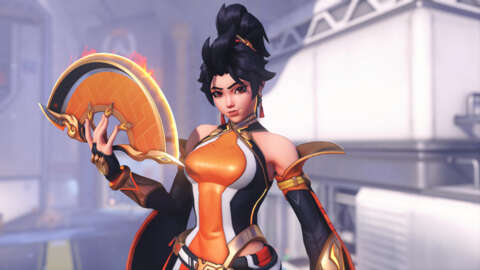
Blizzard Commits to Redesigning Overwatch’s Anran After Fan Outcry Over “Same Face” Syndrome
In a significant development that underscores the growing influence of player feedback in modern game development, Blizzard Entertainment has announced plans to redesign the appearance of Anran, Overwatch’s latest hero, following widespread criticism about her visual similarity to other female characters in the game.
The controversy erupted shortly after Anran’s reveal, with fans and even voice actors pointing out that the hero’s in-game appearance bore little resemblance to her portrayal in the animated short “A New Dawn.” The character, who was introduced as a fierce and battle-hardened older sister figure, instead appeared in-game with softer features that many players felt made her look nearly identical to other female heroes like Widowmaker and Tracer.
Aaron Keller, Game Director for Overwatch, addressed the situation directly in a video posted across social media platforms. “We’ve been listening to your feedback, and we agree that Anran can be even better,” Keller stated. “Our team is proud of the work we’ve done, but we believe we can make her look and feel more like the fierce older sister that we all envision her to be.”
The timing of this announcement is particularly noteworthy, as it demonstrates Blizzard’s willingness to pivot quickly in response to community concerns. According to Keller, discussions about potential changes have been ongoing internally since last week, though the team waited until they had concrete plans before making any public statements.
This situation highlights a broader issue within the gaming industry known as “same face syndrome,” where female characters across different franchises often share remarkably similar facial features, body types, and overall aesthetics. Critics argue that this practice not only limits creative expression but also reinforces unrealistic beauty standards and reduces character diversity.
The animated short “A New Dawn,” which served as Anran’s introduction to the Overwatch universe, presented her as a character with distinctive features that reflected her backstory as a warrior from a harsh environment. Her weathered appearance and battle scars told a story of survival and strength, elements that many fans felt were lost in translation to the in-game model.
Blizzard’s decision to revisit Anran’s design represents a significant shift in how major developers approach character creation and community feedback. Rather than doubling down on their original vision or making minor adjustments, the studio has committed to substantial changes that will likely affect multiple aspects of the character’s appearance.
The development team faces several challenges in this redesign process. First, they must maintain visual consistency with the established Overwatch art style while creating a more distinctive look for Anran. Second, they need to ensure that any changes don’t affect gameplay mechanics or create balance issues. Finally, they must execute these changes within the timeline of Season 1, which presents technical and scheduling constraints.
This isn’t the first time Blizzard has made post-release adjustments to character appearances, but it represents one of the most significant visual overhauls for a hero so soon after their introduction. The company’s willingness to undertake such a substantial revision speaks to the importance they place on player satisfaction and the evolving nature of live-service games.
The response from the Overwatch community has been largely positive, with many players expressing appreciation for Blizzard’s transparency and willingness to listen. Social media platforms have been flooded with supportive messages, fan art showing alternative designs for Anran, and discussions about what specific changes players would like to see.
However, some industry analysts have raised questions about the precedent this sets. If player feedback can lead to major character redesigns, how might this affect the creative process for future heroes? Will developers become more conservative in their initial designs, knowing they might face pressure to change them post-release?
The technical aspects of implementing these changes are also worth considering. Character models in modern games are complex assets that affect multiple systems, from animation rigs to hit detection. Any significant visual changes could potentially introduce bugs or require adjustments to other game elements.
Blizzard has not yet provided specific details about what changes will be made to Anran’s appearance or when exactly these changes will be implemented. The studio has indicated that they hope to complete the update during Season 1, but no firm timeline has been established.
This situation also raises interesting questions about the relationship between animated shorts and in-game appearances. Many players feel that the animated content should serve as a reliable representation of how characters will look in the actual game, and discrepancies between these mediums can lead to disappointment and criticism.
The Anran controversy comes at a time when the gaming industry is increasingly focused on representation and diversity. Players are demanding more varied character designs that reflect different body types, ages, and cultural backgrounds. Blizzard’s response to this situation could influence how other developers approach character creation in the future.
As the Overwatch team works on implementing these changes, the gaming community will be watching closely to see how the redesigned Anran compares to both her original in-game appearance and her portrayal in the animated short. The success or failure of this redesign could have lasting implications for how game developers handle character design and community feedback in the future.
For now, the Overwatch community remains engaged and hopeful that the changes will result in a character that better matches their vision of who Anran should be. As Season 1 progresses, all eyes will be on Blizzard to see how they deliver on their commitment to making Anran “look and feel more like the fierce older sister” that players were promised.
Tags & Viral Elements:
Anran Overwatch redesign, Blizzard responds to fan feedback, same face syndrome gaming, Overwatch character controversy, Aaron Keller announcement, female character diversity in games, animated short vs in-game appearance, community-driven game development, Overwatch Season 1 updates, character model overhaul, gaming industry representation issues, player feedback influences design, Blizzard transparency, Overwatch hero controversy, game development challenges, live service game evolution, character design criticism, gaming community power, Blizzard Entertainment updates, Overwatch visual changes, fan art influences development, industry standards for character design, developer-community relationship, gaming controversy resolution, Overwatch character appearance debate
,
Leave a Reply
Want to join the discussion?Feel free to contribute!