
Blood Tests Could Revolutionize Early Cancer Detection – But There’s a Catch : ScienceAlert
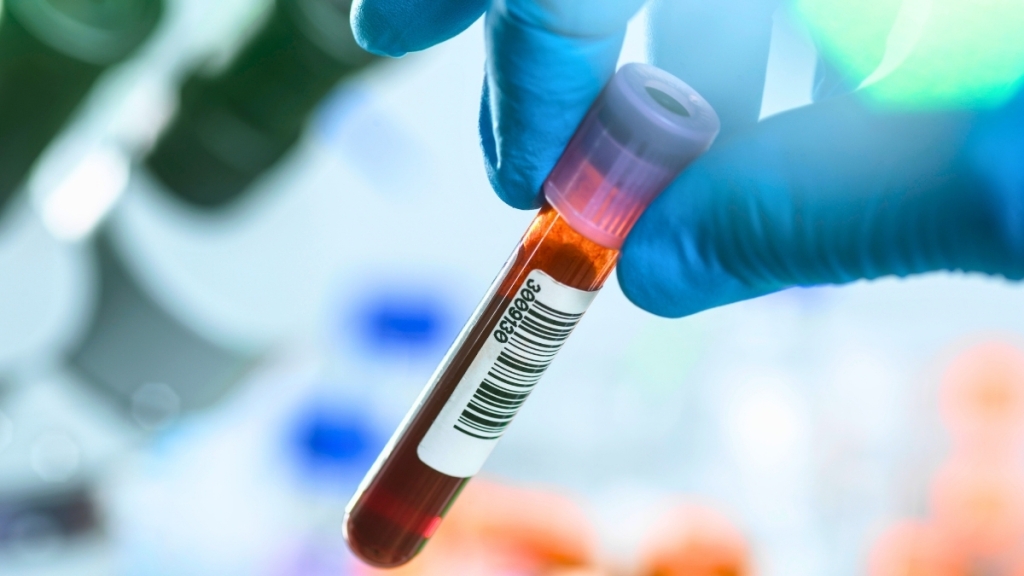
New Blood Test for Cancer Detection: A Revolutionary Breakthrough or Just Hype?
In a groundbreaking development, scientists have unveiled a revolutionary new blood test that promises to detect cancer at its earliest stages, sometimes even before symptoms appear. This cutting-edge technology has the potential to transform cancer screening and early detection, offering hope to millions of people worldwide.
The concept is simple yet powerful: a single blood sample could potentially screen for dozens of different types of cancer simultaneously, catching the disease at a stage when it’s most treatable and has the highest chance of being cured. For those living in fear of cancer, this breakthrough sounds like a medical miracle.
These innovative tests work by detecting tiny fragments of DNA from cancer cells circulating in the bloodstream. Researchers have spent years perfecting this technology, using advanced machines to analyze these DNA fragments and identify patterns that suggest the presence of hidden cancer somewhere in the body.
Instead of waiting for telltale signs like lumps, unexplained weight loss, or other symptoms, individuals could undergo regular blood tests every six or twelve months to check for the early onset of cancer. The National Health Service (NHS) in England has described this test as “the beginning of a revolution” in cancer detection.
However, as with many groundbreaking technologies, the reality of these blood tests has fallen short of the initial hype. In a large recent UK study, the blood test failed to detect most cancers that participants eventually developed. This raises serious concerns about the reliability and effectiveness of the test.
One of the most significant issues is the potential for false reassurance. A negative test result may give individuals a false sense of security, leading them to delay seeking medical attention when symptoms do appear or to dismiss concerning changes in their bodies. This could potentially lead to delayed diagnoses and poorer outcomes for those who develop cancer despite a negative test result.
Traditional cancer screening methods, such as mammograms for breast cancer, colonoscopies, and cervical screening, have been developed and refined over decades. These established tests have undergone extensive trials to demonstrate their effectiveness in saving lives. In contrast, multi-cancer blood tests are still in their infancy, and we lack comprehensive data on their long-term impact on cancer mortality rates.
Another significant concern is the potential for false positives. Sometimes, these tests may incorrectly flag individuals as having cancer when they don’t, causing unnecessary stress and anxiety. This could also overwhelm healthcare systems with follow-up investigations that ultimately prove unnecessary, straining already stretched resources.
Cost is another crucial factor to consider. Developing and implementing these tests is expensive, and widespread use before we fully understand their efficacy could lead to misallocation of healthcare resources. Money and staff time spent on unproven technology might be better invested in proven measures like early diagnosis, smoking cessation programs, weight management, and ensuring existing screening programs reach those who need them most.
Despite these concerns, it would be premature to dismiss these blood tests entirely. The underlying science is sophisticated and rapidly advancing. In high-risk groups, such as individuals with strong family histories of certain cancers or those with inherited genetic mutations, carefully used blood tests might genuinely help detect tumors earlier than current methods allow.
These tests also show promise in monitoring cancer recurrence after treatment or in selecting treatments that match the specific biology of an individual’s cancer.
The key issue is how we introduce such technology into everyday healthcare. There’s a long history of medicine being captivated by new treatments and procedures, only to discover later that the risks and drawbacks outweigh the benefits.
Early cancer blood tests are arriving at a time when trust in institutions is fragile, misinformation spreads rapidly, and many people feel that accessing healthcare is increasingly difficult. Adding another layer of complexity and uncertainty could potentially widen health inequalities between those who can afford private testing and those who cannot.
While we wait for more robust evidence, there are sensible steps individuals can take. If you’re invited to participate in a trial of a new cancer blood test, ask about the study’s goals and what is already known about the test’s effectiveness. Genuine clinical trials, run through the NHS or academic centers, are crucial for answering important questions about benefits and harms.
If you’re offered one of these tests privately, inquire about who will interpret the results, what support you’ll receive afterward, and whether the test is likely to meaningfully change your care.
Most importantly, don’t let the idea of a “simple blood test” overshadow basic health awareness. If you notice a new lump, unexplained bleeding, persistent cough, unexplained weight loss, or changes in bowel habits that last more than a few weeks, you should still contact your GP, even if a previous test was normal.
Trust your instincts about your body and keep pushing if you feel something is wrong. Stories of delayed diagnoses repeatedly show that persistence from patients, families, and doctors can make a crucial difference.
Cancer outcomes have been improving slowly over time, thanks to a combination of better treatments, earlier diagnosis, and public health measures. New technology, including blood tests that scan for traces of cancer, will likely play a part in the next chapter of that story. But on their own, they are not a magic bullet against disease.
As we continue to navigate this exciting but complex landscape of cancer detection technology, it’s crucial to maintain a balanced perspective. While the potential of these blood tests is enormous, we must approach their implementation with caution, ensuring that we don’t sacrifice proven methods for unproven promises.
The future of cancer detection is undoubtedly bright, with these blood tests representing just one piece of a much larger puzzle. As research continues and our understanding grows, we may indeed be on the cusp of a revolution in cancer care. But for now, the most effective approach remains a combination of cutting-edge technology, tried-and-true screening methods, and good old-fashioned awareness of our own bodies.
Tags: cancer detection, blood test, early diagnosis, medical breakthrough, healthcare technology, cancer screening, false positives, false negatives, NHS, clinical trials, genetic mutations, cancer recurrence, personalized medicine, health inequalities, medical research
Viral Sentences:
– “The future of cancer detection is here!”
– “A single blood test could save millions of lives!”
– “Is this the end of late-stage cancer diagnoses?”
– “Revolutionizing cancer care: The blood test that sees the invisible”
– “From science fiction to reality: Cancer detection in a vial”
– “The test that’s changing everything we know about cancer”
– “Why your next blood test could be the most important one you’ll ever take”
– “The hidden danger in the cancer blood test revolution”
– “How a simple blood draw could be the key to beating cancer”
– “The promise and peril of multi-cancer early detection tests”,

Leave a Reply
Want to join the discussion?Feel free to contribute!