
Bose QuietComfort Ultra Headphones (2nd Gen) review: The best Bose has to offer
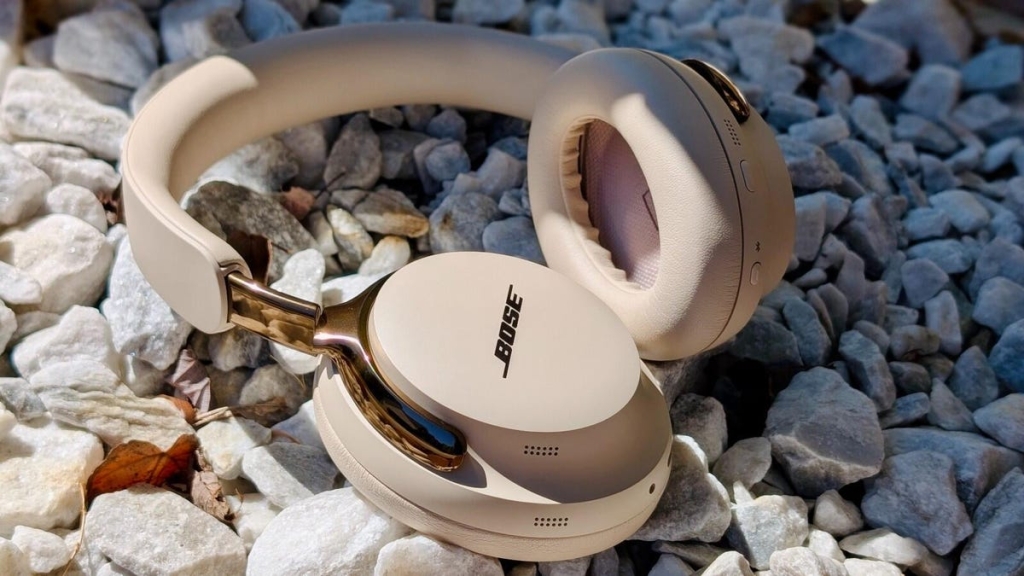
Bose QuietComfort Ultra (Gen 2) Review: Subtle Refinements, Major Appeal
TL;DR: Bose’s latest flagship headphones refine rather than revolutionize, delivering meaningful upgrades in power management, customization, and USB-C audio support that make them a compelling choice for discerning listeners.
In the crowded premium headphone market, convincing consumers to upgrade from a perfectly capable pair of $400 headphones is no small feat. Bose faces this exact challenge with its QuietComfort Ultra (Gen 2), a product that looks and operates almost identically to its predecessor. Yet after months of testing, I’ve discovered that these subtle refinements add up to a significantly enhanced experience.
The Same Look, Smarter Execution
The QC Ultra 2’s defining philosophy is refinement over reinvention. They maintain the iconic QuietComfort design that made the original so beloved, with one notable change: the yokes now feature a polished metal finish instead of matte aluminum. This small aesthetic tweak elevates the premium feel without altering the fundamental design language.
Fit remains largely unchanged, though the earcups are slightly shallower than the first generation. This could cause discomfort for users with larger ears or heads, but for most people, the plush memory foam ear cushions and lightweight build (approximately 250 grams) deliver the legendary comfort Bose is known for.
USB-C Audio: The Game-Changer You Didn’t Know You Needed
Perhaps the most significant upgrade is USB-C audio support, available at up to 16-bit/44.1kHz or 48kHz. This feature transforms the QC Ultra 2 from excellent wireless headphones into versatile audio tools suitable for gaming, studio monitoring, or high-fidelity listening. Unlike Sony’s WH-1000XM6, which lacks USB-C audio support, you can enjoy wired audio through the QC Ultra 2’s USB-C port even while charging—a crucial feature for long-haul flights or marathon gaming sessions.
The retention of the 3.5mm headphone jack is equally welcome, ensuring compatibility with in-flight entertainment systems and legacy audio equipment. In an era where manufacturers increasingly remove physical ports, Bose’s commitment to connectivity options feels refreshingly user-centric.
Sound Profile: Warm, Spacious, and Bass-Forward
The QC Ultra 2 deliver a sound signature that favors bass-heavy genres and modern pop production. The low-end is pronounced but controlled, mids are slightly recessed, and treble is smooth if not particularly crisp. This tuning excels with contemporary music—One Direction’s “Stockholm Syndrome” and Craig Mack’s “Flava in Ya Ear” sound vibrant and energetic.
However, more nuanced acoustic recordings like Ben Howard’s “Time Is Dancing” lose some of their delicate texture. The warmer sound signature, while pleasant for extended listening sessions, may disappoint audiophiles seeking analytical accuracy. That said, the improved bass response and spacious soundstage represent clear upgrades over the first generation.
Bose’s Immersive Audio spatial sound feature works as advertised, creating a surround-like effect that expands your audio environment. The addition of spatial tuning for dialogue-heavy content (podcasts, movies, TV shows) is a thoughtful touch, though I’d prefer full Dolby Atmos support for a more standardized spatial audio experience.
Noise Cancellation: Still the Gold Standard
Bose continues to dominate the active noise cancellation space. While the improvements over the first generation are incremental rather than revolutionary, the QC Ultra 2 better handle both high-frequency noises (keyboard clicks, human voices) and low-frequency rumble (airplane engines, train tracks). The noise floor when ANC is engaged but no audio is playing is virtually non-existent—a technical achievement that matches Sony’s WH-1000XM6.
The ActiveSense feature, which automatically switches between transparency mode and ANC based on ambient noise levels, works flawlessly. This AI-powered adaptation is particularly useful in dynamic environments where noise levels fluctuate throughout the day.
Power Management: The Unexpected Hero
The most impressive feature of the QC Ultra 2 is their intelligent power management. Battery life has increased from 24 to 30 hours, but more importantly, Bose has eliminated the need for a dedicated power button. Simply remove the headphones and place them flat (earcups up or down), and they automatically disconnect from devices, disable Bluetooth, and enter power-saving mode. Put them back on, and they’re instantly ready to use.
This feature alone justifies the upgrade for anyone frustrated by finicky power buttons that require perfect timing to function correctly. It’s a small change that dramatically improves the daily user experience.
Companion App: Best in Class
Bose’s companion app stands out in a category where many manufacturers deliver half-baked software experiences. The interface is clean, responsive, and packed with useful features. You can now disable the touch control strip—a feature I’ve always found awkward due to its bottom-right earcup placement and tendency to trigger accidentally. The ability to completely disable ANC (previously impossible with Bose headphones) adds another layer of customization.
The only disappointment is the limited equalizer, which offers only broad bass, mid, and treble adjustments rather than granular frequency band control. For users who like to fine-tune their sound signature, this limitation is noticeable.
The Competition: Sony vs. Bose
Comparing the QC Ultra 2 to Sony’s WH-1000XM6 reveals different philosophies. Sony offers a more analytical sound with tighter bass, clearer mids, and sharper treble, plus a more customizable EQ. However, this sound can become fatiguing during extended listening sessions.
Bose counters with superior build quality (less plastic, more premium materials), a more relaxed fit, USB-C audio support, and better power management. The sound is warmer and more forgiving, making it ideal for travel, work, or casual listening where comfort trumps critical listening accuracy.
Should You Buy Them?
Buy the QC Ultra 2 if:
- You’re upgrading from older Bose models (NC700, QuietComfort 35/45)
- You value comfort and all-day wearability
- You need USB-C audio support for gaming or professional use
- You appreciate intelligent power management
- You use the companion app regularly for customization
Skip this generation if:
- You already own the first-gen QC Ultra
- You prioritize analytical sound over warm, forgiving audio
- You need granular EQ control
- You’re on a tight budget (consider the previous generation or competitors)
Bottom Line
The Bose QuietComfort Ultra (Gen 2) won’t revolutionize your listening experience, but they will refine it in ways that matter. By addressing the first generation’s few weaknesses—notably power management and customization—while maintaining their core strengths in comfort and noise cancellation, Bose has delivered a worthy successor that justifies its premium positioning.
Most impressively, Bose offers these premium features to all users regardless of their device ecosystem, avoiding the platform lock-in that plagues some competitors. In a market where incremental upgrades often feel like cash grabs, the QC Ultra 2 deliver genuine, everyday value that enhances rather than merely maintains your audio experience.
Tags/Viral Phrases:
bose quietcomfort ultra 2 review, best noise cancelling headphones 2025, usb-c audio headphones, bose vs sony wh-1000xm6, wireless headphones with usb-c audio, premium over ear headphones, active noise cancellation 2025, bose companion app features, power management headphones, spatial audio headphones, travel headphones 2025, comfortable over ear headphones, audiophile vs consumer headphones, headphone battery life comparison, noise cancelling technology 2025
Viral Sentences:
Bose just eliminated the headphone power button—and it’s a game-changer
The feature you didn’t know you needed: USB-C audio support in 2025
Bose’s companion app is secretly the best in the business
Why these $400 headphones might be worth it even if you own the first generation
The subtle upgrade that makes these headphones worth every penny
Bose vs Sony: The battle of philosophies in premium headphones
How Bose is winning the connectivity war with USB-C audio
The smartest power management feature since wireless charging
Why comfort matters more than you think in premium headphones
The noise cancellation that actually gets quieter when you’re not listening to music
,


Leave a Reply
Want to join the discussion?Feel free to contribute!