
Brain Blood Flow May Predict Alzheimer’s Risk Before Memory Loss
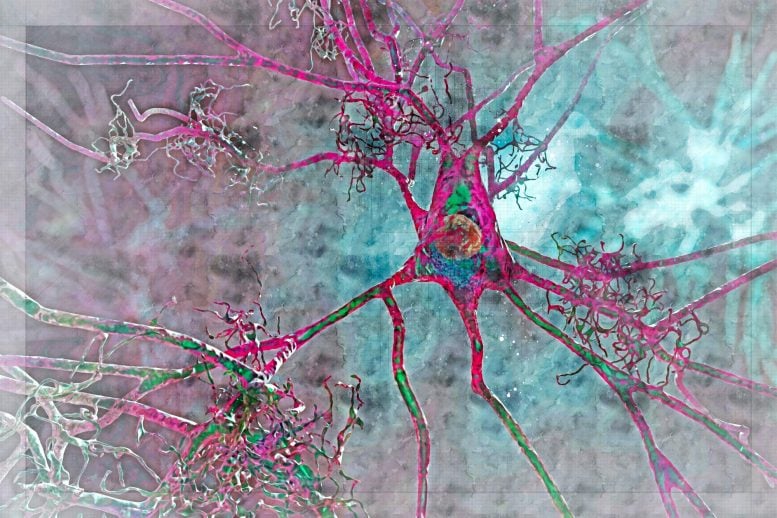
Brain Blood Flow May Predict Alzheimer’s Risk Before Memory Loss
A groundbreaking study from the Mark and Mary Stevens Neuroimaging and Informatics Institute at USC has uncovered a promising new way to detect Alzheimer’s disease risk long before symptoms like memory loss ever appear. Researchers have found that subtle changes in brain blood flow and oxygen use—measurable through advanced, noninvasive imaging techniques—could serve as early warning signs of the devastating neurodegenerative disease.
Alzheimer’s disease, the most common form of dementia, affects over 6 million Americans, with numbers expected to double by 2050. Traditionally, the disease is diagnosed only after noticeable cognitive decline, by which time significant brain damage has already occurred. However, this new research suggests that the brain’s vascular system—the network of blood vessels supplying oxygen and nutrients—may hold the key to earlier detection.
The study, published in the journal Alzheimer’s & Dementia, used cutting-edge neuroimaging tools to examine the brains of healthy adults, some of whom carried genetic risk factors for Alzheimer’s. Researchers focused on two key indicators: cerebral blood flow (CBF) and oxygen extraction fraction (OEF). CBF measures how much blood is flowing through the brain, while OEF tracks how efficiently brain cells use oxygen. Both are critical for healthy brain function.
What the team discovered was striking. Even in people with no memory problems, those at higher genetic risk for Alzheimer’s showed distinct patterns in their brain’s blood flow and oxygen use. Specifically, certain regions of the brain—particularly those most vulnerable to Alzheimer’s, such as the hippocampus and temporal cortex—exhibited reduced blood flow and altered oxygen metabolism. These changes mirrored the buildup of amyloid plaques and tau tangles, the hallmark proteins associated with Alzheimer’s, but appeared years before any clinical symptoms.
Dr. Lisa Mosconi, the study’s lead author, explained, “Our findings suggest that the brain’s vascular system may be one of the earliest systems to be affected in Alzheimer’s disease. By the time memory loss occurs, the damage is often irreversible. But if we can spot these vascular changes early, we may be able to intervene before the disease takes hold.”
The implications are profound. If these vascular markers can be reliably detected in routine medical checkups, doctors could identify at-risk individuals decades before symptoms appear. This would open the door to preventive strategies—such as lifestyle changes, targeted therapies, or even clinical trials for new drugs—aimed at slowing or stopping the disease’s progression.
The study also highlights the potential of noninvasive imaging technologies, such as arterial spin labeling (ASL) and oxygen extraction imaging, which can detect these subtle changes without the need for injections or radiation. These tools are becoming increasingly accessible, making large-scale screening for Alzheimer’s risk a realistic possibility in the near future.
Experts not involved in the study are cautiously optimistic. Dr. James Brewer, a neurologist at UC San Diego, noted, “This is an exciting step forward. If we can use blood flow and oxygen use as early biomarkers, we could transform how we approach Alzheimer’s prevention. The earlier we intervene, the better our chances of making a difference.”
Of course, more research is needed to confirm these findings in larger, more diverse populations. The USC team is already planning follow-up studies to track how these vascular changes evolve over time and whether they can predict who will go on to develop Alzheimer’s.
For now, the message is clear: the brain’s blood supply may be more than just a delivery system—it could be a window into our future brain health. As science continues to unlock the secrets of Alzheimer’s, the hope is that one day, memory loss will no longer be an inevitable part of aging, but a preventable condition.
Tags: Alzheimer’s disease, brain blood flow, oxygen extraction, early detection, noninvasive imaging, cerebral blood flow, Alzheimer’s biomarkers, memory loss prevention, neurodegenerative disease, vascular health, brain imaging, USC research, dementia risk, amyloid plaques, tau tangles, preventive medicine, brain health, aging, neurology, medical breakthroughs.
Viral Phrases:
- “Detect Alzheimer’s before symptoms appear”
- “Brain blood flow: The early warning sign”
- “Revolutionizing Alzheimer’s detection”
- “The future of brain health is here”
- “Stop Alzheimer’s before it starts”
- “Noninvasive tech could save millions”
- “The secret hidden in your brain’s blood supply”
- “Game-changing Alzheimer’s research”
- “Your brain’s blood flow may predict your future”
- “The end of memory loss?”
- “Alzheimer’s risk: Now detectable decades early”
- “Breakthrough in brain imaging”
- “A new era in dementia prevention”
- “Spot Alzheimer’s before it spots you”
- “The vascular key to Alzheimer’s”
- “Science’s latest weapon against dementia”
- “Could your brain’s blood flow save your memory?”
- “The silent signs of Alzheimer’s”
- “From diagnosis to prevention: A new path”
- “Brain health: The next frontier”
,


Leave a Reply
Want to join the discussion?Feel free to contribute!