
Brazil banks want 'free ride' access to iPhone NFC payments, says Apple
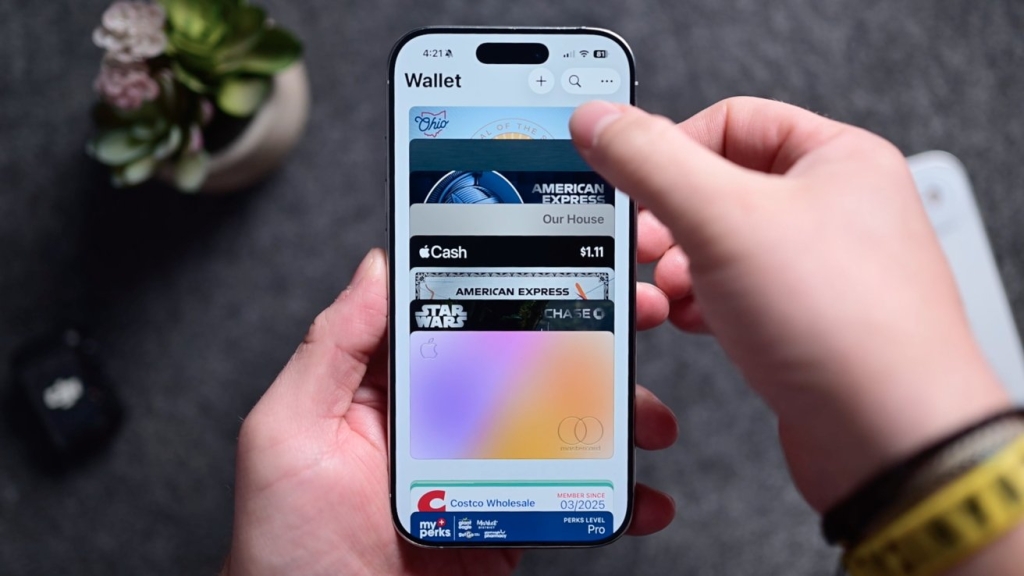
Apple Defends NFC Payment Fees Amid Brazilian Antitrust Probe
In a fresh escalation of global tensions over digital platform control, Apple has fired back at Brazilian regulators and financial institutions, accusing them of seeking “free ride” access to its proprietary iPhone technologies. The dispute centers on Apple’s tightly controlled Near Field Communication (NFC) payment system—a feature that powers Apple Pay and underpins billions in mobile transactions worldwide.
The controversy unfolds as Brazil’s Administrative Council for Economic Defense (CADE) intensifies its antitrust scrutiny of Apple’s App Store practices. The regulatory body, which has already forced Apple to allow alternative app stores and external payment methods in Brazil, now appears poised to challenge the tech giant’s control over iPhone hardware features—specifically the NFC chip used for contactless payments.
Apple’s Strategic Defense
According to a report from O Globo first highlighted by 9to5Mac, Apple has submitted formal arguments to CADE asserting that third-party banks and payment service providers are essentially asking for free access to technology Apple has invested heavily in developing and securing. The company’s position is clear: access to iPhone’s NFC capabilities comes at a cost because it represents a premium, protected ecosystem that Apple maintains.
Apple’s argument taps into a broader narrative it has successfully deployed in other jurisdictions. The company consistently frames its platform fees not as arbitrary tolls, but as necessary investments in security, privacy, and user experience. In the Brazilian context, Apple is essentially asking: why should competitors benefit from infrastructure they didn’t build or maintain?
The NFC Payment Battleground
The NFC dispute represents a particularly thorny issue for regulators. Unlike software marketplaces, which can be more easily unbundled or opened to competition, hardware-level features like NFC chips are physically integrated into Apple’s devices. This creates a fundamental question: does a company that designs both the hardware and the software have the right to control how every component functions?
Apple Pay has become a cornerstone of Apple’s services ecosystem, contributing significantly to the company’s growing services revenue—which reached nearly $100 billion annually. The fees Apple charges for NFC access aren’t just about payment processing; they’re about maintaining control over a feature that drives iPhone loyalty and ecosystem lock-in.
Global Precedent, Local Impact
Brazil’s probe is part of a worldwide trend of regulatory pushback against Apple’s platform policies. From the European Union’s Digital Markets Act to lawsuits in the United States and South Korea, authorities are increasingly questioning whether Apple’s control over its ecosystem constitutes anti-competitive behavior or legitimate business practice.
The Brazilian case is particularly significant because it could set precedents for how hardware-level features are treated under competition law. If CADE rules that Apple must provide free NFC access, it could embolden regulators in other markets to demand similar concessions. Conversely, if Apple prevails, it reinforces the principle that platform owners can charge for access to proprietary technologies—even when those technologies are essential for competitors’ services.
The Banking Sector’s Perspective
From the banks’ viewpoint, NFC access represents a critical infrastructure gap. As consumers increasingly adopt mobile payments, financial institutions find themselves dependent on Apple’s platform to reach iPhone users. The fees Apple charges effectively become a tax on digital banking services, which banks argue ultimately gets passed to consumers.
Brazilian banks and payment providers contend that NFC technology should be treated as a basic smartphone feature, similar to internet connectivity or Bluetooth—utilities that platform owners shouldn’t be able to monetize exclusively. They argue that Apple’s control over NFC creates an unfair advantage for Apple Pay while disadvantaging established financial institutions and innovative fintech startups.
Security and Privacy Considerations
Apple’s defense heavily emphasizes security and privacy—two areas where the company has successfully differentiated itself from Android competitors. The company argues that opening NFC access to multiple parties could compromise the security architecture that makes Apple Pay trusted by hundreds of millions of users.
This argument carries particular weight in Brazil, where digital payment adoption is surging but concerns about fraud and data privacy remain significant. Apple positions its controlled approach as consumer protection, suggesting that unregulated NFC access could expose users to security vulnerabilities and privacy breaches.
The Broader Ecosystem Battle
The Brazilian NFC dispute is emblematic of a larger war over digital platform economics. As smartphones become central to commerce, communication, and daily life, the companies that control these platforms wield unprecedented power over entire industries.
For Apple, maintaining control over features like NFC isn’t just about immediate revenue—it’s about preserving the integrated experience that justifies premium pricing and fosters customer loyalty. Each concession to regulators potentially weakens the cohesive ecosystem that has made Apple one of the world’s most valuable companies.
What’s at Stake
The outcome of Brazil’s investigation could have ripple effects far beyond South American borders. A ruling against Apple might accelerate similar challenges in other jurisdictions, potentially forcing the company to fundamentally restructure how it monetizes its platform. Conversely, a victory for Apple could strengthen its hand in resisting regulatory pressure elsewhere.
For Brazilian consumers, the stakes involve both immediate payment options and longer-term innovation. Greater NFC access could mean more payment choices and potentially lower fees, but it might also introduce security risks or fragment the user experience that makes Apple Pay appealing.
The Path Forward
As CADE continues its investigation, all eyes will be on how the regulatory body balances competing interests: promoting competition and consumer choice versus respecting intellectual property and security considerations. The case also highlights the growing challenge of applying traditional antitrust frameworks to digital platforms where hardware, software, and services are inextricably linked.
Apple’s “free ride” argument may resonate with some stakeholders who recognize the company’s investments in technology and security. However, it also risks appearing tone-deaf to concerns about market concentration and the power of dominant platforms to extract rents across entire economic sectors.
The Brazilian NFC battle represents more than a local regulatory dispute—it’s a microcosm of the global struggle to define fair play in digital markets. As smartphones become the primary interface for commerce and communication, the question of who controls the underlying technology becomes increasingly consequential for businesses, consumers, and the broader economy.
Tags & Viral Phrases
- Apple vs Brazil regulators NFC showdown
- iPhone NFC payment fees controversy explodes
- Banks demand free access to Apple’s payment tech
- Apple accuses Brazilian institutions of seeking “free ride”
- CADE antitrust probe targets Apple’s mobile payment monopoly
- Global tech giants face mounting regulatory pressure
- NFC chip access becomes new battleground for platform control
- Apple defends $100 billion services revenue stream
- Brazilian banks vs Apple Pay: who controls your wallet?
- Smartphone payment wars heat up in South America
- Apple’s “free ride” argument sparks international debate
- Regulatory bodies challenge tech platform fee structures
- iPhone users caught in crossfire of payment platform battle
- Security vs competition: Apple’s NFC dilemma
- Digital wallet wars intensify as regulators intervene
- Apple’s ecosystem lock-in strategy under legal microscope
- Brazilian fintech innovation threatened by Apple’s control
- Near Field Communication becomes regulatory hot potato
- Apple services revenue faces existential threat from regulators
- Platform economics: who deserves to profit from smartphone features?
,


Leave a Reply
Want to join the discussion?Feel free to contribute!