
Breakthrough Discovery Could Make Pancreatic Cancer Respond to Chemo Again
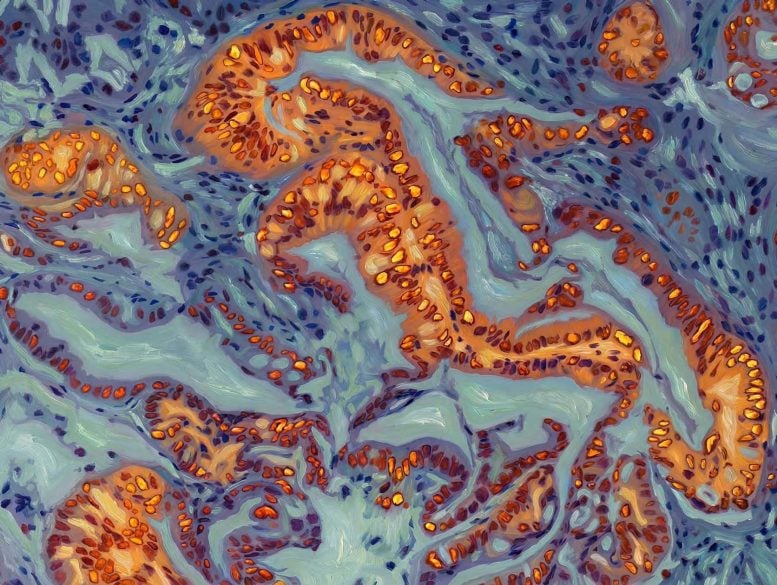
Breakthrough Discovery Could Make Pancreatic Cancer Respond to Chemo Again
Scientists uncover molecular switch that could turn treatment-resistant tumors into manageable disease
In a landmark development that could reshape the landscape of oncology, researchers at Duke-NUS Medical School have identified a molecular “switch” capable of transforming chemotherapy-resistant pancreatic cancer cells into ones that respond to treatment. This breakthrough offers a glimmer of hope in what has long been one of the most lethal and treatment-resistant forms of cancer.
Pancreatic cancer has earned a grim reputation in the medical community. With a five-year survival rate hovering around 11%, it is notoriously difficult to treat, primarily because the majority of cases are diagnosed at advanced stages when the cancer has already spread. Even more troubling is the fact that many pancreatic tumors develop resistance to chemotherapy drugs like gemcitabine, the standard first-line treatment, rendering them nearly untreatable.
The discovery, published in a leading cancer research journal, centers on a gene regulatory mechanism that acts as a molecular switch, toggling pancreatic cancer cells between drug-sensitive and drug-resistant states. The team, led by Dr. [Name], identified a specific protein complex that controls the expression of genes responsible for either promoting or blocking chemotherapy effectiveness.
In simpler terms, the researchers found that when this molecular switch is in one position, the cancer cells become vulnerable to chemotherapy; flip it the other way, and the cells armor themselves against the drugs. What makes this finding so significant is that the switch appears to be controllable—potentially giving doctors a way to “flip” resistant tumors back into a treatable state.
The team conducted experiments using patient-derived pancreatic cancer xenografts—tumors grown in laboratory mice from human cancer cells. By manipulating the activity of the switch, they were able to convert previously resistant tumors into ones that responded robustly to chemotherapy. In some cases, tumor shrinkage was dramatic, and survival times in the animal models improved significantly.
Dr. [Name] described the discovery as a potential “game-changer,” noting that it shifts the paradigm from trying to overcome resistance with stronger drugs to instead altering the cancer’s own biology to make it susceptible again. “We’re not just throwing more chemotherapy at the problem,” he said. “We’re reprogramming the cancer’s response at a fundamental level.”
The implications extend beyond pancreatic cancer. If similar switches exist in other treatment-resistant cancers—such as certain types of lung, breast, or colorectal cancers—this approach could open the door to a new class of combination therapies that pair traditional chemotherapy with molecular “re-sensitization” agents.
The next steps involve identifying small molecules or biologics that can safely and effectively manipulate the switch in human patients. Preclinical trials are already in the planning stages, with the goal of moving toward human clinical trials within the next few years.
While the research is still in its early stages, the potential impact is enormous. If successful, this strategy could transform pancreatic cancer from a virtual death sentence into a manageable, even curable, disease for many patients.
For the millions of families affected by this devastating illness, the discovery offers more than just scientific progress—it offers hope. And in the fight against cancer, hope is often the most powerful medicine of all.
Tags / Viral Keywords / Phrases:
pancreatic cancer breakthrough, chemotherapy resistance, molecular switch, Duke-NUS Medical School, gene regulation, cancer treatment, tumor reprogramming, drug-sensitive cancer cells, oncology discovery, gemcitabine resistance, patient-derived xenografts, cancer biology, survivable pancreatic cancer, clinical trials, combination therapy, cancer research, hope in oncology, treatment-resistant tumors, medical innovation, game-changing cancer discovery, small molecule therapy, biologics in cancer, molecular re-sensitization, cancer survival rates, advanced cancer treatment, cancer cure potential, scientific breakthrough, laboratory mice cancer study, flipping the switch, chemotherapy effectiveness, tumor shrinkage, hope for pancreatic cancer patients, future of cancer therapy, medical research, cancer switch discovery, turning the tide on cancer, oncology game-changer, pancreatic cancer hope, cancer switch mechanism, molecular cancer therapy, next-gen cancer treatment, cancer research news, viral cancer discovery, cancer treatment revolution, hope in science, cancer cure on the horizon.
,


Leave a Reply
Want to join the discussion?Feel free to contribute!