
ByteDance backpedals after Seedance 2.0 turned Hollywood icons into AI “clip art”
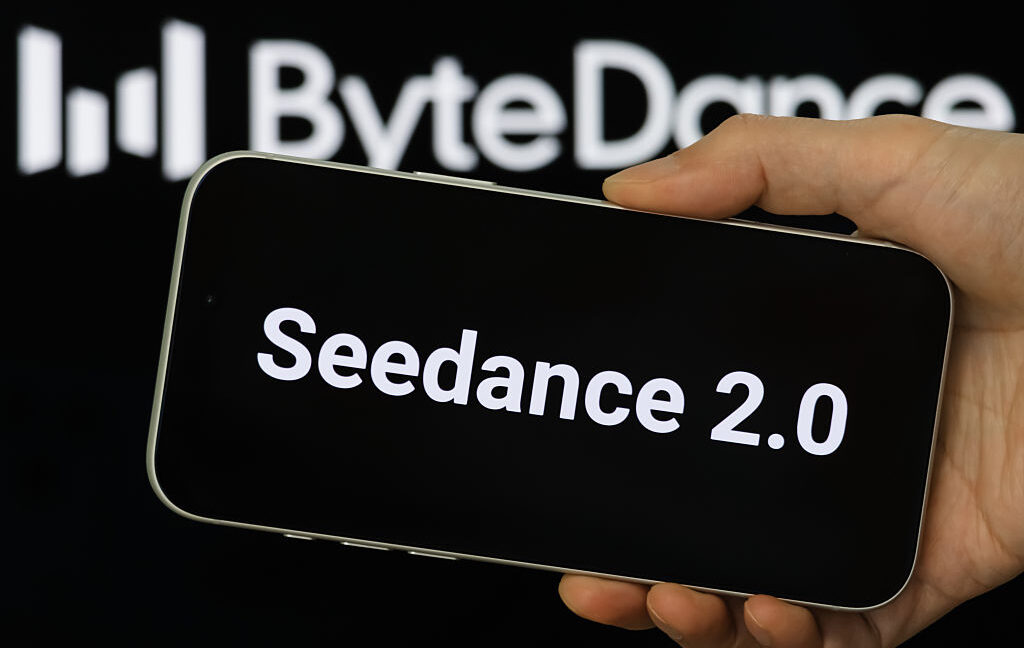
ByteDance’s Seedance 2.0 AI Video Tool Sparks Hollywood Alarm as Disney Inks OpenAI Deal
ByteDance has officially launched Seedance 2.0, its highly anticipated AI-powered video generation model, sending shockwaves through Hollywood and reigniting fierce debates over artificial intelligence’s role in creative industries. The Chinese tech giant’s latest offering promises cinematic-quality video outputs that could potentially disrupt traditional filmmaking processes, though the release has already triggered copyright concerns and existential questions about the future of human creativity in entertainment.
Hollywood Studios Mobilize Against Potential Copyright Infringement
The Motion Picture Association (MPA), representing major studios including Disney, Netflix, and Warner Bros., has been closely monitoring ByteDance’s developments with growing concern. Industry insiders report that MPA members are preparing cease-and-desist letters targeting any AI-generated content that utilizes protected intellectual property without proper licensing agreements.
MPA chairman and CEO Charles Rivkin has been particularly vocal about his organization’s stance, previously accusing ByteDance of “disregarding well-established copyright law that protects the rights of creators and underpins millions of American jobs.” The association views Seedance 2.0 as a direct threat to the carefully constructed ecosystem of content creation, distribution, and monetization that has defined Hollywood for over a century.
Sources familiar with studio legal departments indicate that cease-and-desist templates are being prepared specifically for ByteDance-related AI content, with particular attention paid to any outputs that might incorporate recognizable characters, storylines, or visual elements from copyrighted works. The MPA’s strategy appears to be preemptive containment, seeking to establish clear boundaries before Seedance 2.0 gains widespread adoption.
Disney’s Contradictory AI Strategy Revealed
In a fascinating twist that highlights the entertainment industry’s complex relationship with artificial intelligence, Disney has simultaneously positioned itself as both a potential adversary to ByteDance and an active participant in AI development. Just months before Seedance 2.0’s launch, Disney announced a landmark partnership with OpenAI, investing $1 billion in the ChatGPT creator while granting access to 200 of its most iconic characters for use in OpenAI’s Sora video generation platform.
Disney CEO Robert A. Iger framed the partnership as a “thoughtful and responsible” approach to extending storytelling capabilities through generative AI, emphasizing the company’s commitment to “respecting and protecting creators and their works.” The three-year agreement represents a calculated bet that Disney can harness AI technology while maintaining control over its intellectual property and creative direction.
Industry analysts suggest Disney’s dual approach—challenging unauthorized AI use while embracing controlled AI applications—reflects a broader strategy of establishing industry standards while securing competitive advantages. By partnering with OpenAI, Disney potentially gains preferential access to cutting-edge AI tools while positioning itself as a responsible industry leader in the responsible integration of artificial intelligence.
Seedance 2.0’s Technical Capabilities Generate Industry Buzz
ByteDance’s official announcement touted Seedance 2.0 as delivering “a substantial leap in generation quality,” particularly emphasizing improvements in close-up shots and action sequences. The company acknowledged the technology remains “far from perfect” but highlighted its “distinct cinematic aesthetic” and “high degrees of finish” in areas such as object textures, lighting, composition, costume design, makeup, and prop details.
The model’s capabilities appear to have exceeded even ByteDance’s expectations, generating significant attention within hours of its public release. Early demonstrations showcased remarkably realistic human movements, sophisticated lighting effects, and convincing environmental details that approached professional filmmaking standards.
However, the technology’s limitations remain apparent. Users report occasional inconsistencies in physics simulations, occasional facial feature distortions during complex movements, and challenges with maintaining perfect continuity across longer sequences. Despite these imperfections, the overall quality represents a significant advancement in AI video generation technology.
Hollywood Screenwriter’s Viral Reaction Sparks Existential Debate
The most dramatic response to Seedance 2.0 came from an unexpected source: Rhett Reese, co-writer of the blockbuster “Deadpool” franchise. In a now-viral social media post, Reese declared that “it’s likely over for us,” suggesting that AI video generation technology could fundamentally transform the entertainment industry’s creative landscape.
Reese’s reaction was prompted by an AI-generated video created by Irish director Ruairi Robinson, which depicted a remarkably realistic fight scene between Hollywood superstars Tom Cruise and Brad Pitt. The video’s quality—featuring convincing choreography, realistic facial expressions, and professional-grade cinematography—prompted Reese to contemplate the implications for traditional filmmaking careers.
“The rapid advancement of artificial intelligence marks an important moment for our industry,” Reese wrote, echoing sentiments that have been circulating among creative professionals for months. He speculated that “in next to no time, one person is going to be able to sit at a computer and create a movie indistinguishable from what Hollywood now releases.”
However, Reese also offered a nuanced perspective on the technology’s potential impact. While acknowledging that poorly executed AI-generated content would likely fail to resonate with audiences, he suggested that talented creators could leverage these tools to produce work of exceptional quality. “If that person possesses Christopher Nolan’s talent and taste (and someone like that will rapidly come along), it will be tremendous,” he predicted.
Industry Veterans Express Mixed Reactions
Reese’s apocalyptic assessment has sparked intense debate within Hollywood’s creative community. Veteran directors and producers have expressed both excitement about the creative possibilities and concern about the technology’s potential to devalue human artistry and craftsmanship.
Some industry veterans draw parallels to previous technological disruptions, noting that innovations like computer-generated imagery (CGI), digital editing, and streaming platforms initially faced resistance before becoming integral to modern filmmaking. Others argue that AI represents a qualitatively different challenge, potentially automating not just technical processes but creative decision-making itself.
Screenwriters, in particular, have expressed anxiety about AI’s ability to generate dialogue, plot structures, and character development. While current AI systems still struggle with nuanced storytelling and emotional authenticity, rapid improvements suggest these limitations may be temporary.
Economic Implications for the Entertainment Industry
The entertainment industry’s economic structure faces potential disruption from AI video generation technology. Traditional production costs—including location shooting, special effects, and post-production—could be dramatically reduced, potentially altering the economics of film and television production.
However, this cost reduction could also lead to market saturation, with an influx of AI-generated content potentially overwhelming audiences and making it more difficult for individual projects to stand out. The value proposition of traditional studio systems, which provide quality control, marketing expertise, and distribution networks, may need to evolve to remain relevant.
Labor unions representing actors, writers, and technical crew members have begun discussing potential responses to AI technology. The Screen Actors Guild-American Federation of Television and Radio Artists (SAG-AFTRA) has already established guidelines for AI usage in productions, while the Writers Guild of America continues to negotiate protections against AI-generated content in writer contracts.
Technical and Ethical Considerations
Beyond copyright concerns, Seedance 2.0 raises significant ethical questions about authenticity, representation, and the nature of creative work. The technology’s ability to generate realistic human performances raises concerns about consent, particularly regarding the use of actors’ likenesses without permission.
Privacy advocates worry about the potential for creating convincing fake videos of real people, while cultural critics question whether AI-generated content can truly capture the diversity and complexity of human experience. The technology also raises questions about attribution and ownership—who deserves credit for AI-generated creative works, and how should they be valued?
The Road Ahead
As Seedance 2.0 enters the market, the entertainment industry faces a critical juncture. Studios must balance the potential benefits of AI technology against the risks to their existing business models and creative ecosystems. Independent creators may find new opportunities for expression and distribution, while established industry players work to maintain their relevance in an evolving landscape.
ByteDance’s success with Seedance 2.0 could accelerate AI adoption across the entertainment industry, potentially triggering a wave of technological innovation and creative experimentation. However, the technology’s ultimate impact will likely depend on how effectively the industry can establish frameworks for responsible AI use that protect creators’ rights while enabling new forms of artistic expression.
The coming months will be crucial in determining whether AI video generation becomes a transformative tool that enhances human creativity or a disruptive force that fundamentally alters the entertainment industry’s creative and economic foundations.
Tags:
Seedance 2.0, ByteDance, AI video generation, Hollywood AI, Disney OpenAI partnership, copyright law, entertainment industry disruption, Rhett Reese, artificial intelligence filmmaking, cinematic AI, content creation technology, MPA cease and desist, generative AI video, Tom Cruise Brad Pitt AI, Christopher Nolan AI, entertainment technology revolution, AI creative tools, Hollywood future, streaming AI content, digital filmmaking innovation
Viral Sentences:
“It’s likely over for us” – Rhett Reese on AI video generation
“One person is going to be able to sit at a computer and create a movie indistinguishable from what Hollywood now releases”
“If that person possesses Christopher Nolan’s talent and taste… it will be tremendous”
“Disregarding well-established copyright law that protects the rights of creators”
“Thoughtfully and responsibly extend the reach of our storytelling through generative AI”
“Delivers a substantial leap in generation quality”
“Distinct cinematic aesthetic” with “high degrees of finish”
“Textures of objects, lighting, and composition” approaching professional standards
“Rapid advancement of artificial intelligence marks an important moment for our industry”
“$1 billion investment in OpenAI while licensing 200 characters”
“Prepared cease-and-desist letters targeting any AI-generated content”
“Existential questions about the future of human creativity in entertainment”
“Potentially automating not just technical processes but creative decision-making itself”
“Market saturation with an influx of AI-generated content”
“Fundamental alters the entertainment industry’s creative and economic foundations”
,

Leave a Reply
Want to join the discussion?Feel free to contribute!