
California’s Orange Highway Stripes Are Already Changing How You Drive
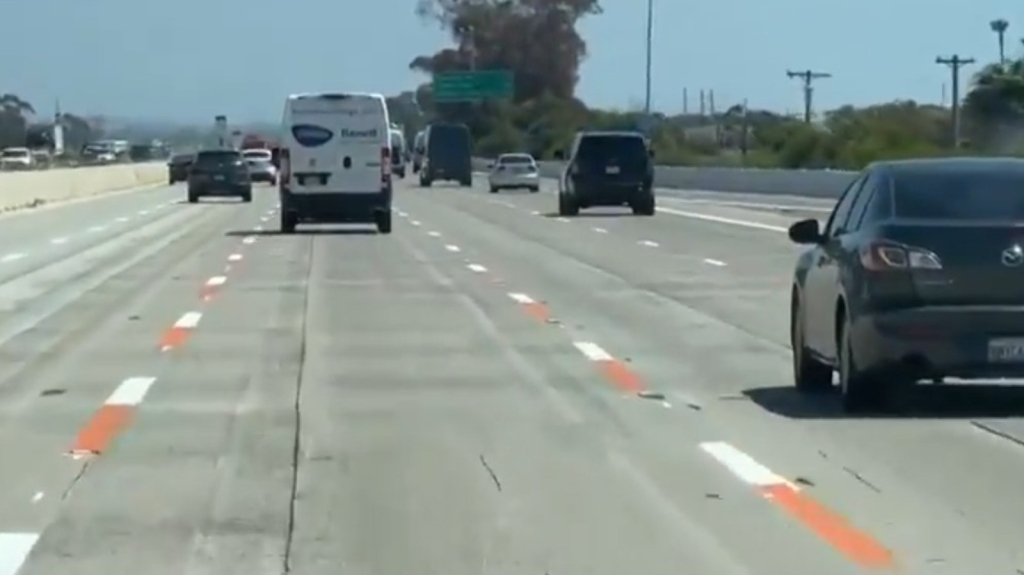
California’s Bold Move: Orange Highway Stripes Are Revolutionizing Road Safety
In a groundbreaking pilot project, California is shaking up the way drivers navigate construction zones with a striking new road marking system. Instead of the familiar white or yellow lane dividers, drivers are now seeing alternating white and bright orange stripes on the road. This bold visual change is designed to grab attention and alert motorists that they are entering a construction zone, encouraging slower and safer driving.
The initiative, launched by Caltrans and SANDAG Build NCC, is part of a growing trend among U.S. states seeking innovative solutions to reduce accidents and fatalities in work zones. These temporary orange and white stripes are only deployed when special road rules apply—such as reduced speed limits—making them a dynamic tool for enhancing road safety.
Why Orange and White? The Science Behind the Stripes
Traditional orange cones and signs have long been used to warn drivers of construction zones, but they have limitations. Cones can be knocked over, obscured by weather, or simply blend into the background at night. The new alternating orange and white stripes, however, offer several distinct advantages:
- Enhanced Visibility: The high-contrast pattern is much more noticeable, especially in low-light conditions or during adverse weather.
- Clear Boundaries: Unlike static signs, these stripes visually mark the exact start and end of construction zones, helping drivers understand where special rules apply.
- Lane Guidance: In areas where lanes shift temporarily, the stripes provide clear guidance on where to drive, reducing confusion and the risk of accidents.
Early results from the pilot project are promising. More drivers are aware when they enter a construction zone, and the color scheme—matching standard orange and white cones—helps convey the message even to those unfamiliar with the new markings.
California Isn’t the First to Try These Orange Stripes
While California’s pilot is making headlines, the state is actually following the lead of several others that have already embraced this innovative approach. Wisconsin was the pioneer, introducing orange and white stripes about a decade ago to combat the challenges of severe winters, where snow and road salt often obscured traditional markings.
Since then, other states have joined the movement:
- Kentucky (2019): Implemented the stripes in an interstate construction project.
- Texas (2020): Adopted the system to improve driver awareness.
- Michigan (2022): Rolled out the markings in select work zones.
- Washington (2023): Added the stripes to enhance safety on busy highways.
Even beyond the U.S., countries like Canada and New Zealand have successfully tested these markings, signaling a global shift toward safer construction zones.
Are the Orange Stripes Improving Safety?
Work zone crashes remain a persistent problem across the country. According to the National Work Zone Safety Clearinghouse, 2023 saw 899 fatalities from crashes in construction zones, with 40 of those being road workers. These numbers have remained stubbornly high for years, fluctuating between 700 and 1,000 deaths annually.
However, recent research offers hope. A 2023 study by Purdue University, titled “Effectiveness of Contrast Markings on Roadways and Orange Markings in Work Zones,” found that orange and white stripes significantly reduce lane-departure crashes by 74%. Drivers also reported approving of the markings and found them helpful. Additionally, the presence of orange stripes was associated with a reduction in driving speed by about four miles per hour compared to zones without the markings.
As more states adopt this system, it will be crucial to monitor crash data to determine if these early successes translate into long-term reductions in work zone fatalities.
The Future of Road Safety: Human and Autonomous Vehicles
With the rise of self-driving cars and robotaxi services, the question arises: will these high-visibility stripes also benefit autonomous systems? Companies like Waymo have faced safety recalls due to issues like illegally passing stopped school buses, highlighting the need for clearer road markings. While there is currently no data on how self-driving systems respond to temporary orange stripes, the potential for improved safety is significant.
As both human drivers and autonomous vehicles adapt to this new visual language, the hope is that orange and white stripes will become a universal standard for construction zones, making roads safer for everyone.
California #HighwaySafety #OrangeStripes #RoadConstruction #TrafficSafety #InnovativeRoadMarkings #WorkZoneSafety #AutonomousVehicles #DriverAwareness #RoadSafetyInnovation #ViralNews #TechInnovation
,


Leave a Reply
Want to join the discussion?Feel free to contribute!