
Call of Duty advert banned for trivialising sexual violence
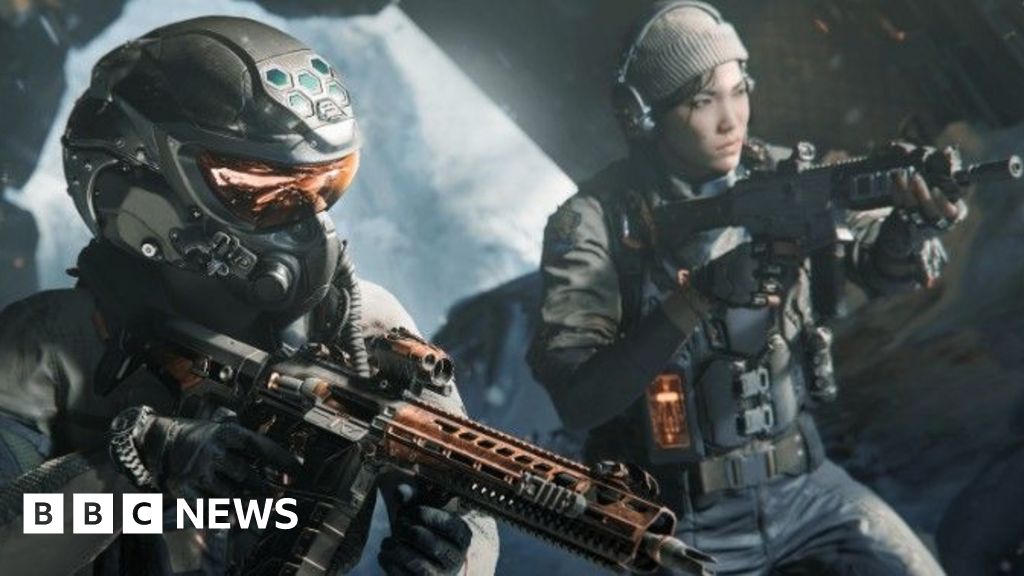
Call of Duty: Black Ops 7 Ad Sparks Controversy Despite Targeting Adult Audience
In a surprising turn of events that has sent shockwaves through the gaming community, Activision Blizzard UK Ltd has found itself at the center of a heated debate over its latest marketing campaign for the highly anticipated Call of Duty: Black Ops 7. The company recently confirmed that the controversial advertisement was explicitly designed to target an adult audience, yet the backlash has been anything but subtle.
The ad, which debuted across multiple platforms including social media, streaming services, and even prime-time television slots, features intense, graphic scenes that have raised eyebrows among both gamers and non-gamers alike. With its hyper-realistic depictions of warfare, explosive action sequences, and mature themes, the campaign has reignited discussions about the ethics of advertising violent video games in mainstream media.
The Controversy Unfolds
The controversy began when several parent advocacy groups and media watchdogs voiced concerns about the ad’s placement during family-friendly programming hours. Despite Activision’s insistence that the ad was strategically placed in time slots and on platforms frequented by adults, critics argue that the graphic nature of the content could still be inadvertently viewed by younger audiences.
Activision Blizzard UK Ltd responded swiftly to the criticism, issuing a statement that read: “The advertisement for Call of Duty: Black Ops 7 was created with a clear understanding of its intended audience. Our marketing strategy was designed to reach adults who are fans of the franchise and the first-person shooter genre. We adhere to strict guidelines to ensure that our ads are placed responsibly and in compliance with regulatory standards.”
A Closer Look at the Ad
The Black Ops 7 ad is a cinematic masterpiece in its own right, blending cutting-edge CGI with live-action footage to create a visceral experience that mirrors the intensity of the game itself. The narrative follows a group of elite soldiers as they navigate a dystopian battlefield, complete with drone strikes, hand-to-hand combat, and a hauntingly realistic portrayal of modern warfare.
While the ad has been praised for its technical brilliance and storytelling, its graphic content has left many questioning whether such a high level of realism is necessary—or appropriate—for a video game advertisement. Some have even drawn parallels to the debates surrounding violent films and their impact on society, suggesting that the gaming industry may need to adopt stricter self-regulation measures.
The Broader Implications
This controversy comes at a time when the gaming industry is under increased scrutiny for its portrayal of violence and its marketing practices. With Call of Duty being one of the most successful franchises in gaming history, the stakes are particularly high for Activision. The company’s response to this backlash could set a precedent for how other developers approach advertising in the future.
Moreover, the debate has sparked a larger conversation about the role of parental controls and media literacy in the digital age. While Activision maintains that it is not responsible for how its content is consumed, many argue that more needs to be done to protect younger audiences from exposure to mature themes.
Industry Reactions
The gaming community has been divided in its response to the controversy. Longtime Call of Duty fans have largely defended the ad, arguing that it accurately represents the tone and content of the game. On the other hand, some industry analysts have suggested that Activision may have miscalculated the public’s appetite for such intense marketing material.
Dr. Emily Carter, a media studies professor at the University of London, offered her perspective: “This situation highlights the fine line that advertisers must walk when promoting mature content. While Activision has the right to market its product to its intended audience, it must also consider the broader societal implications of its campaigns.”
What’s Next for Call of Duty: Black Ops 7?
Despite the controversy, anticipation for Black Ops 7 remains high. The game is slated for release later this year and is expected to break sales records, much like its predecessors. Activision has assured fans that the ad campaign will continue, albeit with potential adjustments to address the concerns raised.
As the debate rages on, one thing is clear: the intersection of gaming, advertising, and societal norms is becoming increasingly complex. Whether this controversy will have a lasting impact on the industry remains to be seen, but it has undoubtedly sparked a much-needed conversation about responsibility and accountability in game marketing.
Tags and Viral Phrases:
Call of Duty: Black Ops 7, Activision Blizzard, controversial ad, adult-targeted marketing, violent video game advertising, gaming industry ethics, media watchdogs, parental controls, graphic content, cinematic masterpiece, dystopian battlefield, drone strikes, hand-to-hand combat, modern warfare, media literacy, digital age, societal implications, gaming community divided, sales records, game marketing responsibility, accountability in advertising, viral gaming controversy, intense marketing material, mature themes, first-person shooter genre, regulatory standards, parent advocacy groups, media studies, University of London, Dr. Emily Carter, gaming industry scrutiny, self-regulation measures, family-friendly programming, prime-time television, social media advertising, streaming services, hyper-realistic depictions, explosive action sequences, technical brilliance, storytelling, societal norms, digital conversation, gaming history, marketing strategy, intended audience, graphic scenes, heated debate, shockwaves through gaming community, Call of Duty franchise, marketing practices, broader conversation, industry analysts, public appetite, societal implications, lasting impact, much-needed conversation.
,


Leave a Reply
Want to join the discussion?Feel free to contribute!