
Can Expensive Screen Protectors Actually Save Your Phone?
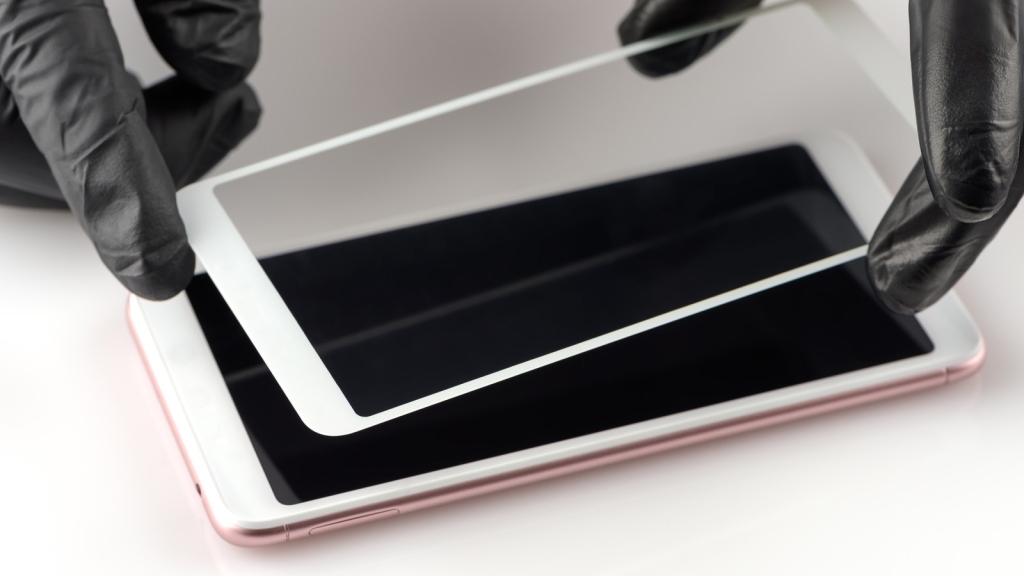
Do Expensive Screen Protectors Actually Save Your Phone? Here’s the Truth
In today’s hyper-connected world, our smartphones have become extensions of ourselves—our lifelines to work, social circles, and entertainment. With these pocket-sized supercomputers costing hundreds or even thousands of dollars, it’s no wonder we’re obsessed with keeping them pristine. Enter the screen protector: that thin layer of defense between your precious display and the cruel world. But in an era of advanced Gorilla Glass and ceramic shields, do you really need to splurge on a premium protector, or will a budget option suffice?
The Evolution of Phone Protection
Remember the early smartphone days when your brand-new iPhone would mysteriously develop scratches from keys in your pocket? Those were dark times. Screen protectors emerged as essential armor, but the game has changed dramatically. Modern smartphones feature incredibly durable displays—Corning’s latest Gorilla Glass Victus can survive drops from up to 6 feet and resist scratches from materials like steel wool. Yet even the toughest screens aren’t invincible.
The truth is, while today’s displays are remarkably resilient, they’re not scratch-proof or drop-proof. Sand, certain metals, and everyday grit can still leave their mark. This is where screen protectors still earn their keep—but the question remains: how much should you actually spend?
The Harsh Reality: All Protectors Eventually Fail
Here’s a sobering truth: whether you spend $5 or $50, your screen protector is ultimately disposable. That premium tempered glass will crack just like the budget version when your phone takes a tumble. The fundamental purpose of any screen protector is to absorb damage that would otherwise reach your actual display—and once it’s sacrificed itself, it needs replacement.
Think of it as sacrificial armor. A cheap protector might last three months before showing wear, while a premium one might survive six. But eventually, both will need replacing. This raises a legitimate question: if replacement is inevitable, why not opt for the more economical choice?
The Insurance Argument
Instead of funneling money into premium screen protection, many experts argue you’d be better served investing in proper insurance or manufacturer protection plans like AppleCare+. These services cover not just screen damage but also other potential issues—water damage, battery problems, and more. For the price of one or two premium screen protectors, you could get comprehensive coverage that actually repairs your phone rather than just adding a layer of protection.
A sturdy case is another worthy investment. While screen protectors focus solely on the display, a good case protects the entire device, including those vulnerable corners and edges where most drops occur.
When Premium Protectors Make Sense
Despite the arguments for budget options, expensive screen protectors aren’t entirely without merit. High-end models typically use superior materials with better optical clarity, more precise touch sensitivity, and enhanced impact resistance. They might feature oleophobic coatings that resist fingerprints, anti-glare properties for outdoor visibility, or even privacy filters.
The difference in protection between a $15 and $50 tempered glass protector is real but incremental. The premium version might survive one or two additional significant impacts or resist scratches from harder materials. For some users, that extra margin of safety provides genuine peace of mind—especially if you’re particularly accident-prone or work in harsh environments.
Choosing the Right Type Matters More Than Price
Before even considering cost, you need to select the appropriate type of protector for your needs:
PET Plastic Film: The most basic option, offering minimal scratch protection while maintaining excellent screen clarity and touch response. It’s essentially a sacrificial layer that prevents minor abrasions but won’t save your screen from drops.
TPU Hydrogel: A step up from PET, these flexible protectors offer better impact absorption and self-healing properties for minor scratches. They’re more durable than plastic film but still vulnerable to significant impacts.
Tempered Glass (Standard): The gold standard for most users, tempered glass provides excellent scratch resistance and can absorb moderate impacts. It feels natural to use and maintains display quality, though it can be problematic on curved screens where it might not adhere properly at the edges.
UV-Cured Tempered Glass: Designed for curved displays, these use special adhesive applied under UV light for edge-to-edge coverage. However, they’re expensive, difficult to install correctly, and the UV adhesive can potentially damage your phone if applied improperly.
Hybrid Glass: Combining materials for enhanced protection, these are ideal for users who frequently drop their phones or work in demanding environments.
Specialty Coatings: Anti-glare, matte, blue light filtering, and privacy screen protectors each serve specific purposes beyond basic protection.
The Bottom Line
For most users, a quality mid-range tempered glass protector (around $15-25) offers the best balance of protection, usability, and value. Premium options ($40+) do provide measurable benefits, but whether those benefits justify the cost depends entirely on your personal priorities and usage patterns.
If you’re someone who drops their phone daily, works in construction, or simply wants maximum protection regardless of cost, a premium protector might be worthwhile. But for the average user, you’re likely better off combining a decent screen protector with a sturdy case and comprehensive insurance.
The smartphone protection industry thrives on our fear of damage, but the reality is more nuanced. Modern phones are tougher than ever, and while screen protectors still serve a purpose, the most expensive option isn’t necessarily the smartest investment. Sometimes, the best protection is knowing when to let your phone take a minor hit to avoid the major one—and having a solid backup plan when accidents happen.
Tags
screen protector, phone protection, tempered glass, smartphone screen, Gorilla Glass, drop protection, screen damage, phone case, AppleCare, device insurance, mobile accessories, display protection, tech protection, phone accessories, gadget safety
Viral Phrases
“Is your expensive screen protector actually worth it?”, “The truth about phone screen protection revealed”, “Why you’re wasting money on premium screen protectors”, “The surprising way to really protect your $1000 phone”, “Screen protector myths debunked by tech experts”, “What they don’t tell you about phone protection”, “The $5 solution that beats $50 screen protectors”, “Your phone is tougher than you think”, “The hidden cost of being too careful with your device”, “Tech protection: where to actually spend your money”
,

Leave a Reply
Want to join the discussion?Feel free to contribute!