
Can technology fix fashion's sizing crisis?
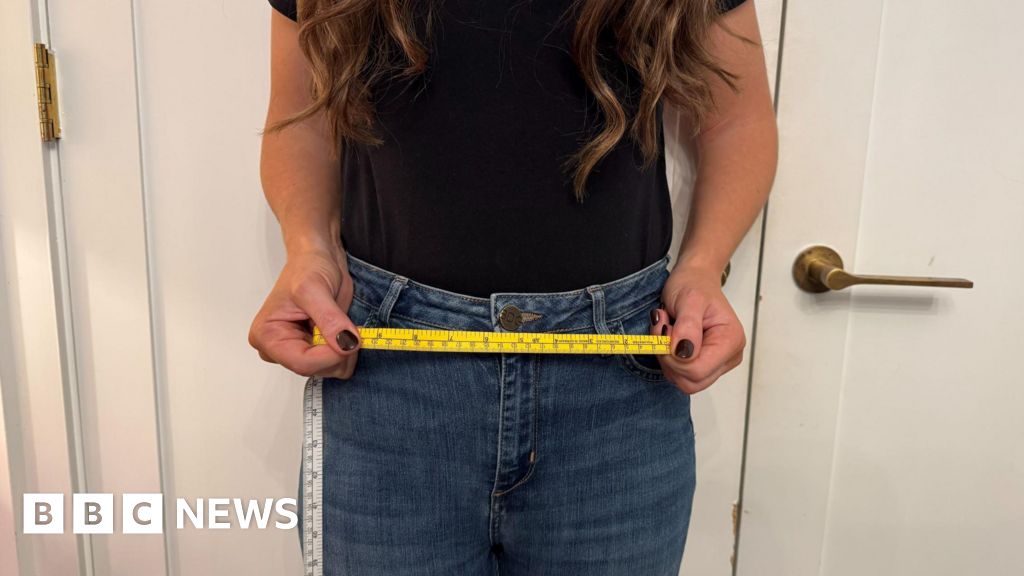
The BBC Investigates: Can Artificial Intelligence Revolutionize the Way We Shop for Clothes?
In a world where online shopping has become the norm, one persistent problem continues to frustrate consumers: the inconsistency of clothing sizes. Whether it’s a pair of jeans that fit perfectly in one brand but are comically oversized in another, or a dress that looks flawless on the model but hangs awkwardly on you, the struggle is real. Now, the BBC is delving into an intriguing question: Can artificial intelligence (AI) solve the age-old problem of oddly sized clothes?
The issue of inconsistent sizing is not new, but it has been exacerbated by the rise of e-commerce. With more people shopping online than ever before, the inability to try on clothes before purchasing has led to a surge in returns, wasted resources, and, most importantly, customer dissatisfaction. According to recent studies, nearly 70% of online shoppers have returned an item due to sizing issues, costing retailers billions of dollars annually. But what if AI could change all that?
The BBC’s investigation explores how AI is being leveraged to create a more personalized and accurate shopping experience. Companies are now using machine learning algorithms to analyze body measurements, customer preferences, and even fabric behavior to recommend the perfect fit. Some brands are even experimenting with virtual fitting rooms, where AI-powered avatars mimic your body shape to show how clothes will look and fit before you buy.
One of the most promising developments is the use of AI to create detailed body scans. By using smartphone cameras or specialized devices, consumers can now generate precise 3D models of their bodies. These models are then fed into AI systems that compare your unique measurements to a brand’s sizing chart, ensuring a more accurate fit. This technology is already being adopted by major retailers like ASOS and Amazon, who are betting big on AI to reduce returns and improve customer satisfaction.
But the potential of AI doesn’t stop there. The BBC also highlights how AI is being used to predict trends and optimize inventory. By analyzing vast amounts of data, including customer feedback, social media trends, and even weather patterns, AI can help retailers stock the right sizes and styles in the right quantities. This not only reduces waste but also ensures that customers are more likely to find what they’re looking for.
However, the road to AI-driven fashion is not without its challenges. Privacy concerns are at the forefront, as consumers may be hesitant to share their body measurements or personal data. Additionally, the technology is still in its early stages, and there are questions about its accessibility and affordability for smaller retailers. The BBC’s investigation also touches on the ethical implications of AI in fashion, such as the potential for bias in algorithms and the impact on traditional tailoring jobs.
Despite these hurdles, the potential benefits of AI in the fashion industry are undeniable. For consumers, it means fewer returns, less frustration, and a more enjoyable shopping experience. For retailers, it means reduced costs, improved efficiency, and a competitive edge in a crowded market. And for the environment, it means less waste and a more sustainable approach to fashion.
As the BBC’s investigation reveals, the integration of AI into the fashion industry is still in its infancy, but the possibilities are endless. From virtual fitting rooms to predictive analytics, AI is poised to transform the way we shop for clothes. While there are challenges to overcome, the potential for a more personalized, efficient, and sustainable fashion industry is within reach.
So, the next time you’re frustrated by a pair of jeans that don’t fit quite right, remember: AI might just be the solution you’ve been waiting for. As technology continues to evolve, the dream of a perfectly fitting wardrobe could soon become a reality.
Tags and Viral Phrases:
AI in fashion, virtual fitting rooms, body scanning technology, personalized shopping experience, reducing clothing returns, machine learning in retail, 3D body models, fashion industry innovation, sustainable fashion, predictive analytics in retail, online shopping frustrations, clothing size inconsistencies, ethical AI in fashion, privacy concerns in AI, future of retail, tech-driven fashion solutions, AI-powered avatars, body measurement technology, fashion tech trends, smart sizing solutions, retail efficiency, consumer data in fashion, AI and sustainability, fashion industry challenges, next-gen shopping experience, AI revolutionizing fashion, body positivity in tech, digital transformation in retail, fashion tech startups, AI and customer satisfaction, the future of clothing sizes, AI in e-commerce, tech-savvy fashion, AI-driven inventory optimization, fashion industry disruption, AI and body positivity, virtual try-on technology, AI in retail analytics, the end of sizing woes, AI and fashion sustainability, tech solutions for fashion, AI and consumer behavior, the rise of AI in fashion, fashion tech innovation, AI and retail trends, the future of online shopping, AI and body diversity, tech-forward fashion, AI and ethical fashion, the next wave of fashion tech.
,


Leave a Reply
Want to join the discussion?Feel free to contribute!