
Can you trust free VPNs? What you need to know, and what services to avoid
The Hidden Dangers of Free VPNs: Are You Really Protected?
In an era where digital privacy is under constant threat, Virtual Private Networks (VPNs) have become essential tools for millions of users worldwide. However, the rise of free VPN services has introduced a new set of risks that many users are unaware of. While these services promise anonymity and security without cost, the reality is often far more complicated—and potentially dangerous.
Why VPNs Are Under Scrutiny
Governments and regulatory bodies have long targeted VPNs due to their ability to encrypt communications, mask IP addresses, and bypass censorship. These features make VPNs invaluable for businesses and individuals seeking privacy, but they also make them controversial in regions with strict internet controls. Despite attempts to regulate or ban VPNs, their importance in maintaining digital rights has kept them alive.
The Appeal of Free VPNs
Free VPNs have surged in popularity, particularly as governments impose stricter online controls. For example, Iranians have turned to VPNs to circumvent internet blackouts, while Australians are adopting them in response to new age verification laws for online content. Financial pressures and the desire to avoid subscription fees have also driven users toward free options.
However, experts warn that the true cost of free VPNs often comes in the form of data exploitation. “People download free VPNs to protect their privacy, not realizing they may be handing it over entirely,” said Marijus Briedis, CTO at NordVPN. “There is hardly such a thing as a free VPN service.”
The Hidden Costs of Free VPNs
While free VPNs don’t charge money upfront, they often monetize user data in other ways. Here’s how:
- Data Collection: Many free VPNs collect and sell user data to third parties to fund their operations.
- Malware Risks: Some free VPNs bundle malicious software, such as spyware or ransomware, into their apps.
- Weak Security: Without adequate funding, free VPNs may fail to patch vulnerabilities or use strong encryption.
- Misleading Claims: Research has found that hundreds of free VPNs offer “no real privacy at all,” with issues like poor encryption and intrusive tracking.
Aaron Engel, chief information security officer at ExpressVPN, emphasized the importance of transparency. “A privacy policy alone isn’t enough—users should look for providers whose claims are backed by independent, third-party security audits.”
Trusted Free and Affordable VPN Options
If you’re looking for a free VPN, it’s crucial to choose one backed by paying subscribers to ensure better security and privacy. Here are some trusted options:
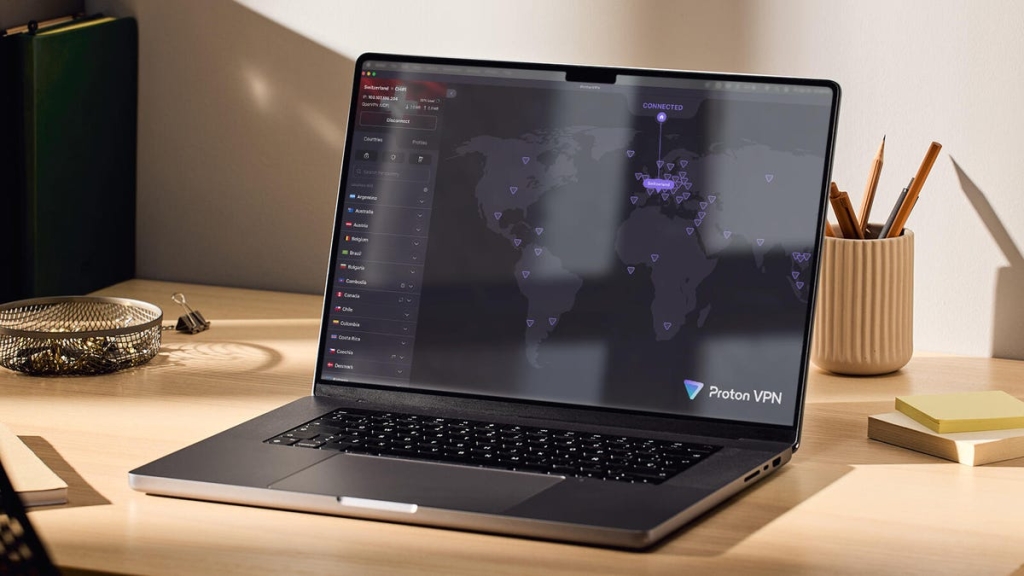
- Proton VPN: Offers unlimited data, one device connection, and access to 10 countries.
- Windscribe: Provides unlimited device connections and 2GB–10GB of data per month.
- Hotspot Shield: Fast and reliable, with up to 15GB of data per month, though it includes ads.
For those willing to pay a small fee, affordable premium VPNs like Surfshark ($1.99/month), Privado VPN ($1.11/month), and Private Internet Access ($2.03/month) offer robust features and better protection.
Conclusion
While free VPNs can be tempting, they often come with hidden risks that compromise your privacy and security. If you value your digital safety, it’s worth investing in a trusted VPN service or carefully vetting any free option you choose. Remember, when it comes to online privacy, you truly get what you pay for.
Tags: VPN, cybersecurity, privacy, free VPN, online security, data protection, encryption, malware, internet freedom, digital rights, Proton VPN, Windscribe, Hotspot Shield, Surfshark, Privado VPN, Private Internet Access
Viral Phrases:
- “There is hardly such a thing as a free VPN service.”
- “People download free VPNs to protect their privacy, not realizing they may be handing it over entirely.”
- “When it comes to online privacy, you truly get what you pay for.”
- “Hundreds of free VPNs offer ‘no real privacy at all,’ researchers warn.”
- “Your data is valuable currency—free VPNs may collect, share, and sell it to third parties.”
,

Leave a Reply
Want to join the discussion?Feel free to contribute!