
Canonical Talks Up RISC-V This Year With Ubuntu 26.04 LTS
Canonical Doubles Down on RISC-V: Ubuntu 26.04 LTS Poised to Power the Next Wave of Open Hardware Innovation
Canonical, the company behind the world’s most popular Linux distribution, is making bold moves in the RISC-V ecosystem as it positions Ubuntu 26.04 LTS to become the definitive platform for the emerging open architecture. With 2025 focused on laying the groundwork, 2026 is shaping up to be the year RISC-V transitions from experimental to enterprise-ready.
The RVA23 Shift: A Strategic Foundation for Growth
Earlier this year, Canonical made a pivotal decision to standardize Ubuntu’s RISC-V support around the RVA23 profile. This move, initially seen as limiting since it effectively restricted support to QEMU emulation environments, was actually a calculated step toward future-proofing Ubuntu’s RISC-V strategy. By aligning with RVA23—the most mature and widely adopted RISC-V profile—Canonical ensured that when hardware finally caught up, Ubuntu would be ready to deliver a seamless, production-grade experience.
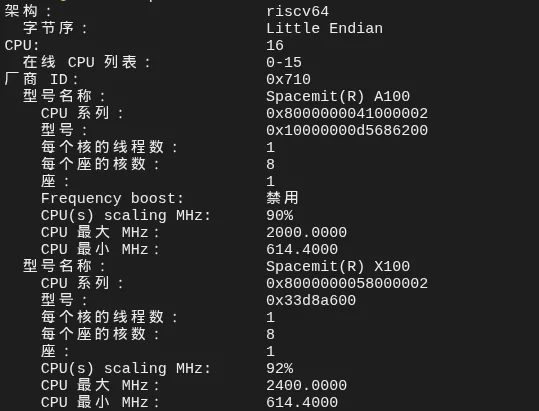
That hardware is now arriving. The SpacemiT K3, announced earlier this year, marks one of the first commercially viable RVA23-compliant RISC-V System-on-Chips (SoCs) hitting the market. With more RVA23 silicon expected throughout 2026, Canonical’s timing appears impeccable.
Ubuntu 26.04 LTS: The Long-Term Foundation for RISC-V Commercialization
Canonical has explicitly positioned Ubuntu 26.04 LTS as the cornerstone release for RISC-V’s commercial breakthrough. As an LTS (Long-Term Support) release, it will provide five years of guaranteed updates and security patches—critical for enterprise adoption and industrial applications where stability trumps bleeding-edge features.
The company’s roadmap for 2026 reveals an ambitious multi-pronged strategy:
Deepening Hardware Partnerships
Canonical isn’t just waiting for hardware vendors to come knocking—they’re actively onboarding a broader range of RISC-V silicon partners. This collaborative approach ensures that Ubuntu will support the next generation of RISC-V platforms from day one, rather than playing catch-up after hardware launches.
Closing the Product Parity Gap
Currently, some of Canonical’s extensive portfolio of cloud-native tools, IoT products, and enterprise solutions aren’t fully optimized for RISC-V. The company has committed to ensuring that everything from Kubernetes deployments to snap packages runs as seamlessly on RISC-V as it does on x86 or ARM architectures.
Developer Experience as a Priority
Canonical recognizes that RISC-V’s success hinges on developer adoption. By partnering with Single Board Computer (SBC) manufacturers, they’re working to make Ubuntu the go-to platform for RISC-V development, offering an “amazing out-of-the-box experience” that lowers the barrier to entry for programmers exploring the architecture.
The Bigger Picture: Openness, Choice, and Long-Term Innovation
RISC-V’s fundamental promise has always been about breaking the proprietary stranglehold on processor architectures. By offering a fully open instruction set architecture (ISA), RISC-V enables anyone—from hobbyists to multinational corporations—to design, manufacture, and customize processors without licensing fees or NDAs.
Canonical sees itself as more than just a software vendor in this ecosystem. Their self-described role as “builder, collaborator, and steward” reflects a commitment to the long-term health of RISC-V, not just short-term profits. This includes maintaining leadership in standards alignment and upstream enablement, ensuring that new silicon capabilities are immediately accessible to the open-source community.
The Commercial Breakthrough Looms
The transition from “labs and pilots to commercial products” represents a critical inflection point for RISC-V. While the architecture has seen success in microcontrollers and specialized applications, 2026 could mark its arrival as a viable alternative for general-purpose computing across cloud, edge, and potentially even client devices.
With Ubuntu 26.04 LTS providing a stable, enterprise-ready foundation, RISC-V vendors can now confidently move from proof-of-concept demonstrations to shipping actual products. This creates a virtuous cycle: more products drive more software support, which in turn attracts more hardware developers.
What This Means for the Industry
For enterprises considering RISC-V adoption, Canonical’s commitment provides a crucial safety net. The combination of LTS support, broad hardware partnerships, and comprehensive software optimization means organizations can adopt RISC-V without worrying about vendor lock-in or limited software ecosystems.
For the open-source community, this represents another victory in the ongoing push for technology independence. RISC-V, backed by a major Linux distribution, offers a path away from the duopoly of x86 and ARM, particularly in scenarios where customization, transparency, or cost structures make those architectures less appealing.
Looking Ahead
As 2026 approaches, all eyes will be on how quickly RVA23 hardware proliferates and how effectively Canonical delivers on its ambitious roadmap. If successful, Ubuntu 26.04 LTS could be remembered as the release that helped RISC-V cross the chasm from niche curiosity to mainstream computing platform.
The pieces are aligning: compliant hardware is arriving, software support is solidifying, and a major industry player is betting big on open architecture. The RISC-V revolution, long promised, may finally be ready for prime time—with Ubuntu leading the charge.
RISC-V Ubuntu 26.04 LTS RVA23 open hardware Linux Canonical SpacemiT K3 SoC architecture innovation enterprise computing cloud edge IoT developer experience open-source standards alignment hardware partnerships commercial breakthrough processor architecture technology independence Linux distribution long-term support software optimization vendor lock-in technology ecosystem hardware vendors silicon partners customization transparency cost structures general-purpose computing SBC manufacturers proof-of-concept demonstrations industry adoption software support hardware developers technology revolution mainstream computing platform
,

Leave a Reply
Want to join the discussion?Feel free to contribute!