
Caribbean cannabis growers eye budding domestic sales and exports
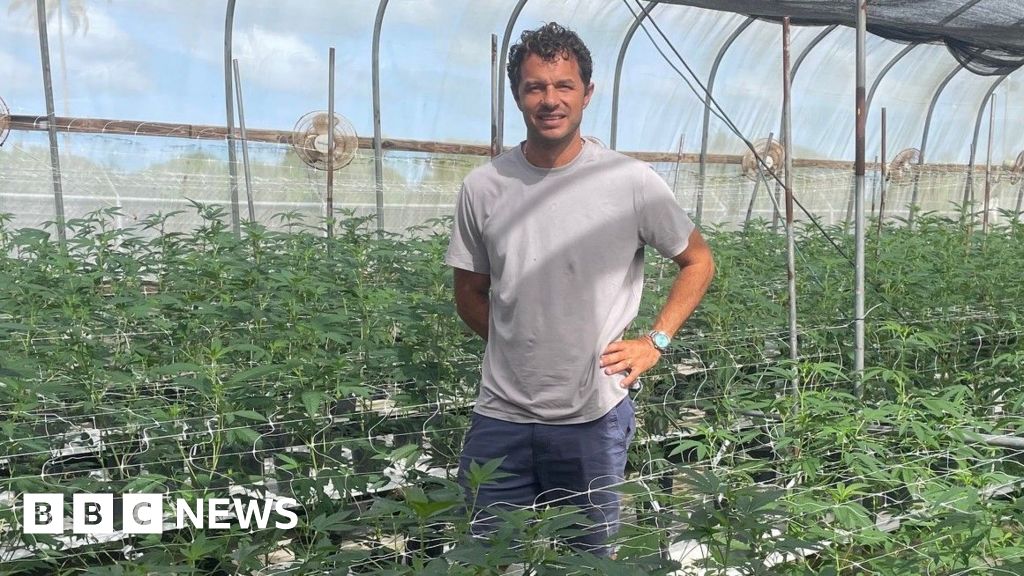
Jamaican and Antiguan Producers Bet on Liberalization to Unlock New Revenue Streams
Jamaica and Antigua and Barbuda, two of the Caribbean’s most dynamic economies, are witnessing a growing optimism among local producers who believe that increased market liberalization could significantly boost their revenue potential. From agriculture and manufacturing to creative industries and technology, stakeholders across both islands are eyeing policy reforms and regional integration as catalysts for economic expansion.
The Push for Liberalization
Liberalization—the process of reducing government restrictions and opening markets to greater competition—has long been a topic of debate in the Caribbean. For producers in Jamaica and Antigua, however, the conversation has shifted from theory to tangible opportunity. Recent policy shifts, including Jamaica’s continued efforts to streamline trade regulations and Antigua’s push to modernize its investment climate, have created a more favorable environment for business growth.
Industry leaders argue that reducing trade barriers, simplifying customs procedures, and fostering regional cooperation through frameworks like the Caribbean Community (CARICOM) could unlock new markets and attract foreign investment. “The more we open up, the more we can compete globally,” said a representative from Jamaica’s Manufacturing Association. “Liberalization isn’t just about removing restrictions—it’s about creating opportunities for innovation and scalability.”
Agriculture: A Sector Ripe for Growth
In Jamaica, agriculture remains a cornerstone of the economy, and producers are particularly hopeful that liberalization will enhance their access to regional and international markets. The island’s renowned Blue Mountain coffee, for instance, could benefit from reduced export tariffs and streamlined logistics, making it more competitive in global markets. Similarly, Antigua’s agricultural sector, which focuses on niche products like black pineapple and sea island cotton, sees liberalization as a pathway to increased demand and higher prices.
However, challenges remain. Small-scale farmers in both countries often lack the resources to meet international standards or scale up production. Advocates for liberalization argue that targeted support—such as subsidies for technology adoption or training programs—could help bridge this gap. “We need to ensure that liberalization benefits everyone, not just large corporations,” noted an Antiguan agricultural expert.
Manufacturing and Creative Industries: Diversifying the Economy
Beyond agriculture, Jamaica and Antigua are looking to diversify their economies through manufacturing and creative industries. Jamaica’s music and film sectors, for example, have already gained international acclaim, but producers believe that further liberalization could amplify their reach. Simplified visa processes for international collaborations and reduced taxes on equipment imports are among the reforms being championed.
Antigua, meanwhile, is leveraging its status as a hub for online gaming and financial services. The island’s producers in these sectors are optimistic that liberalization will attract more international clients and investors. “We have the infrastructure and talent; what we need now is the policy framework to support growth,” said a spokesperson for Antigua’s Technology Association.
Technology and Innovation: The Next Frontier
The technology sector is emerging as a key driver of economic growth in both Jamaica and Antigua. With a young, tech-savvy population and improving digital infrastructure, the islands are well-positioned to capitalize on the global shift toward digital economies. Producers in Jamaica’s burgeoning fintech and software development industries, for instance, are calling for greater liberalization to facilitate cross-border partnerships and access to venture capital.
Antigua, too, is making strides in technology, with initiatives like its citizenship-by-investment program attracting high-net-worth individuals and entrepreneurs. Producers in the island’s tech ecosystem hope that further liberalization will enable them to scale their operations and compete on a global stage.
Challenges and Opportunities
While the prospects of liberalization are promising, producers in Jamaica and Antigua are acutely aware of the challenges. Infrastructure deficits, limited access to capital, and the need for skilled labor are among the hurdles that must be addressed. Additionally, there are concerns about the potential for increased competition to disadvantage smaller players.
To mitigate these risks, stakeholders are advocating for a balanced approach to liberalization—one that prioritizes inclusivity and sustainability. This includes investing in education and training, improving digital and physical infrastructure, and fostering public-private partnerships.
A Regional Perspective
The push for liberalization in Jamaica and Antigua is part of a broader trend across the Caribbean. Regional organizations like CARICOM and the Organization of Eastern Caribbean States (OECS) are working to harmonize policies and create a more integrated market. For producers, this means greater opportunities for collaboration and access to a larger customer base.
However, progress has been uneven, with some countries moving faster than others. Jamaica and Antigua, as relatively stable and open economies, are well-positioned to lead the way. “If we can get liberalization right, the entire region stands to benefit,” said a CARICOM official.
Looking Ahead
As Jamaica and Antigua continue to navigate the complexities of liberalization, the optimism among producers remains high. From agriculture to technology, the potential for growth is vast, but so too are the challenges. Success will depend on the ability of policymakers, industry leaders, and communities to work together to create an environment that fosters innovation, inclusivity, and resilience.
For now, producers in both islands are doubling down on their efforts to advocate for reforms and position themselves for success in an increasingly interconnected world. “The future is bright,” said a Jamaican manufacturer. “We just need to seize the opportunities that liberalization brings.”
Tags and Viral Phrases:
Caribbean liberalization, Jamaica economic growth, Antigua producers, market reforms, regional integration, CARICOM opportunities, agriculture exports, Blue Mountain coffee, tech innovation Caribbean, fintech Jamaica, creative industries, manufacturing diversification, investment climate, digital economy, small-scale farmers, global competition, policy reforms, economic resilience, cross-border partnerships, venture capital access, skilled labor development, public-private partnerships, sustainable growth, inclusive liberalization, regional cooperation, economic expansion, market opportunities, trade barriers, customs procedures, foreign investment, infrastructure development, education and training, digital infrastructure, high-net-worth individuals, citizenship-by-investment, technology sector growth, software development, online gaming, financial services, economic diversification, policy framework, scalability, innovation opportunities, global markets, export tariffs, logistics efficiency, niche products, sea island cotton, black pineapple, music industry, film sector, visa processes, equipment imports, tech ecosystem, global stage, balanced approach, inclusivity, sustainability, harmonized policies, integrated market, stable economies, interconnected world, seizing opportunities.
,


Leave a Reply
Want to join the discussion?Feel free to contribute!