
CBP Signs Clearview AI Deal to Use Face Recognition for ‘Tactical Targeting’
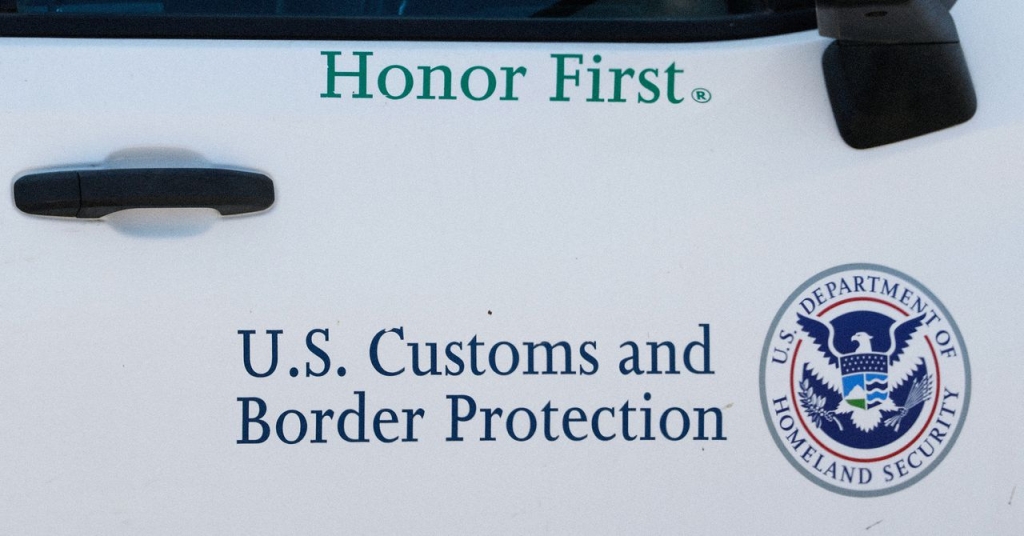
CBP Expands Surveillance Arsenal with $225K Clearview AI Contract Amid Growing Privacy Concerns
In a move that has reignited debates over privacy, surveillance, and the unchecked use of artificial intelligence, U.S. Customs and Border Protection (CBP) has inked a $225,000 deal to access Clearview AI’s controversial facial recognition technology. This one-year contract, revealed through procurement documents, will grant CBP’s intelligence division and the National Targeting Center access to a database of over 60 billion publicly scraped images from the internet.
Clearview AI, a company that has become synonymous with privacy controversies, uses advanced algorithms to match uploaded photos against its vast repository of images harvested from social media platforms, websites, and other online sources. The technology is designed to identify individuals by comparing their facial features to this massive database, raising significant ethical and legal questions about consent, data ownership, and the potential for misuse.
What Does This Mean for CBP Operations?
The contract specifies that Clearview AI will be used for “tactical targeting” and “strategic counter-network analysis,” suggesting that the tool will be integrated into the daily operations of CBP analysts rather than reserved for isolated investigations. This integration marks a significant escalation in the agency’s surveillance capabilities, allowing it to map connections between individuals and identify potential security threats more efficiently.
CBP’s intelligence units already draw from a variety of sources, including commercially available tools and publicly available data, to support national security and immigration operations. The addition of Clearview AI’s technology could further enhance their ability to identify and track individuals, but it also raises concerns about the potential for overreach and the erosion of civil liberties.
Privacy Concerns and Legal Challenges
The use of Clearview AI by federal agencies has been a contentious issue for years. The company’s business model, which relies on scraping images from the internet without the knowledge or consent of the individuals depicted, has drawn criticism from privacy advocates, lawmakers, and even some tech companies. In 2020, Clearview AI faced lawsuits from multiple states and advocacy groups, accusing it of violating privacy laws and engaging in deceptive practices.
The recent contract with CBP comes at a time when the Department of Homeland Security (DHS) is under intense scrutiny for its use of facial recognition technology. Civil liberties groups and lawmakers have raised concerns about the lack of transparency, oversight, and safeguards surrounding these tools. Last week, Senator Ed Markey introduced legislation that would prohibit Immigration and Customs Enforcement (ICE) and CBP from using facial recognition technology altogether, citing the risks of biometric surveillance being deployed without clear limits or public consent.
The Role of AI in Border Security
The Clearview AI contract is part of a broader trend of increasing reliance on artificial intelligence in border security and immigration enforcement. CBP’s recently released artificial intelligence inventory includes a pilot project initiated in October 2025, linking Clearview AI to the agency’s Traveler Verification System. This system conducts face comparisons at ports of entry and other border-related screenings, raising questions about the extent to which AI is being used to monitor and control the movement of people.
While CBP claims that the Traveler Verification System does not use information from “commercial sources or publicly available data,” it is more likely that Clearview AI access would be tied to the agency’s Automated Targeting System. This system links biometric galleries, watch lists, and enforcement records, including files tied to recent ICE operations in areas far from the border.
The Limitations of Facial Recognition Technology
Despite the promise of advanced technology, facial recognition systems are not without their flaws. Recent testing by the National Institute of Standards and Technology (NIST) found that while these systems can perform well on high-quality images, they struggle with less controlled settings. Images captured at border crossings, for example, often produce error rates exceeding 20%, even with the most accurate algorithms.
NIST also highlighted a fundamental limitation of facial recognition technology: reducing false matches often increases the risk of failing to recognize the correct person. As a result, agencies may operate these systems in an “investigative” setting, returning a ranked list of candidates for human review rather than a single confirmed match. However, when systems are configured to always return candidates, searches for individuals not already in the database will still generate “matches” for review, which will always be 100% wrong.
The Future of Surveillance and Privacy
The CBP’s decision to expand its use of Clearview AI underscores the growing role of surveillance technology in government operations. As agencies continue to adopt these tools, the need for robust oversight, transparency, and accountability becomes increasingly urgent. Without clear limits and safeguards, the use of facial recognition technology risks undermining civil liberties and eroding public trust.
For now, the debate over the ethical and legal implications of Clearview AI and similar technologies is far from over. As more details about the CBP contract emerge, it is likely to face further scrutiny from lawmakers, advocacy groups, and the public. The question remains: how much surveillance is too much, and who gets to decide?
Tags: #CBP #ClearviewAI #FacialRecognition #Privacy #Surveillance #ArtificialIntelligence #BorderSecurity #CivilLiberties #DataPrivacy #BiometricSurveillance #DHS #ImmigrationEnforcement #TechNews #ControversialTech #GovernmentSurveillance
Viral Sentences:
- “CBP’s $225K Clearview AI deal sparks outrage over privacy invasion.”
- “60 billion scraped images: The shocking scale of Clearview AI’s database.”
- “Facial recognition tech fails 20% of the time—yet CBP doubles down.”
- “Senator Markey moves to ban facial recognition in immigration enforcement.”
- “Clearview AI: The company that harvests your selfies without consent.”
- “AI at the border: How surveillance tech is reshaping national security.”
- “The ethical dilemma of using scraped data for government surveillance.”
- “Why facial recognition tech is a double-edged sword for law enforcement.”
- “The rise of AI-powered surveillance: A threat to civil liberties?”
- “CBP’s new tool: Can it identify you from a single photo?”
,

Leave a Reply
Want to join the discussion?Feel free to contribute!