
Changes to Amazon Wish Lists Could Reveal Your Home Address to Strangers
Amazon’s Wish List Privacy Shake-Up: Why Your Home Address Could Be Exposed to Strangers—and How to Protect Yourself Before March 25
In a move that’s sending shockwaves through the creator and online community spaces, Amazon has announced a controversial change to its Wish List feature that could inadvertently expose your home address to complete strangers. The e-commerce giant is removing a critical privacy safeguard, and unless users act fast, their personal information could be just a click away from being leaked online.
The Privacy Flaw Nobody Saw Coming
For years, Amazon’s Wish List has been a trusted tool for everything from baby registries to creator gift-giving. The feature allowed users to share their desired items with friends, family, or fans without revealing their actual shipping address. This worked because Amazon blocked purchases from third-party sellers on shared lists, ensuring that only Amazon itself handled the shipping and kept addresses confidential.
But that’s all about to change. Starting March 25, 2026, Amazon will remove the option to restrict purchases from third-party sellers on Wish Lists. This means that when someone buys an item from your list, the third-party seller will receive your full delivery address—and here’s the kicker—so will the buyer.
Why This Matters More Than You Think
At first glance, sharing your address with a seller might not seem like a big deal. After all, they need it to ship the item, right? But the real danger lies in what happens next. According to reports from 404 Media, buyers may see your address in shipping updates and tracking information they receive during the delivery process. This opens the door to potential doxxing—a malicious practice where someone’s personal information is publicly exposed online.
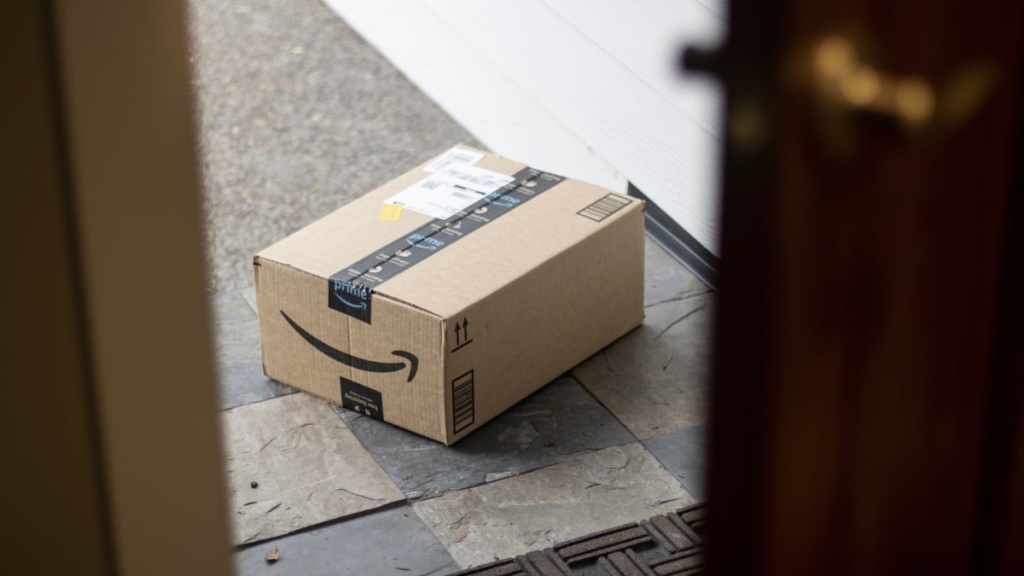
Even more concerning, delivery personnel might take photos of packages to confirm delivery. These photos could inadvertently capture your home, driveway, or front door, giving away even more personal details than you ever intended to share.
Amazon’s Response: A Half-Measure Solution
In an email to Wish List users, Amazon acknowledged the privacy risks but stopped short of reversing the policy. Instead, the company recommended that users switch to P.O. boxes or non-residential addresses for any lists shared with public audiences. While this advice is sound, it’s not a viable option for everyone—especially those who don’t have access to a P.O. box or prefer to keep their Wish Lists private.
How to Protect Yourself Before It’s Too Late
If you’re one of the millions of users who rely on Amazon’s Wish List, here’s what you need to do to safeguard your privacy:
-
Update Your Address: Head to your Wish List settings and change your shipping address to a P.O. box or non-residential address. If you don’t have access to either, consider making your list private or sharing it only with trusted individuals.
-
Review Your Lists: Take a moment to audit all your Wish Lists. If you have any that are public or shared with a wide audience, consider whether you’re comfortable with the new privacy risks.
-
Stay Informed: Keep an eye on your email for updates from Amazon, and be proactive about adjusting your settings before the March 25 deadline.
The Bigger Picture: Privacy in the Age of E-Commerce
This controversy highlights a growing tension between convenience and privacy in the digital age. As e-commerce platforms like Amazon continue to expand their reach, they’re also grappling with how to balance user experience with data protection. For creators, small businesses, and everyday users, these changes serve as a stark reminder that even trusted platforms can make decisions that compromise our privacy.
What Creators and Communities Are Saying
The news has sparked outrage among online creators, many of whom rely on Wish Lists as a way to connect with their fans. “This is a huge step backward for privacy,” said one creator who wished to remain anonymous. “I’ve always felt safe using Amazon’s Wish List, but now I’m worried about my personal information being exposed.”
Others have pointed out that the change could disproportionately affect marginalized communities, who may already face heightened risks of harassment or doxxing online.
The Bottom Line
Amazon’s Wish List changes are a wake-up call for anyone who values their privacy online. While the company has provided a workaround, it’s far from a perfect solution. As the March 25 deadline approaches, it’s crucial for users to take action to protect themselves—and to hold Amazon accountable for prioritizing convenience over privacy.
In the meantime, this controversy serves as a reminder to always stay vigilant about your personal information online. Whether it’s updating your settings, using a P.O. box, or simply being mindful of what you share, taking proactive steps can make all the difference in safeguarding your privacy in an increasingly connected world.
Tags & Viral Phrases:
Amazon Wish List privacy breach
Amazon doxxing risk
Amazon third-party seller changes
Amazon March 25 deadline
Amazon Wish List address leak
Protect your privacy on Amazon
Amazon Wish List settings update
Amazon P.O. box recommendation
Amazon Wish List controversy
Amazon privacy policy changes
Amazon Wish List security risk
Amazon Wish List address exposure
Amazon Wish List privacy tips
Amazon Wish List address protection
Amazon Wish List privacy warning
Amazon Wish List address safety
Amazon Wish List privacy guide
Amazon Wish List address leak prevention
Amazon Wish List privacy concerns
Amazon Wish List address security
,


Leave a Reply
Want to join the discussion?Feel free to contribute!