
Charter gets FCC permission to buy Cox and become largest ISP in the US
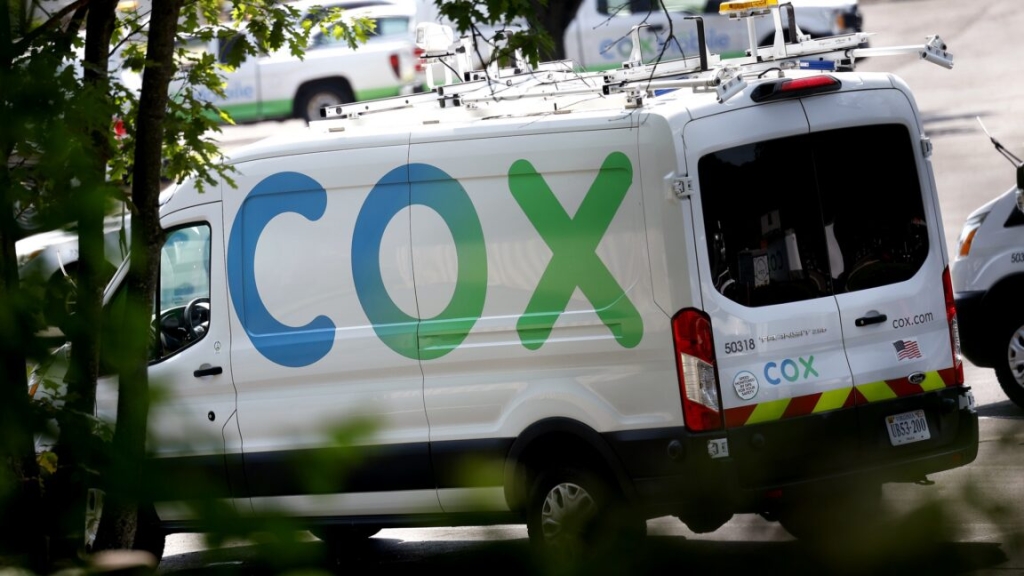
Charter and Cox Merger Approved: FCC Decision Sparks Debate Over Broadband Competition and Consumer Impact
In a move that has sent ripples through the telecommunications industry, the Federal Communications Commission (FCC) has officially approved the $34.5 billion merger between Charter Communications and Cox Communications. The decision, announced by FCC Chair Brendan Carr, has ignited a fierce debate over the future of broadband competition in the United States, with critics warning of higher prices and reduced choices for consumers.
The merger, which will consolidate two of the largest cable providers in the country, has been a contentious issue for months. Consumer advocacy groups, industry analysts, and even some state regulators have raised concerns about the potential for reduced competition in the broadband market. The FCC’s approval, however, signals a shift in the agency’s approach to regulating the telecom sector under the leadership of Chair Carr.
The FCC’s Rationale: A New Era of Competition?
In its decision, the FCC argued that the merger would not harm competition, citing the growing presence of alternative broadband providers such as fixed wireless and satellite internet services. Chair Carr emphasized that these technologies are increasingly capable of providing high-speed internet access, effectively acting as a check on the power of traditional cable companies.
“The FCC’s approval of the Charter-Cox merger reflects a modern understanding of the broadband landscape,” Carr said in a statement. “With the rise of fixed wireless and satellite providers, consumers have more choices than ever before, ensuring that competition remains robust.”
However, this reasoning has been met with skepticism from consumer advocacy groups and industry experts. They argue that while alternative providers are growing, they still cannot match the speed, reliability, and coverage offered by traditional cable networks. In many rural and underserved areas, cable remains the only viable option for high-speed internet.
Overlapping Footprints: A Closer Look at the Data
One of the most contentious issues surrounding the merger is the extent to which Charter and Cox compete directly in certain markets. According to data submitted by the California Public Utilities Commission’s Public Advocates Office, the two companies have overlapping service areas in thousands of locations, particularly in California.
The Public Advocates Office’s protest, filed in September 2025, highlighted that Charter and Cox have 25,503 overlapping locations in California alone. In 16,485 of these locations (65%), the two companies are the only providers offering speeds of at least 1,000 Mbps download. If the merger is approved, these areas would be left with only a single provider for high-speed service, effectively eliminating competition.
“This consolidation would significantly expand Charter’s monopoly power in the high-speed fixed broadband market,” the Public Advocates Office warned. “Consumers in these areas will have no meaningful choice between providers, leading to higher prices and potentially lower service quality.”
A Stark Contrast to 2016: The Evolution of FCC Policy
The FCC’s decision to approve the Charter-Cox merger without imposing significant conditions marks a departure from its approach in 2016, when it approved Charter’s acquisition of Time Warner Cable. At that time, the FCC imposed strict conditions on data caps, usage-based pricing, and paid interconnection, aiming to protect consumers from potential abuses of market power.
John Bergmayer, Legal Director at Public Knowledge, criticized the FCC’s current approach, arguing that it fails to address the same concerns that were deemed critical just a few years ago. “In 2016, the commission approved Charter’s acquisition of Time Warner Cable only after imposing conditions on data caps, usage-based pricing, and paid interconnection,” Bergmayer said. “Today’s order finds those concerns no longer apply, largely because the agency credits fixed wireless and satellite as competitive constraints on cable.”
Bergmayer also pointed out that the FCC did not impose any affordability conditions, despite doing so in previous mergers involving Charter, Comcast-NBCU, and Verizon-TracFone. “The record does not support this outcome,” he added.
The Broader Implications: What This Means for Consumers
The approval of the Charter-Cox merger raises important questions about the future of broadband competition in the United States. As the telecom industry continues to consolidate, consumers in many areas may find themselves with fewer choices and higher prices. This is particularly concerning in regions where cable companies are the only providers of high-speed internet.
The FCC’s decision also highlights the growing importance of alternative broadband technologies, such as fixed wireless and satellite. While these technologies offer promise, they are not yet a complete substitute for traditional cable networks, particularly in terms of speed and reliability. As such, the merger could have significant implications for consumers, particularly those in rural and underserved areas.
Looking Ahead: The Road to Implementation
With the FCC’s approval in hand, Charter and Cox are now free to move forward with their merger. However, the deal is not without its challenges. State regulators, particularly in California, may still seek to impose their own conditions or even block the merger altogether. Additionally, consumer advocacy groups are likely to continue their efforts to challenge the decision in court.
As the telecom industry evolves, the Charter-Cox merger serves as a reminder of the complex interplay between competition, regulation, and consumer interests. While the FCC’s decision reflects a new era of competition, it also underscores the need for ongoing vigilance to ensure that consumers are protected in an increasingly consolidated market.
Tags:
Charter Communications, Cox Communications, FCC, broadband competition, telecom merger, internet service providers, consumer advocacy, fixed wireless, satellite internet, California Public Utilities Commission, Public Knowledge, Brendan Carr, broadband monopoly, high-speed internet, data caps, usage-based pricing, paid interconnection, telecom regulation, consumer protection, rural broadband, underserved areas, telecom industry consolidation, broadband market, internet access, FCC approval, telecom policy, consumer choice, internet pricing, broadband alternatives, telecom oversight, broadband infrastructure, internet service competition, consumer rights, telecom mergers, broadband affordability, internet service regulation, telecom industry trends, broadband technology, consumer impact, telecom market dynamics, internet service quality, broadband service providers, telecom industry analysis, consumer advocacy groups, broadband market competition, internet service affordability, telecom industry challenges, broadband service options, consumer interests, telecom industry future, broadband service expansion, internet service innovation, telecom industry regulation, broadband service accessibility, consumer advocacy efforts, telecom industry developments, broadband service reliability, internet service market, telecom industry oversight, broadband service coverage, consumer advocacy impact, telecom industry consolidation effects, broadband service competition, internet service market dynamics, telecom industry trends analysis, broadband service quality assurance, consumer advocacy influence, telecom industry policy changes, broadband service market trends, internet service market competition, telecom industry regulatory changes, broadband service market analysis, consumer advocacy policy impact, telecom industry market dynamics, broadband service market competition, internet service market trends, telecom industry market analysis, broadband service market trends analysis, consumer advocacy market influence, telecom industry market policy changes, broadband service market policy changes, internet service market policy changes, telecom industry market policy analysis, broadband service market policy analysis, consumer advocacy market policy impact, telecom industry market policy influence, broadband service market policy influence, internet service market policy influence, telecom industry market policy trends, broadband service market policy trends, consumer advocacy market policy trends, telecom industry market policy future, broadband service market policy future, internet service market policy future, telecom industry market policy evolution, broadband service market policy evolution, consumer advocacy market policy evolution, telecom industry market policy development, broadband service market policy development, internet service market policy development, telecom industry market policy innovation, broadband service market policy innovation, consumer advocacy market policy innovation, telecom industry market policy challenges, broadband service market policy challenges, internet service market policy challenges, telecom industry market policy solutions, broadband service market policy solutions, consumer advocacy market policy solutions, telecom industry market policy opportunities, broadband service market policy opportunities, internet service market policy opportunities, telecom industry market policy risks, broadband service market policy risks, consumer advocacy market policy risks, telecom industry market policy benefits, broadband service market policy benefits, internet service market policy benefits, telecom industry market policy drawbacks, broadband service market policy drawbacks, consumer advocacy market policy drawbacks, telecom industry market policy advantages, broadband service market policy advantages, internet service market policy advantages, telecom industry market policy disadvantages, broadband service market policy disadvantages, consumer advocacy market policy disadvantages, telecom industry market policy pros, broadband service market policy pros, internet service market policy pros, telecom industry market policy cons, broadband service market policy cons, consumer advocacy market policy cons, telecom industry market policy strengths, broadband service market policy strengths, internet service market policy strengths, telecom industry market policy weaknesses, broadband service market policy weaknesses, consumer advocacy market policy weaknesses, telecom industry market policy opportunities and threats, broadband service market policy opportunities and threats, internet service market policy opportunities and threats, telecom industry market policy strengths and weaknesses, broadband service market policy strengths and weaknesses, consumer advocacy market policy strengths and weaknesses, telecom industry market policy opportunities and challenges, broadband service market policy opportunities and challenges, internet service market policy opportunities and challenges, telecom industry market policy strengths and challenges, broadband service market policy strengths and challenges, consumer advocacy market policy strengths and challenges, telecom industry market policy opportunities and risks, broadband service market policy opportunities and risks, internet service market policy opportunities and risks, telecom industry market policy strengths and risks, broadband service market policy strengths and risks, consumer advocacy market policy strengths and risks, telecom industry market policy opportunities and benefits, broadband service market policy opportunities and benefits, internet service market policy opportunities and benefits, telecom industry market policy strengths and benefits, broadband service market policy strengths and benefits, consumer advocacy market policy strengths and benefits, telecom industry market policy opportunities and drawbacks, broadband service market policy opportunities and drawbacks, internet service market policy opportunities and drawbacks, telecom industry market policy strengths and drawbacks, broadband service market policy strengths and drawbacks, consumer advocacy market policy strengths and drawbacks, telecom industry market policy opportunities and advantages, broadband service market policy opportunities and advantages, internet service market policy opportunities and advantages, telecom industry market policy strengths and advantages, broadband service market policy strengths and advantages, consumer advocacy market policy strengths and advantages, telecom industry market policy opportunities and disadvantages, broadband service market policy opportunities and disadvantages, internet service market policy opportunities and disadvantages, telecom industry market policy strengths and disadvantages, broadband service market policy strengths and disadvantages, consumer advocacy market policy strengths and disadvantages, telecom industry market policy opportunities and pros, broadband service market policy opportunities and pros, internet service market policy opportunities and pros, telecom industry market policy strengths and pros, broadband service market policy strengths and pros, consumer advocacy market policy strengths and pros, telecom industry market policy opportunities and cons, broadband service market policy opportunities and cons, internet service market policy opportunities and cons, telecom industry market policy strengths and cons, broadband service market policy strengths and cons, consumer advocacy market policy strengths and cons, telecom industry market policy opportunities and strengths, broadband service market policy opportunities and strengths, internet service market policy opportunities and strengths, telecom industry market policy strengths and strengths, broadband service market policy strengths and strengths, consumer advocacy market policy strengths and strengths, telecom industry market policy opportunities and weaknesses, broadband service market policy opportunities and weaknesses, internet service market policy opportunities and weaknesses, telecom industry market policy strengths and weaknesses, broadband service market policy strengths and weaknesses, consumer advocacy market policy strengths and weaknesses, telecom industry market policy opportunities and opportunities, broadband service market policy opportunities and opportunities, internet service market policy opportunities and opportunities, telecom industry market policy strengths and opportunities, broadband service market policy strengths and opportunities, consumer advocacy market policy strengths and opportunities, telecom industry market policy opportunities and threats, broadband service market policy opportunities and threats, internet service market policy opportunities and threats, telecom industry market policy strengths and threats, broadband service market policy strengths and threats, consumer advocacy market policy strengths and threats, telecom industry market policy opportunities and challenges, broadband service market policy opportunities and challenges, internet service market policy opportunities and challenges, telecom industry market policy strengths and challenges, broadband service market policy strengths and challenges, consumer advocacy market policy strengths and challenges, telecom industry market policy opportunities and risks, broadband service market policy opportunities and risks, internet service market policy opportunities and risks, telecom industry market policy strengths and risks, broadband service market policy strengths and risks, consumer advocacy market policy strengths and risks, telecom industry market policy opportunities and benefits, broadband service market policy opportunities and benefits, internet service market policy opportunities and benefits, telecom industry market policy strengths and benefits, broadband service market policy strengths and benefits, consumer advocacy market policy strengths and benefits, telecom industry market policy opportunities and drawbacks, broadband service market policy opportunities and drawbacks, internet service market policy opportunities and drawbacks, telecom industry market policy strengths and drawbacks, broadband service market policy strengths and drawbacks, consumer advocacy market policy strengths and drawbacks, telecom industry market policy opportunities and advantages, broadband service market policy opportunities and advantages, internet service market policy opportunities and advantages, telecom industry market policy strengths and advantages, broadband service market policy strengths and advantages, consumer advocacy market policy strengths and advantages, telecom industry market policy opportunities and disadvantages, broadband service market policy opportunities and disadvantages, internet service market policy opportunities and disadvantages, telecom industry market policy strengths and disadvantages, broadband service market policy strengths and disadvantages, consumer advocacy market policy strengths and disadvantages, telecom industry market policy opportunities and pros, broadband service market policy opportunities and pros, internet service market policy opportunities and pros, telecom industry market policy strengths and pros, broadband service market policy strengths and pros, consumer advocacy market policy strengths and pros, telecom industry market policy opportunities and cons, broadband service market policy opportunities and cons, internet service market policy opportunities and cons, telecom industry market policy strengths and cons, broadband service market policy strengths and cons, consumer advocacy market policy strengths and cons, telecom industry market policy opportunities and strengths, broadband service market policy opportunities and strengths, internet service market policy opportunities and strengths, telecom industry market policy strengths and strengths, broadband service market policy strengths and strengths, consumer advocacy market policy strengths and strengths, telecom industry market policy opportunities and weaknesses, broadband service market policy opportunities and weaknesses, internet service market policy opportunities and weaknesses, telecom industry market policy strengths and weaknesses, broadband service market policy strengths and weaknesses, consumer advocacy market policy strengths and weaknesses, telecom industry market policy opportunities and opportunities, broadband service market policy opportunities and opportunities, internet service market policy opportunities and opportunities, telecom industry market policy strengths and opportunities, broadband service market policy strengths and opportunities, consumer advocacy market policy strengths and opportunities, telecom industry market policy opportunities and threats, broadband service market policy opportunities and threats, internet service market policy opportunities and threats, telecom industry market policy strengths and threats, broadband service market policy strengths and threats, consumer advocacy market policy strengths and threats, telecom industry market policy opportunities and challenges, broadband service market policy opportunities and challenges, internet service market policy opportunities and challenges, telecom industry market policy strengths and challenges, broadband service market policy strengths and challenges, consumer advocacy market policy strengths and challenges, telecom industry market policy opportunities and risks, broadband service market policy opportunities and risks, internet service market policy opportunities and risks, telecom industry market policy strengths and risks, broadband service market policy strengths and risks, consumer advocacy market policy strengths and risks, telecom industry market policy opportunities and benefits, broadband service market policy opportunities and benefits, internet service market policy opportunities and benefits, telecom industry market policy strengths and benefits, broadband service market policy strengths and benefits, consumer advocacy market policy strengths and benefits, telecom industry market policy opportunities and drawbacks, broadband service market policy opportunities and drawbacks, internet service market policy opportunities and drawbacks, telecom industry market policy strengths and drawbacks, broadband service market policy strengths and drawbacks, consumer advocacy market policy strengths and drawbacks, telecom industry market policy opportunities and advantages, broadband service market policy opportunities and advantages, internet service market policy opportunities and advantages, telecom industry market policy strengths and advantages, broadband service market policy strengths and advantages, consumer advocacy market policy strengths and advantages, telecom industry market policy opportunities and disadvantages, broadband service market policy opportunities and disadvantages, internet service market policy opportunities and disadvantages, telecom industry market policy strengths and disadvantages, broadband service market policy strengths and disadvantages, consumer advocacy market policy strengths and disadvantages, telecom industry market policy opportunities and pros, broadband service market policy opportunities and pros, internet service market policy opportunities and pros, telecom industry market policy strengths and pros, broadband service market policy strengths and pros, consumer advocacy market policy strengths and pros, telecom industry market policy opportunities and cons, broadband service market policy opportunities and cons, internet service market policy opportunities and cons, telecom industry market policy strengths and cons, broadband service market policy strengths and cons, consumer advocacy market policy strengths and cons.
,


Leave a Reply
Want to join the discussion?Feel free to contribute!