
Cheaper MacBook with iPhone chip still expected in early 2026
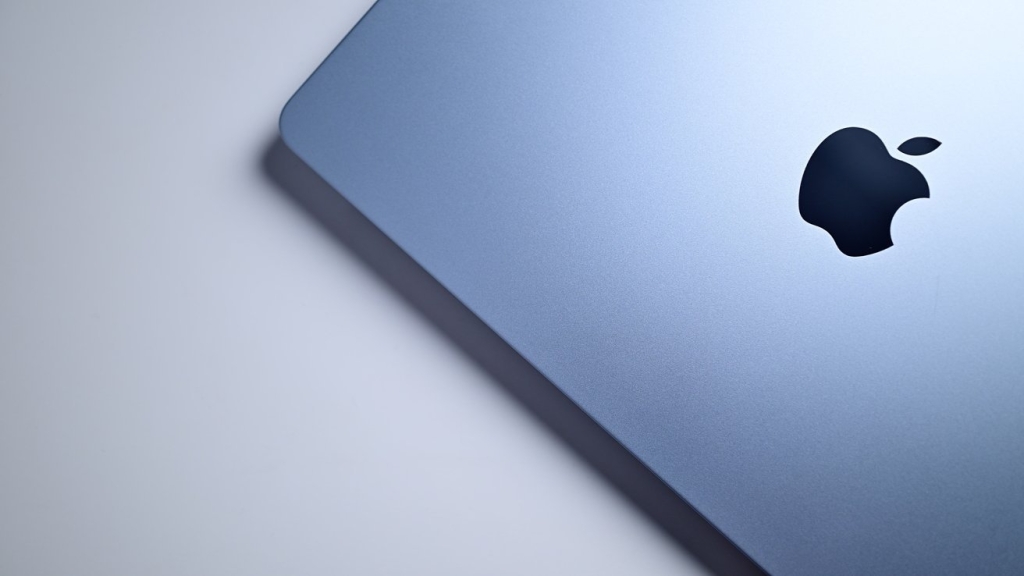
Apple’s Budget MacBook: The Long-Awaited iPhone-Powered Laptop Set to Disrupt the Market in Early 2026
After years of speculation and countless rumors circulating through tech circles, Apple’s much-anticipated budget MacBook appears to be on the final stretch toward reality. According to the latest reports from Bloomberg’s Mark Gurman, the tech giant is preparing to launch a more affordable MacBook variant in the first half of 2026, positioning it as a direct competitor to the dominant Chromebook market.
The Evolution of Apple’s Budget Strategy
The concept of a budget MacBook has been floating around the rumor mill for several years now. What makes this latest iteration particularly intriguing is Apple’s reported decision to power it with an iPhone chip rather than their traditional M-series processors. This strategic pivot represents a significant departure from Apple’s premium positioning and suggests the company is ready to seriously contend in the budget laptop segment.
Industry analysts have long speculated that Apple’s hesitation to enter the budget market stemmed from concerns about diluting their premium brand image. However, with Chromebook market share continuing to grow, particularly in education and enterprise sectors, Apple appears to have recognized the need to offer a more accessible entry point to their ecosystem.
Technical Specifications and Design Philosophy
While concrete details remain scarce, sources familiar with Apple’s plans indicate that the budget MacBook will feature a custom-designed chip derived from their iPhone architecture. This approach makes sense from multiple angles—iPhone chips are already optimized for efficiency, have proven track records in mobile devices, and could potentially offer better battery life than traditional laptop processors.
The decision to use iPhone silicon rather than M-series chips also aligns with Apple’s broader strategy of silicon unification across their product lineup. By leveraging technology already developed for their mobile devices, Apple can potentially reduce production costs while maintaining the tight integration between hardware and software that their devices are known for.
Design-wise, the budget MacBook is expected to adopt a more minimalist approach compared to the MacBook Air. Reports suggest it may feature a plastic chassis instead of aluminum, fewer ports, and a lower-resolution display. However, Apple is likely to maintain their signature attention to detail, ensuring that even their most affordable laptop meets certain quality standards.
Market Positioning and Competitive Landscape
The timing of this launch is particularly strategic. Chromebooks have dominated the budget laptop market for years, especially in education where their low cost, ease of management, and integration with Google’s suite of productivity tools have made them the go-to choice for schools and universities.
Apple’s entry into this space could significantly disrupt the status quo. The company’s strong brand recognition, robust ecosystem, and reputation for build quality could make their budget offering particularly attractive to consumers who might otherwise have settled for a Chromebook.
Moreover, Apple’s focus on privacy and security could be a major selling point in an era where data protection is increasingly important to consumers. While Chromebooks have made strides in security, Apple’s hardware-level security features and commitment to user privacy could provide a compelling differentiator.
Production and Supply Chain Considerations
According to recent reports, Apple has begun preparations for mass production of the budget MacBook. This suggests that the project has moved beyond the conceptual stage and is now in active development. The company’s supply chain partners have reportedly been briefed on the specifications and timeline, indicating that Apple is confident enough in the project to begin scaling up production.
The use of iPhone chips could also help Apple navigate current semiconductor shortages more effectively. By utilizing components from an existing product line, they may be able to secure more reliable supply chains and potentially reduce production costs.
Ecosystem Integration and Software Strategy
One of Apple’s greatest strengths lies in its ecosystem integration. The budget MacBook is expected to run a variant of macOS optimized for the iPhone chip architecture, potentially offering unique features that leverage Apple’s unified platform strategy.
Users could benefit from seamless integration with their iPhones, iPads, and other Apple devices, including features like Handoff, Universal Clipboard, and AirDrop. This ecosystem lock-in could be particularly appealing to existing Apple users looking for an affordable way to expand their device collection.
Pricing Strategy and Market Expectations
While Apple has not officially announced pricing, industry analysts estimate that the budget MacBook could start at around $599-$699, positioning it slightly above the typical Chromebook price point but well below the current MacBook Air starting price of $999.
This pricing strategy would allow Apple to maintain their premium positioning while offering a more accessible entry point. It also suggests that Apple views this product as a way to attract new customers to their ecosystem rather than cannibalizing sales of their higher-end laptops.
Potential Challenges and Risks
Despite the promising outlook, Apple faces several challenges in bringing this product to market. The company will need to carefully balance cost-cutting measures with maintaining the quality standards their brand is known for. There’s also the risk that a budget MacBook could cannibalize sales of their more expensive models if not positioned correctly.
Additionally, Apple will need to ensure that the iPhone chip provides adequate performance for typical laptop tasks. While these chips have proven capable in mobile devices, running a full desktop operating system presents different challenges that will need to be addressed.
The Broader Implications for Apple’s Strategy
The launch of a budget MacBook represents a significant shift in Apple’s market approach. Historically, the company has focused on the premium segment, leaving budget-conscious consumers to competitors. This move suggests that Apple recognizes the need to expand their addressable market, particularly in sectors like education where Chromebooks currently dominate.
It also indicates that Apple’s silicon strategy is maturing to the point where they can confidently use iPhone-derived chips in laptop form factors. This could open up new possibilities for product differentiation and market segmentation in the future.
Tags & Viral Phrases:
- iPhone-powered MacBook
- Budget Apple laptop
- Chromebook killer
- Apple’s education strategy
- Silicon unification
- Ecosystem expansion
- Privacy-focused computing
- Supply chain innovation
- Premium brand disruption
- Market share battle
- Tech industry shakeup
- Affordable Apple ecosystem
- Semiconductor strategy
- Product lineup evolution
- Competitive positioning
- Consumer electronics revolution
- Brand accessibility
- Innovation at every price point
- The future of personal computing
- Apple’s bold market move
,

Leave a Reply
Want to join the discussion?Feel free to contribute!