
China to release country’s first national standard for EV solid-state batteries in July · TechNode
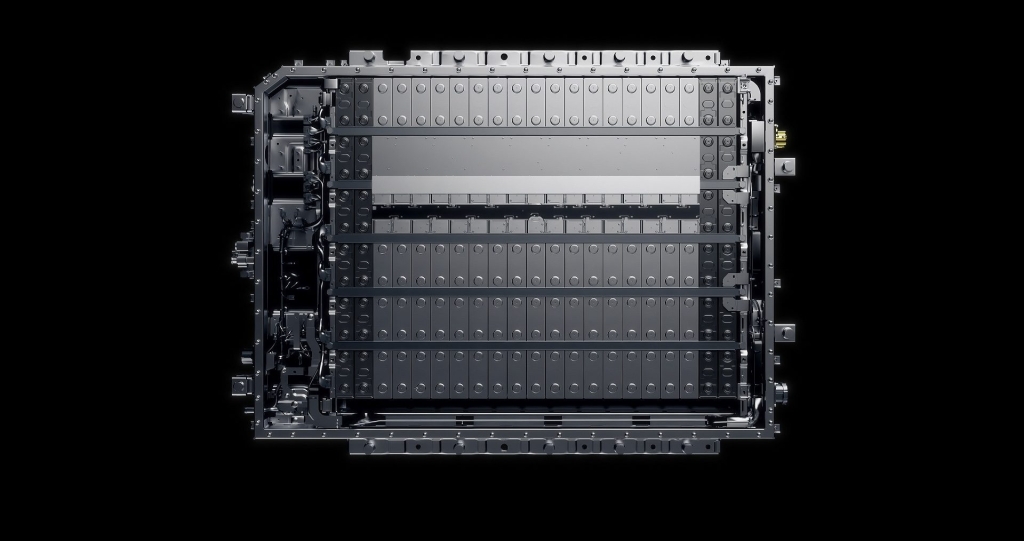
China Sets July 2026 Deadline for First National Standard on Solid-State Batteries, Aiming to Clear Confusion and Accelerate Commercialisation
In a strategic push to dominate the next generation of electric vehicle (EV) power systems, China is preparing to unveil its first national standard for solid-state batteries, a technology widely regarded as the holy grail of energy storage. The standard, titled Solid-State Batteries for Electric Vehicles — Part 1: Terminologies and Classification, is slated for release in July 2026, with a draft having been finalised in December 2025 following a period of public consultation.
This initiative comes as the global EV industry races to overcome the limitations of conventional lithium-ion batteries—namely, limited energy density, safety concerns, and slower charging times. Solid-state batteries promise to address these issues by replacing the liquid electrolyte found in traditional batteries with a solid material, potentially offering higher energy density, faster charging, improved safety, and longer lifespans.
However, the path to commercialisation has been hampered by inconsistent terminology and classification across the industry. Different manufacturers and research institutions have used varying definitions for what constitutes a “solid-state battery,” leading to market confusion and slowing the pace of development. China’s new standard seeks to bring clarity by establishing clear definitions for key terms such as liquid batteries, hybrid solid-liquid (also known as semi-solid-state) batteries, and all-solid-state batteries.
By creating a unified framework, the standard is expected to streamline communication across the supply chain, from raw material suppliers to automakers and end-users. This clarity will not only reduce misunderstandings but also foster greater collaboration among stakeholders, enabling more efficient progress from laboratory breakthroughs to mass production.
China’s move is part of a broader strategy to secure leadership in next-generation battery technologies. The country is already the world’s largest producer and consumer of EVs, and it is investing heavily in research and development to maintain its competitive edge. The new standard will provide a clear roadmap for domestic companies, helping them align their R&D efforts with national objectives and international best practices.
Industry experts believe that this standardisation effort could act as a catalyst for the commercialisation of solid-state batteries. By reducing ambiguity and setting clear benchmarks, the standard will make it easier for companies to secure investment, navigate regulatory approvals, and bring products to market. This, in turn, could accelerate the timeline for solid-state batteries to become a viable alternative to current lithium-ion technology.
The initiative also reflects China’s commitment to shaping global standards in emerging technologies. As the world’s largest automotive market and a leader in battery production, China’s standards often influence international norms. By setting the bar early, the country positions itself to guide the development of solid-state battery technology on a global scale.
While the standard focuses on terminology and classification for now, it is expected to be the first in a series of regulations covering performance, safety, and testing protocols for solid-state batteries. Future iterations may address technical specifications, manufacturing processes, and recycling standards, further solidifying China’s leadership in the sector.
As the July 2026 deadline approaches, all eyes will be on China’s battery industry to see how this new standard shapes the future of electric mobility. With the promise of safer, more efficient, and longer-lasting batteries, the stakes are high—not just for China, but for the global push toward sustainable transportation.
For now, the message is clear: China is laying the groundwork to lead the solid-state battery revolution, and the world is watching closely.
solid-state batteries, China EV, battery standardisation, next-gen batteries, electric vehicle technology, solid electrolyte, semi-solid-state batteries, all-solid-state batteries, battery commercialisation, energy density, EV safety, charging speed, lithium-ion alternatives, automotive innovation, battery supply chain, China tech policy, global battery standards, sustainable transportation, battery R&D, EV market leadership, battery terminology, battery classification, battery manufacturing, EV adoption, battery performance, battery safety protocols, battery recycling, China battery industry, battery technology roadmap, EV future, battery investment, battery testing standards, battery manufacturing processes, battery terminology confusion, battery industry collaboration, battery technology breakthroughs, EV battery lifespan, battery energy storage, battery innovation, battery market trends, battery technology development, battery commercialisation challenges, battery industry standards, battery technology leadership, EV battery technology, battery technology evolution, battery industry future, battery technology adoption, battery technology impact, battery technology progress, battery technology revolution
,


Leave a Reply
Want to join the discussion?Feel free to contribute!